
Smart Motorways Explained: Safety, Risks & New Tech Requirements

4
Smart motorways have become one of the most widely discussed road technologies in the UK and beyond. Designed to ease congestion and improve traffic flow, they use digital signs, sensors, variable speed limits, and active lane management to adapt to real-time road conditions.
But while smart motorways promise smoother journeys and fewer delays, they’ve also sparked concerns around safety—particularly regarding the use of “all-lane running” (no hard shoulder) and how quickly vehicles in distress can be detected.
At RoadTechHub, we break down the facts, the risks, the technology behind smart motorways, and what the future holds as governments revisit their design and safety requirements.
What Exactly Are Smart Motorways?
Smart motorways are upgraded motorways that use digital technology to manage traffic flow more intelligently than traditional roads.
They rely on:
- Variable speed limits
- Dynamic lane closures
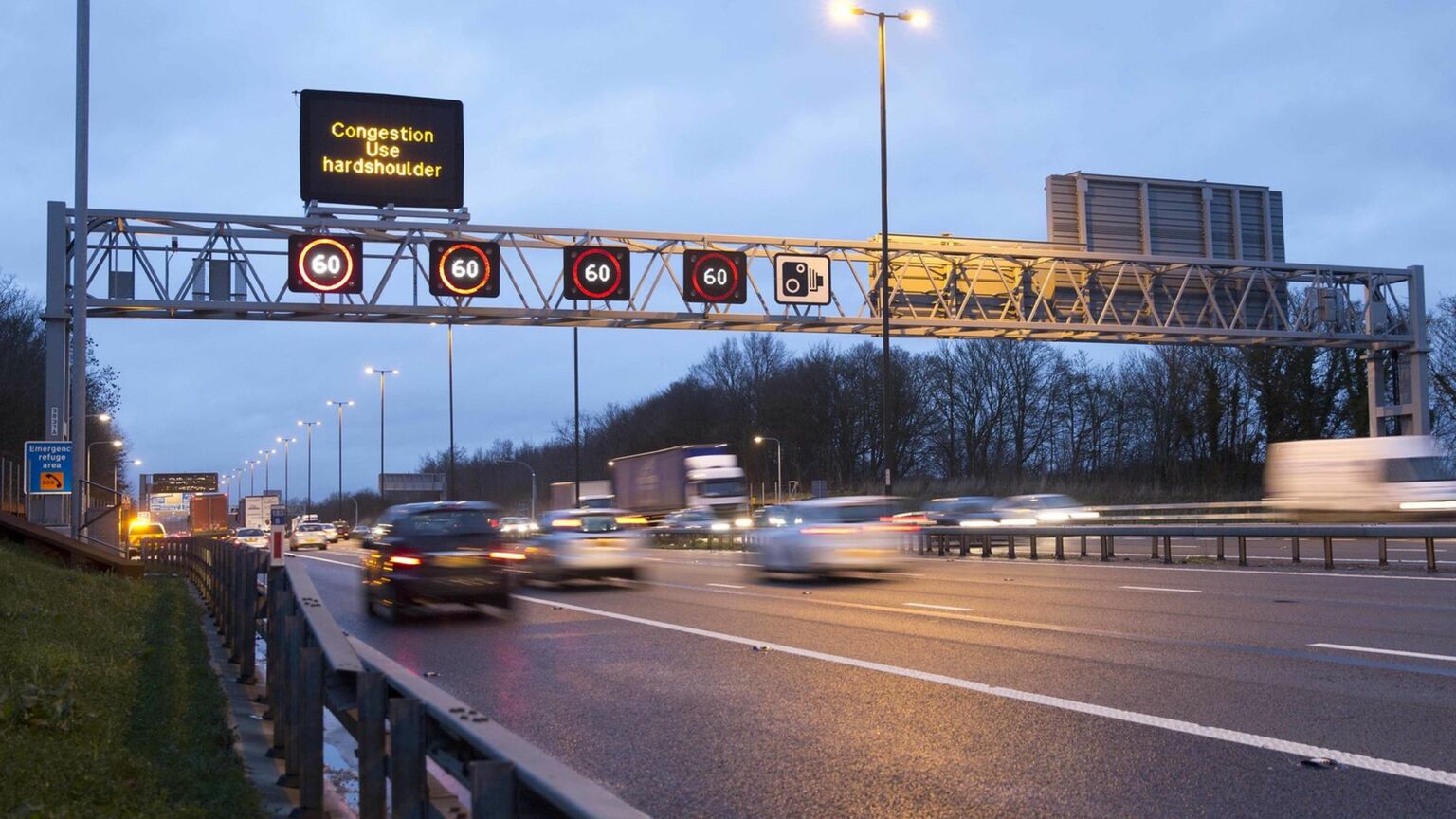
- Overhead gantries with real-time updates
- CCTV and radar detection
- Emergency refuge areas (ERAs)
- Automatic monitoring for breakdowns and stopped vehicles


The idea is simple: keep traffic moving smoothly, reduce stop-start congestion, and improve safety by preventing sudden braking.
Types of Smart Motorways
There are three primary categories:
1. Controlled Motorways
These keep the hard shoulder but have variable speed limits shown on overhead signs.
2. Dynamic Hard Shoulder Motorways
The hard shoulder can be temporarily opened as an extra lane during peak hours. Overhead gantries tell drivers when it’s available.
3. All-Lane Running (ALR) Motorways
The hard shoulder becomes a permanent driving lane, with Emergency Refuge Areas spaced at intervals. This is the most controversial version.
Why Smart Motorways Were Created
Smart motorways were introduced to:
- Reduce congestion without widening roads
- Cut journey times
- Improve traffic flow
- Avoid large-scale construction costs
- Reduce environmental impact compared to adding new lanes
In theory, using AI-driven systems and dynamic speed control should lead to steadier, safer travel. But real-world results have been mixed, leading to nationwide debate.
How Smart Motorway Technology Works
The modern smart motorway uses a network of sensors, cameras, and control centres to monitor every metre of road.

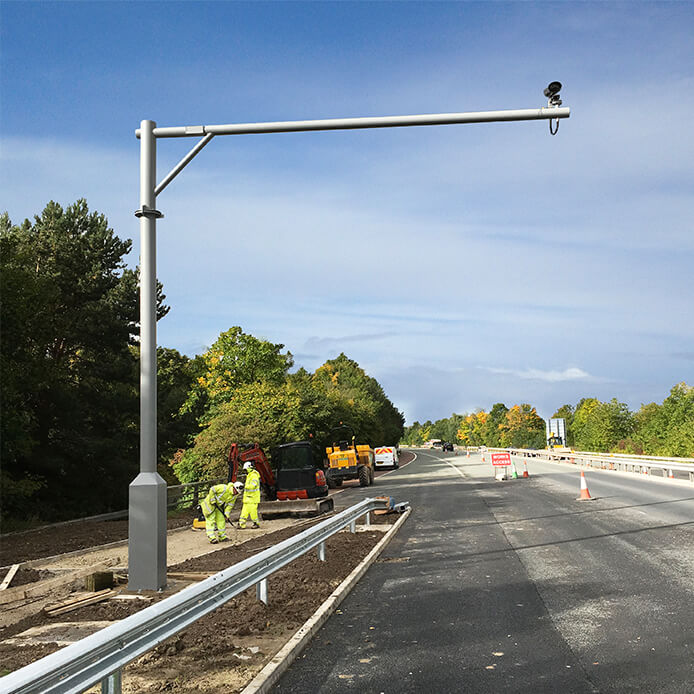

1. Digital Gantries
These overhead signs display real-time instructions:
- Speed limits
- Lane closures
- Warnings of accidents
- Alerts for stopped vehicles
2. Radar & CCTV
Smart motorways use radar systems and HD cameras to detect:
- Sudden stoppages
- Slow-moving traffic
- Hazardous conditions
- Collisions or breakdowns
Newer systems aim to detect a stopped vehicle within 20 seconds.
3. Automatic Speed Enforcement
Speed limits can change instantly based on:
- Weather
- Congestion
- Roadworks
- Accidents
Cameras enforce these for safety.
4. Emergency Refuge Areas (ERAs)
These bright orange areas are safe zones where drivers can stop in an emergency. On older ALR sections, they were spaced too far apart—leading to significant criticism.
Smart Motorway Safety: What the Data Shows
Smart motorways reduce some types of accidents but increase others.
Improvements include:
- Fewer collisions caused by sudden braking
- Better overall traffic flow
- Reduced rear-end impacts
- Fewer collisions during heavy congestion
However, risks include:
- Higher danger for broken-down vehicles in live lanes
- Delayed hazard detection (on older systems)
- Confusion over lane closures
- Difficulty reaching ERAs in time


Several high-profile incidents prompted the UK government to review ALR motorways, freezing new construction until safety improvements are guaranteed.
The Biggest Risk: Stopped Vehicles in Live Lanes
The removal of the hard shoulder means that if your vehicle breaks down:
- You may be forced to stop in an active lane
- Cars approaching at 70mph may not expect an obstruction
- Detection systems must react quickly to close the lane
- Emergency services can take longer to reach you
Older smart motorway sections relied heavily on manual CCTV monitoring. Human operators could take minutes to detect a stationary vehicle—far too slow for real safety.
Newer motorways include Stopped Vehicle Detection (SVD) radar, which is dramatically faster and more reliable.
Government Response & New Tech Requirements
Due to concerns, the UK has implemented new rules and paused expansion of ALR motorways.
Key safety upgrades include:
1. Mandatory Stopped Vehicle Detection
High-precision radar that can detect a stopped vehicle within seconds.
2. More Emergency Refuge Areas
ERAs must be spaced much closer together—typically every 0.75 miles.
3. Better Signage
Clearer instructions on gantries, including countdown markers to ERAs.
4. Faster Lane Closures
When SVD detects a breakdown, red “X” lane closure signs must activate almost instantly.
5. More CCTV Coverage
Full monitoring with better illumination.
6. Public Education Campaigns
Drivers need clearer guidance on:
- What to do if they break down
- How to use ERAs
- How to interpret red X lane signs
How Smart Motorways Will Evolve in the Future
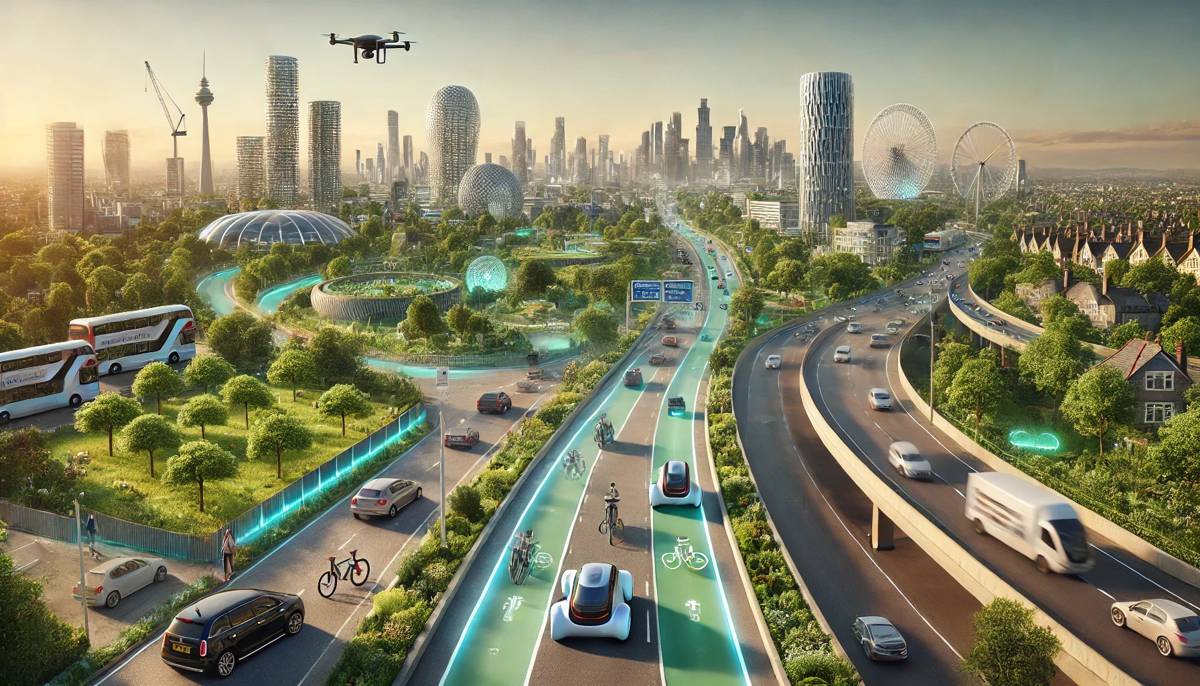

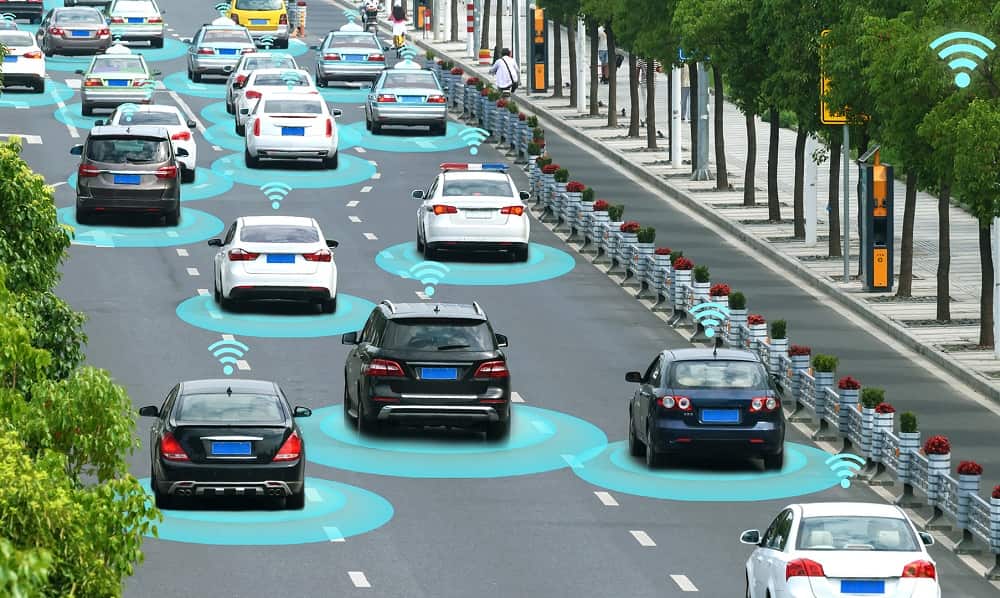
Future versions will likely feature:
• AI-driven hazard prediction
Systems analysing patterns to predict risks before they occur.
• Integrated connected-car alerts
Cars with ADAS and dash cams will communicate directly with motorway systems.
• Autonomous lane control
Real-time adjustments for self-driving cars.
• More solar-powered or carbon-neutral gantries
Reducing operational emissions.
• Full fibre-optic sensor grids
Allowing instant detection of:
- Ice
- Debris
- Animals
- Accidents
This will transform motorways into adaptive, self-monitoring systems.
Are Smart Motorways Safe? A Balanced Conclusion
Smart motorways were built to reduce congestion and improve travel efficiency—but their design, especially the removal of the hard shoulder, has sparked legitimate concerns.
They work best when:
- Up-to-date radar detection is installed
- ERAs are frequent and visible
- Digital signage is clear
- Drivers trust and understand the system
They work poorly when:
- Stopped vehicles go undetected
- Lane closures are slow
- Refuge areas are too far apart
- Drivers misunderstand signs
At RoadTechHub, our stance is clear:
Smart motorway technology can work—but only when fully supported by modern detection systems, better infrastructure, and improved driver awareness.
As sensor accuracy improves and vehicles become more connected, the next generation of smart motorways will look very different from today’s transitional versions. The goal remains the same: safer, smoother, and smarter travel for everyone.