
Night-Time Driving Safety: Essential Tips Every Driver Should Know

4
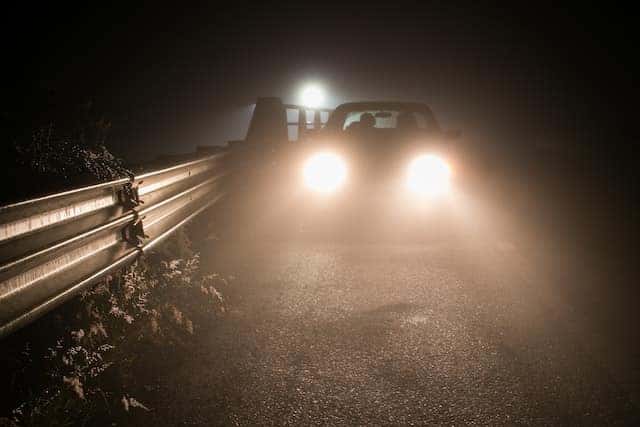
Driving at night is significantly riskier than driving during the day, even though there’s less traffic on the roads. Reduced visibility, glare from headlights, fatigue, and unpredictable road conditions all contribute to higher accident rates after sunset. In fact, studies consistently show that a driver’s risk of being involved in a fatal crash is three times higher at night.
At RoadTechHub, we believe road safety starts with awareness and preparation. Whether you’re heading home late, taking a long motorway journey, or navigating rural roads in low light, understanding night-time safety is essential.
Here are the most important tips every driver should know.
Why Night-Time Driving Is More Dangerous
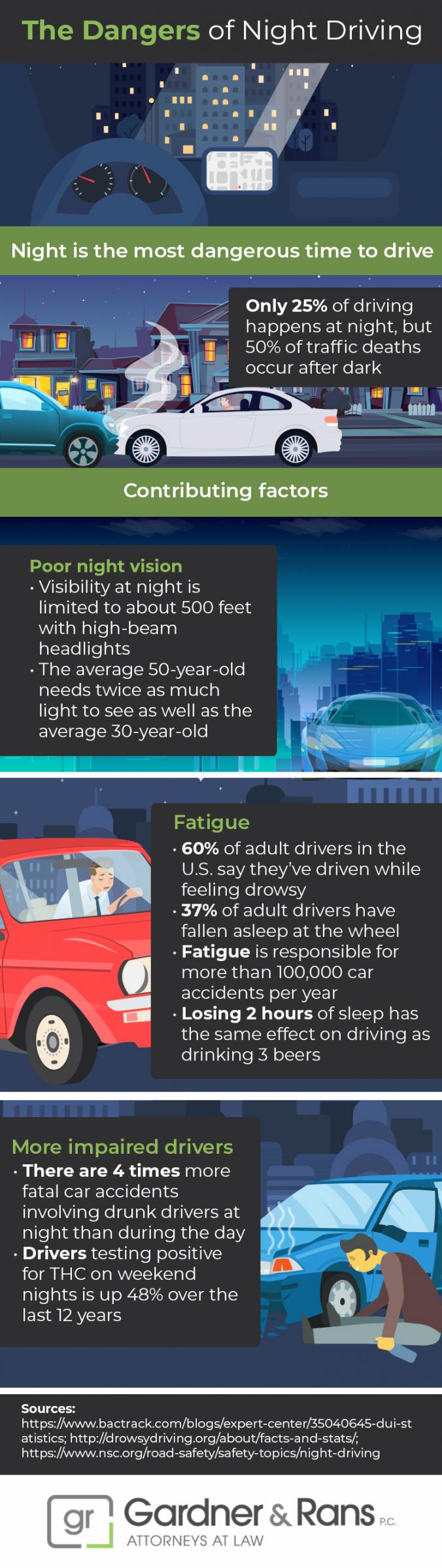
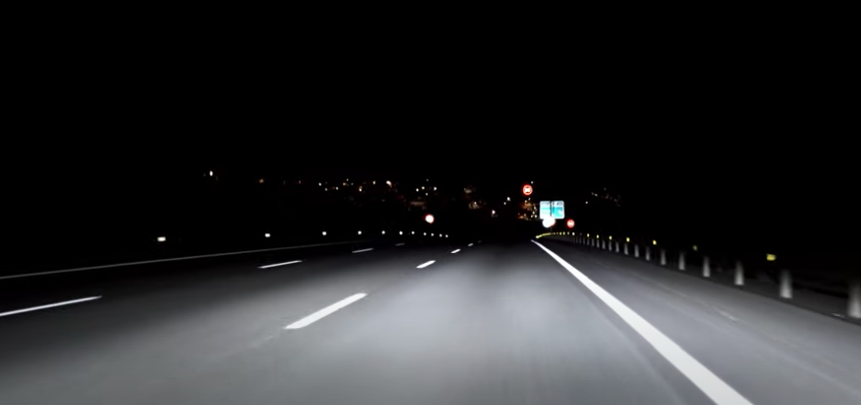

Before focusing on solutions, it’s important to understand why driving at night poses extra risks.
1. Reduced Visibility
Our eyes simply don’t work as well in the dark. Depth perception, colour recognition, and peripheral vision all decrease significantly.
2. Glare From Headlights
Oncoming headlights can temporarily blind you, especially on narrow or rural roads.
3. Driver Fatigue
Fatigue-related crashes peak between midnight and 6 am.
4. Increased Risk of Wildlife Collisions
Animals are more active at night and harder to see.
5. More Drunk or Distracted Drivers
Evening hours statistically have higher rates of impaired driving.
Understanding these risks is the first step to avoiding them.
1. Optimise Your Headlights
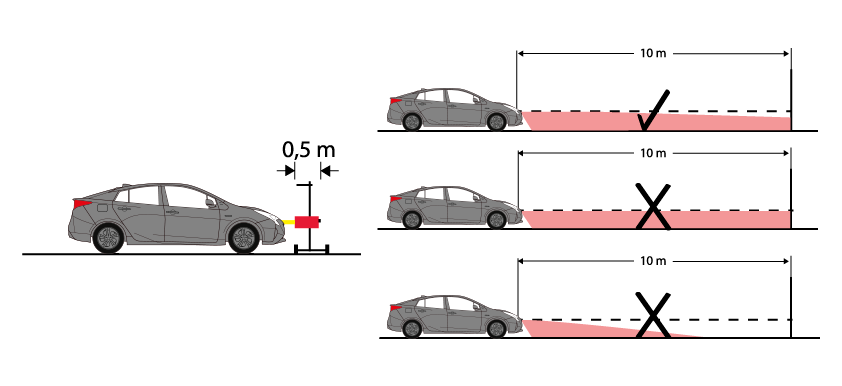


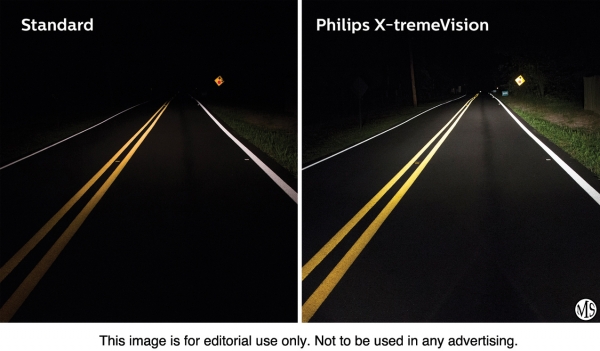
Your headlights are your primary line of defence during night-time driving, yet many drivers neglect them.
Check headlight alignment
Misaligned headlights:
- Reduce your visibility
- Increase glare for oncoming drivers
- Create dangerous blind zones
Have them checked during routine servicing or any time you feel your field of vision is uneven.
Use the right beams
- Low beams for city streets, traffic, and when following another vehicle.
- High beams on rural or unlit roads—but always dim them when another car approaches.
Keep headlights clean
Dirt and grime can cut your light output by up to 50%.
Upgrade to modern bulbs
LED or xenon bulbs offer better clarity and lifespan.
2. Reduce Speed and Increase Following Distance
At night, hazards appear later, and reaction times increase.
Slow down
Even a small reduction in speed dramatically increases the time you have to respond.
Keep a larger gap
At least 3–4 seconds behind the vehicle in front—more if conditions are wet or foggy.
Avoid sudden movements
Steady, predictable driving keeps you safer and reduces glare and confusion for others.
3. Tackle Glare Like a Pro

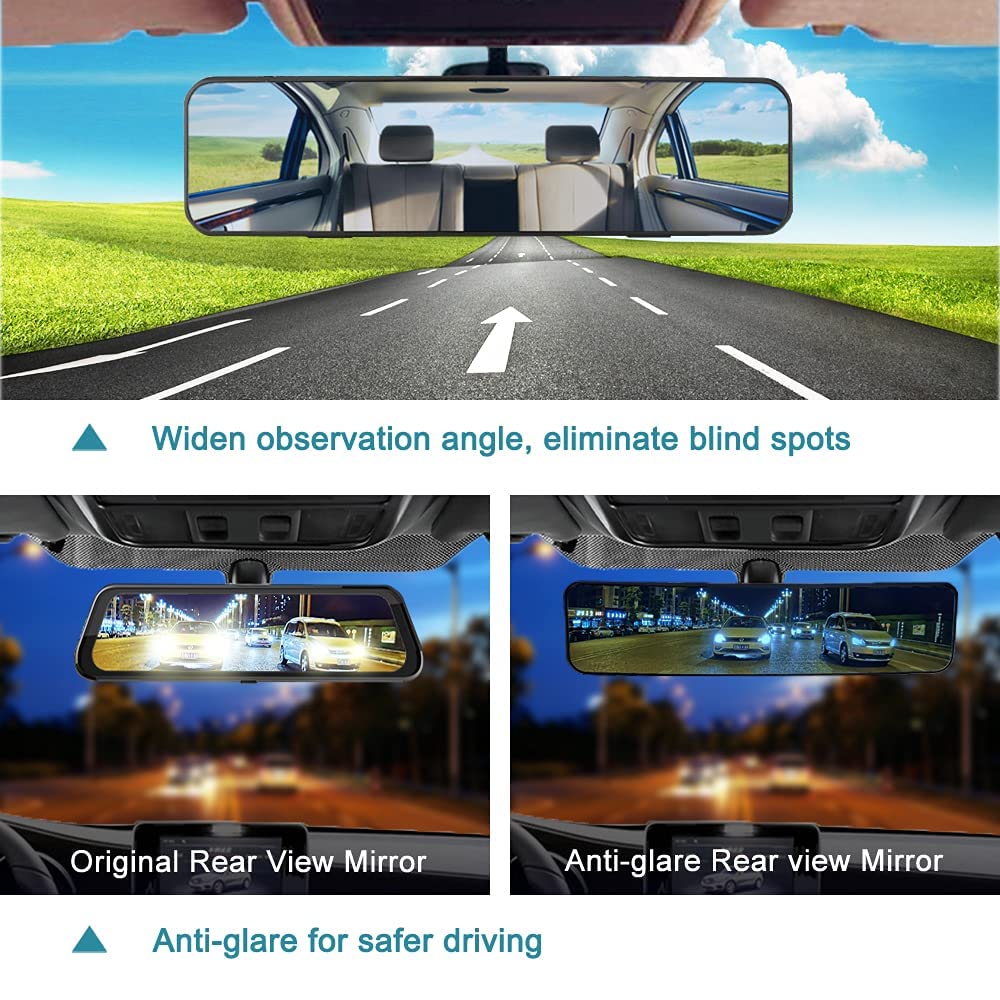

Glare from oncoming traffic is one of the biggest frustrations for night drivers.
Use the night mode on your rear-view mirror
Many cars have a manual or automatic anti-glare function.
Look slightly to the right
Focus on the white line on the edge of the road to avoid direct glare.
Keep your windscreen spotless
Smudges, dust, and grease multiply glare dramatically.
Avoid looking directly at LED headlights
They are brighter and more dazzling than older halogen bulbs.
4. Keep Your Interior Lighting Low
Bright dash lights reduce contrast and make the road harder to see.
Dim your dashboard
A soft, low glow is ideal.
Avoid cabin lights
Interior lights damage night vision. If you must use them, turn them off quickly.
Use minimal screen brightness
Phone mounts and infotainment screens should be dimmed to night mode.
5. Maintain a Clean, Clear Windscreen
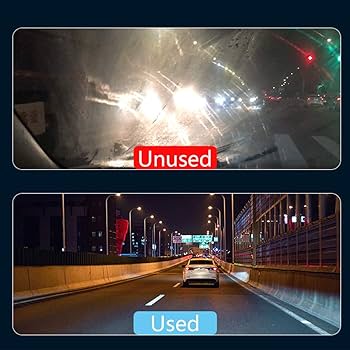
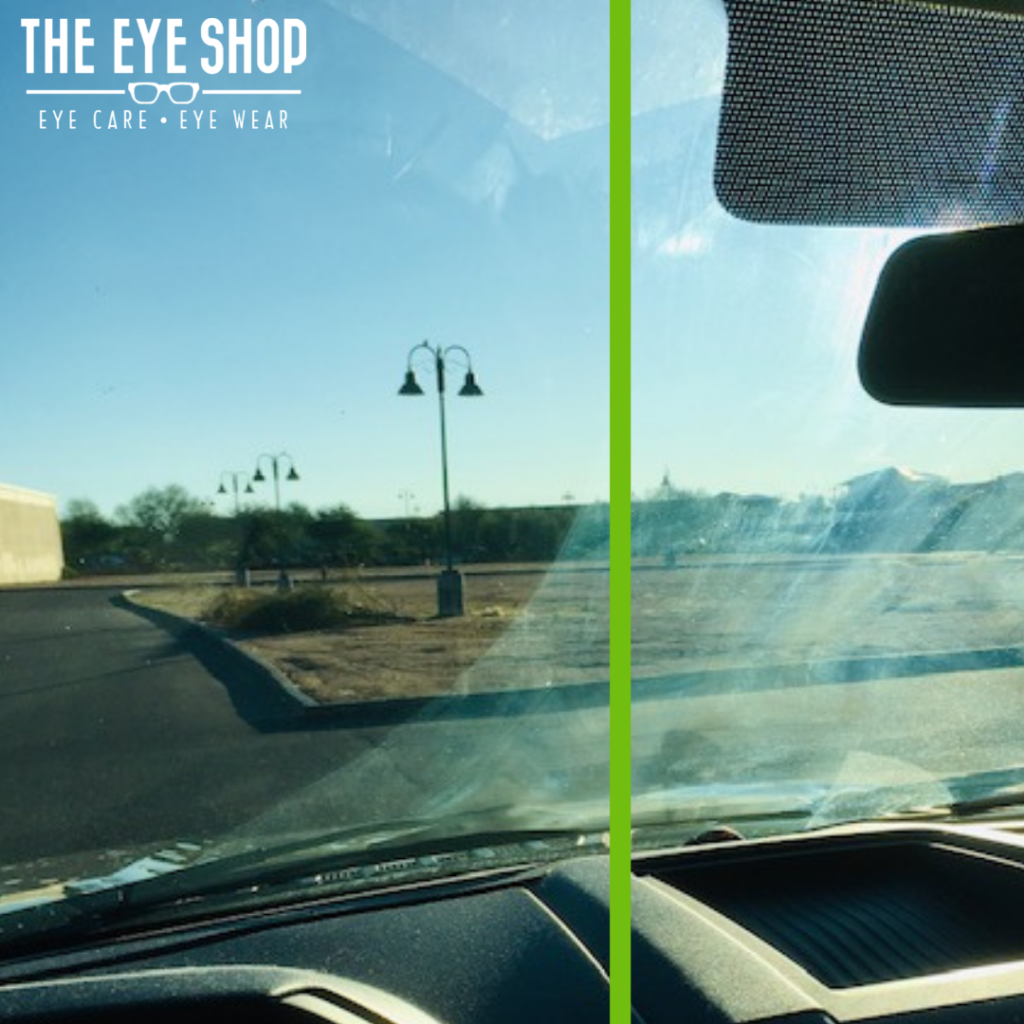

Dirty glass scatters light, making glare far worse.
Clean inside and out
Many drivers forget the inside—where films and vapour build up.
Replace worn wiper blades
Streaks create dangerous refractions from headlights.
Use anti-fog products
Fog buildup inside your vehicle can be unpredictable at night.
6. Stay Alert: Fight Fatigue
Night-time fatigue is a serious danger.
Know the warning signs
- Heavy eyelids
- Lane drifting
- Slow reactions
- Missing road signs
- Frequent yawning
Follow the 2-hour rule
Take breaks at least every 2 hours or sooner if tired.
Avoid relying on caffeine
It masks fatigue briefly but doesn’t solve it.
If you’re too tired to drive, don’t.
Stopping for 20 minutes is safer than risking a microsleep at 70mph.
7. Use Technology to Your Advantage
Modern tech can significantly improve night visibility and awareness.


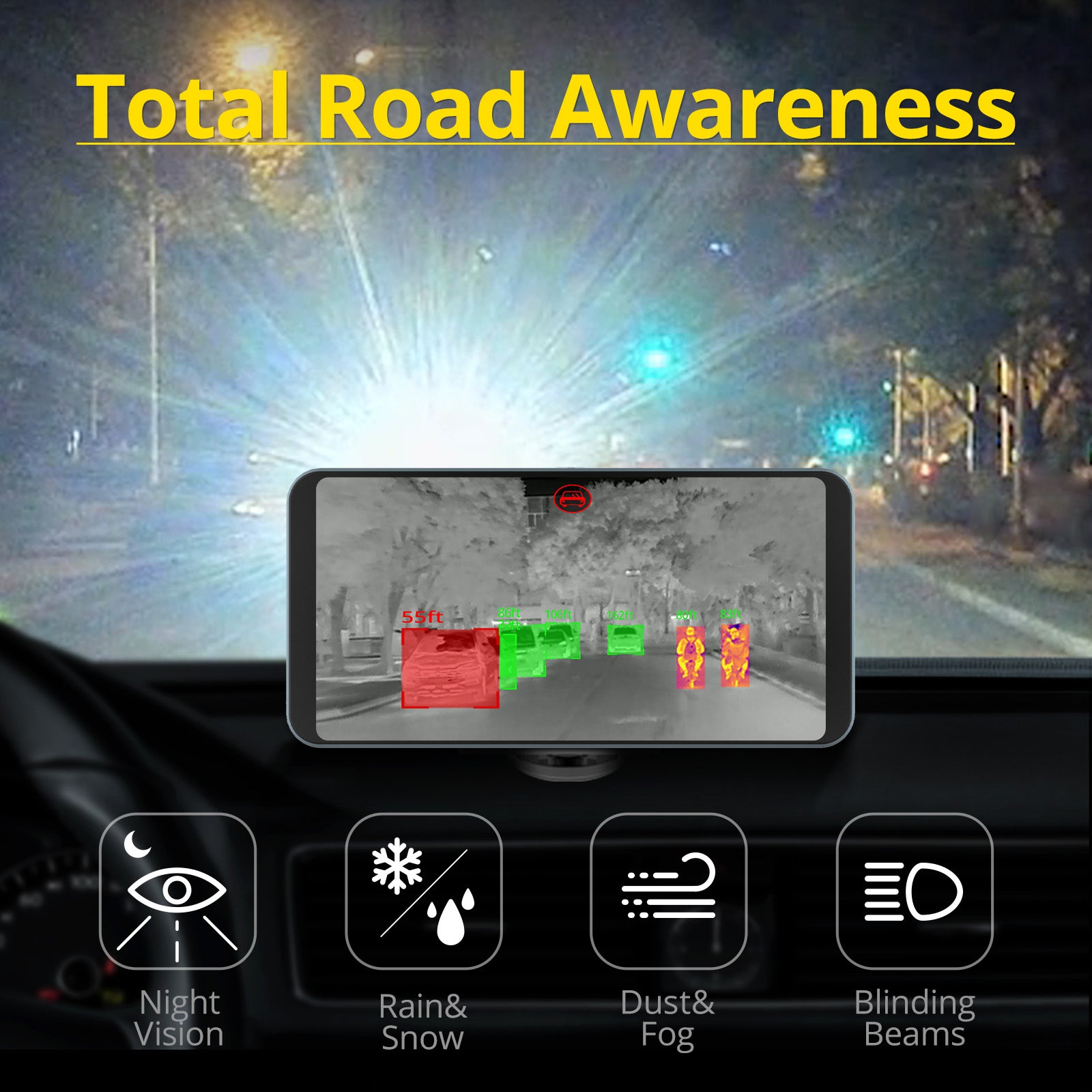
Dash Cameras with Night Vision
High-quality dash cams—especially 4K models—capture more detail in low light and help with:
- Incident evidence
- Number plate visibility
- Rear-end collision protection
ADAS Features
Advanced Driver-Assistance Systems are built for low-light conditions:
- Lane-keeping
- Collision warning
- Driver fatigue alerts
Automatic high-beam assist
Switches between high and low beams based on traffic.
Smart technology is becoming essential for safe night travel.
8. Be Extra Cautious on Rural Roads
Rural roads are the most dangerous at night due to:
- Minimal lighting
- Sharp bends
- Wildlife crossings
- Narrow lanes
Slow down and scan with your eyes
Move your vision left to right, looking for movement on verges and hedges.
Watch for animal reflections
Eyes often reflect light before the animal becomes visible.
9. Keep Your Car in Top Condition
A poorly maintained vehicle is far more dangerous at night.
Check these regularly:
- Tyres (pressure & tread)
- Brakes
- Battery
- Headlights & brake lights
- Washer fluid
Don’t ignore warning lights
Even minor faults affect night-time safety.
10. Stay Calm and Think Ahead
Night driving requires a calm, focused mindset.
Predict danger
Expect unexpected events—especially on unfamiliar roads.
Avoid aggressive drivers
Slow down, let them pass, and maintain your own safe pace.
Don’t rush
Arriving a few minutes later is always better than taking risks.
Final Thoughts: Night-Time Driving Doesn’t Have to Be Dangerous
With the right preparation, awareness, and tools, driving at night can be just as safe as driving during the day. Visibility challenges, glare, fatigue, and unpredictable hazards are all manageable when you approach night driving with caution and confidence.
At RoadTechHub, we encourage drivers to combine these safety practices with modern technology—such as dash cams, ADAS systems, and improved lighting—to enhance awareness and reduce risk.
Night-time doesn’t have to be dangerous. It just requires a little more respect, preparation, and attention.