
Fast Charging vs Slow Charging: What’s the Difference?
4
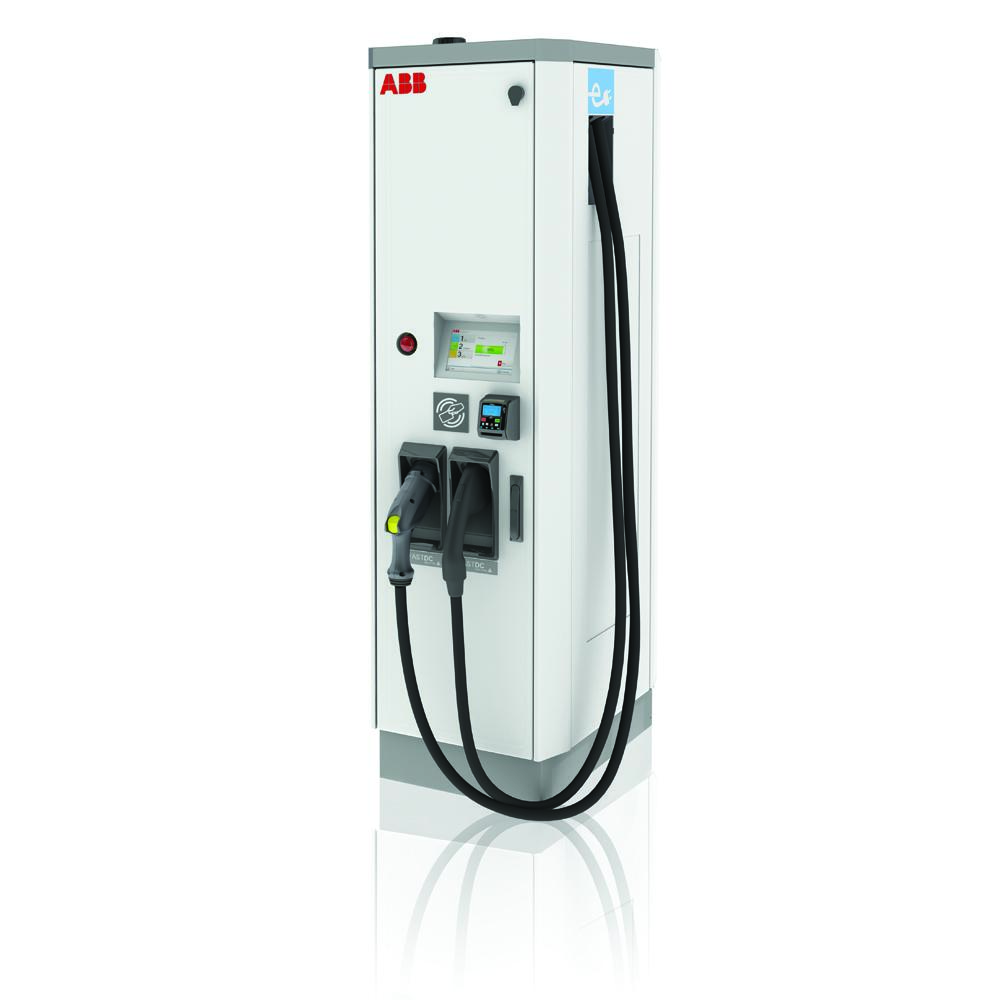
As electric vehicles (EVs) continue to become mainstream, one of the biggest questions new drivers have is: “What’s the difference between fast charging and slow charging?”
Understanding how each charging method works is essential not just for convenience, but also for battery health, running costs, and long-term performance. Whether you’re charging at home, using public stations, or planning long-distance journeys, knowing when to use fast or slow charging can make life as an EV driver smoother and more efficient.
At RoadTechHub, we break down the key differences in simple, practical terms—so you can choose the right charging method for every situation.
What Is Slow Charging?
(Also known as Level 1 or Level 2 charging, depending on country)


4
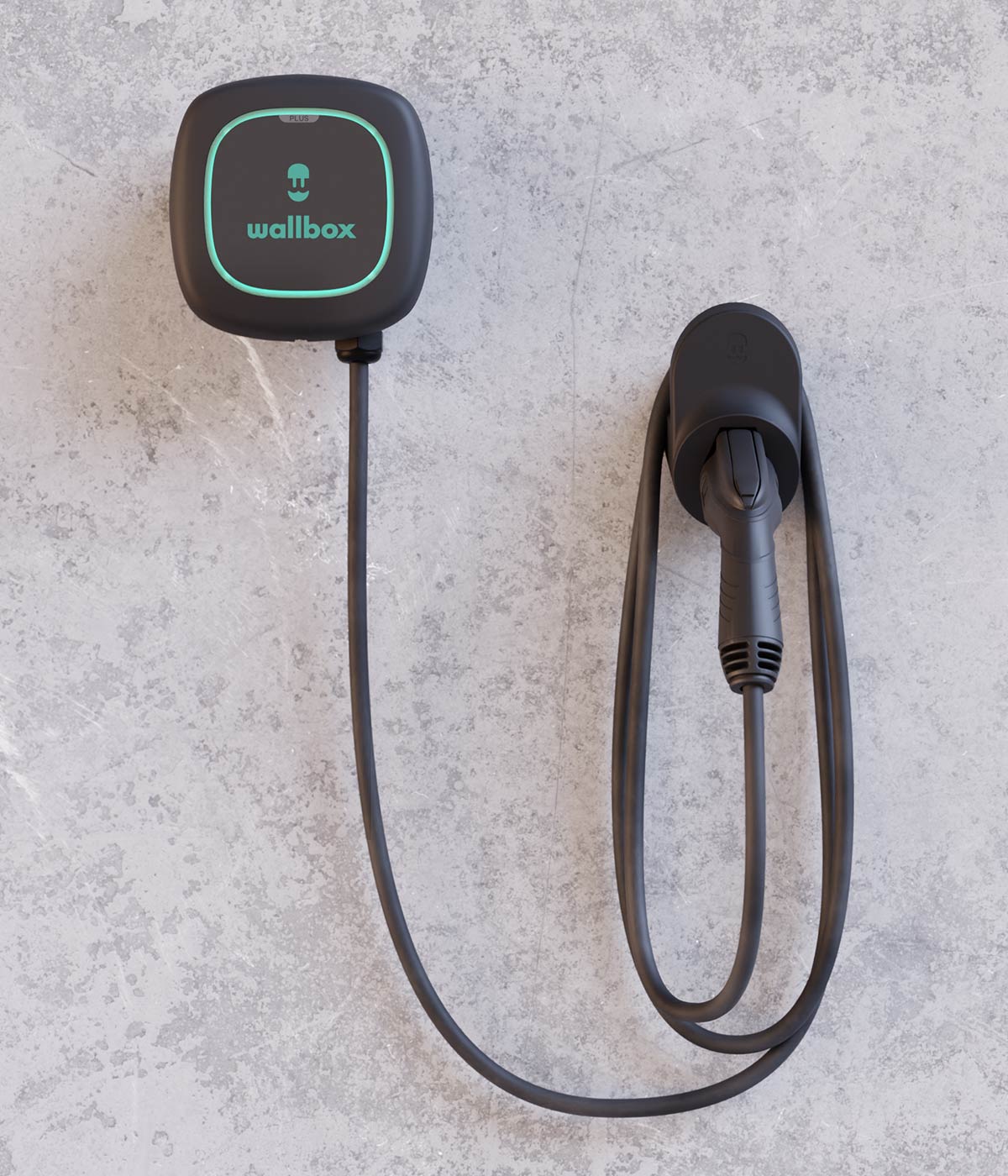
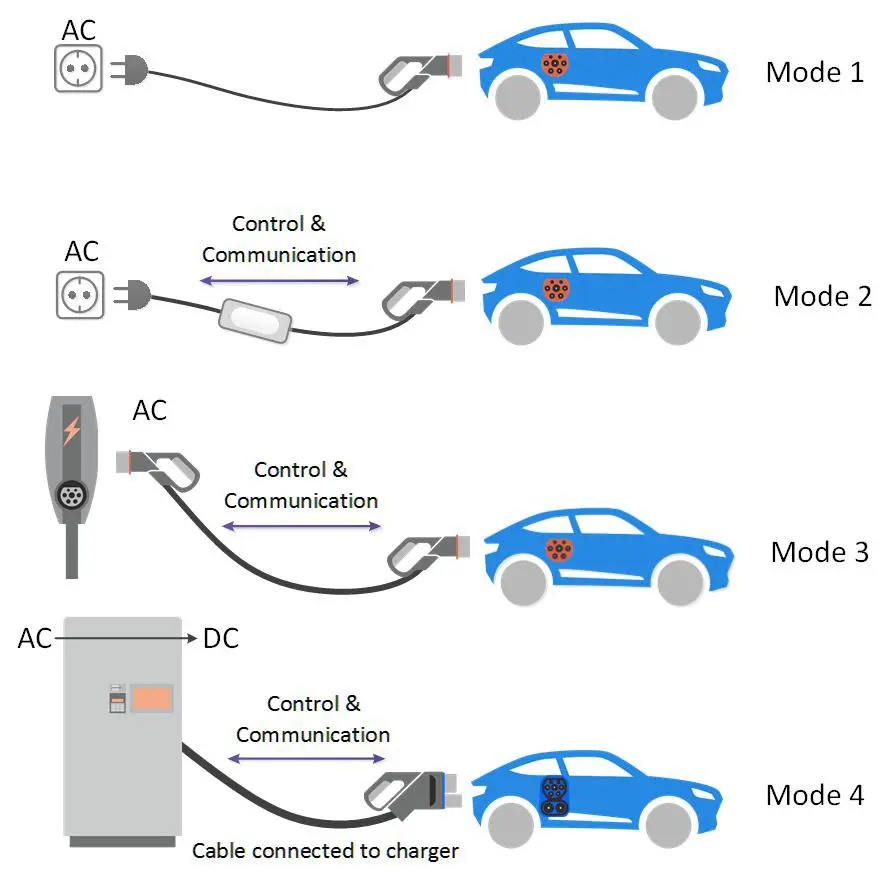
Slow charging refers to powering an electric vehicle using low-powered AC electricity, typically delivered through:
- A regular household socket (the slowest method)
- A dedicated home wallbox charger
- Workplace charging points
Typical charging speeds:
- 2–3 kW (3-pin plug) → Very slow
- 7 kW (home wallbox) → Standard slow charging
- 11–22 kW (public AC chargers) → Faster AC charging, but still slower than DC fast charging
How long does slow charging take?
Most EVs take 6–12 hours to charge from empty to full using a home wallbox. Using a 3-pin plug can take 24 hours or more.
Why slow charging is important:
- It’s gentle on the battery
- Charging overnight is convenient
- It’s the cheapest and most efficient way to charge
- Perfect for daily top-ups rather than full charges
Slow charging is the backbone of everyday EV use.
What Is Fast Charging?
(Also known as Rapid Charging or DC Fast Charging)
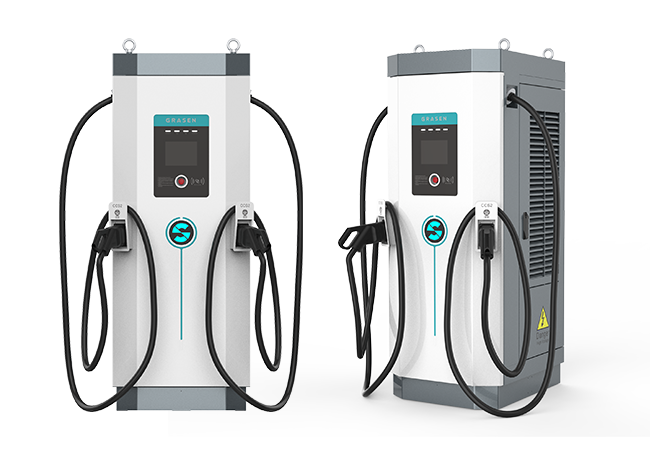
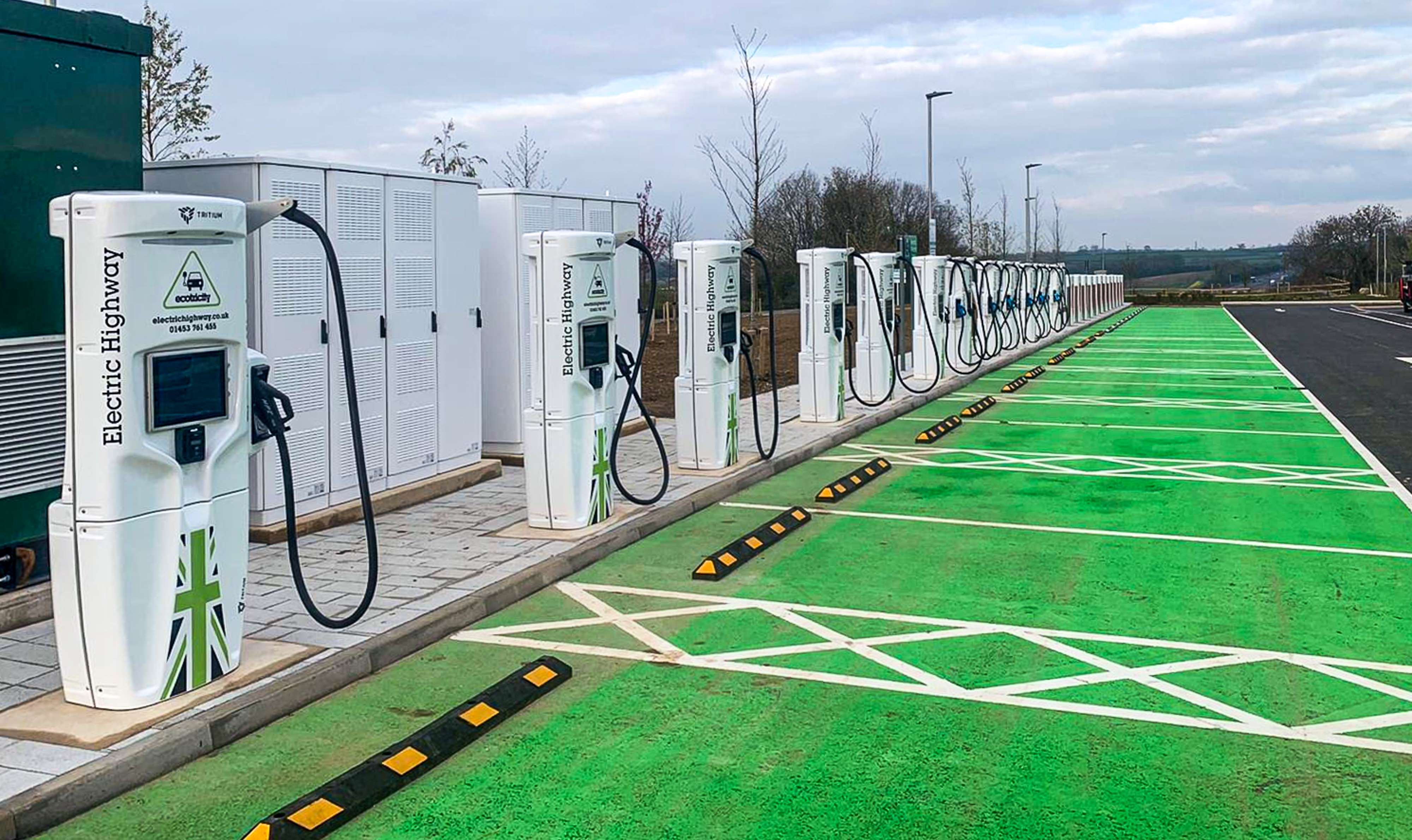
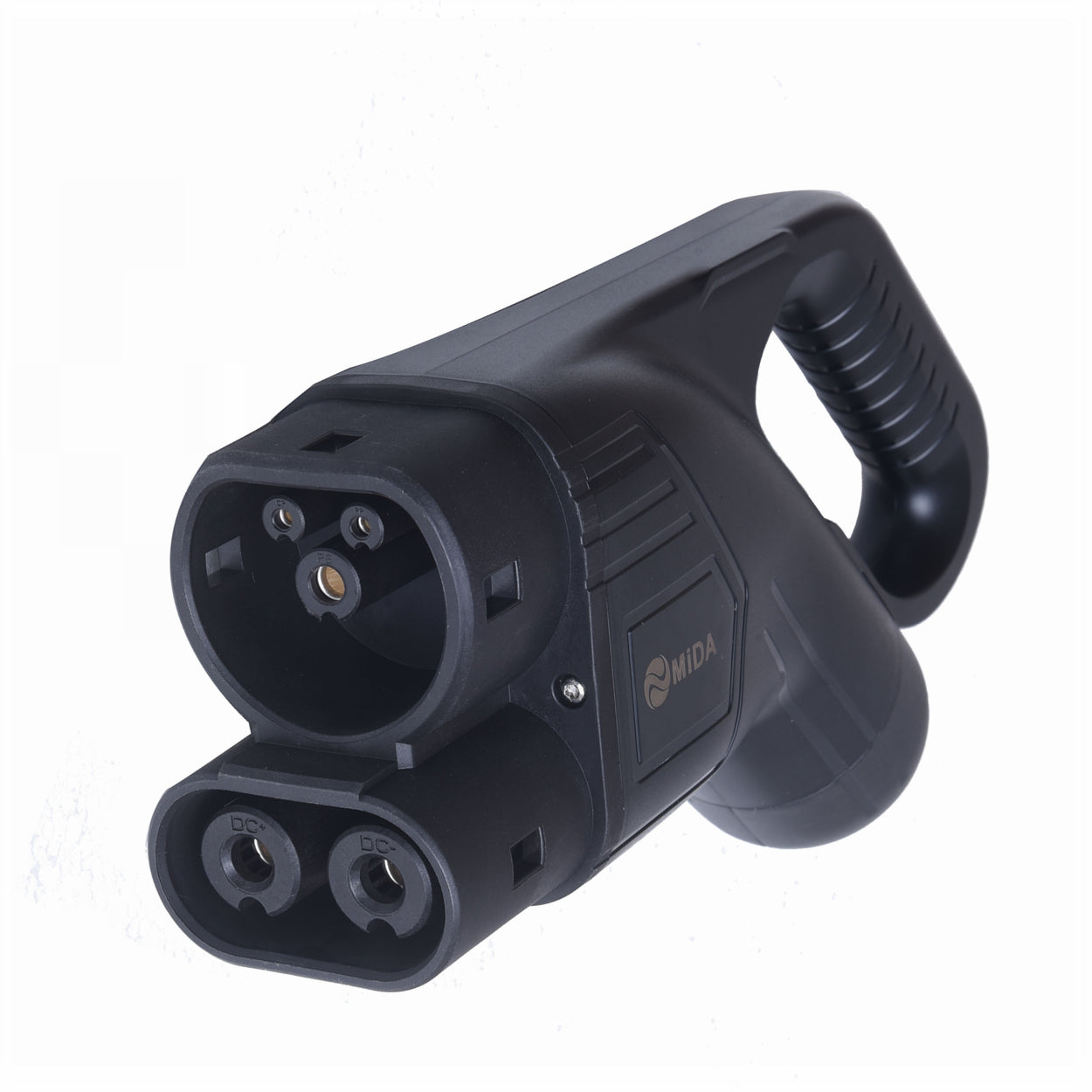
Fast charging uses high-powered DC (Direct Current) electricity to fill an EV battery much more quickly. These chargers are usually located at:
- Motorway service stations
- Shopping centres
- EV charging hubs
- Public ultra-rapid charging networks
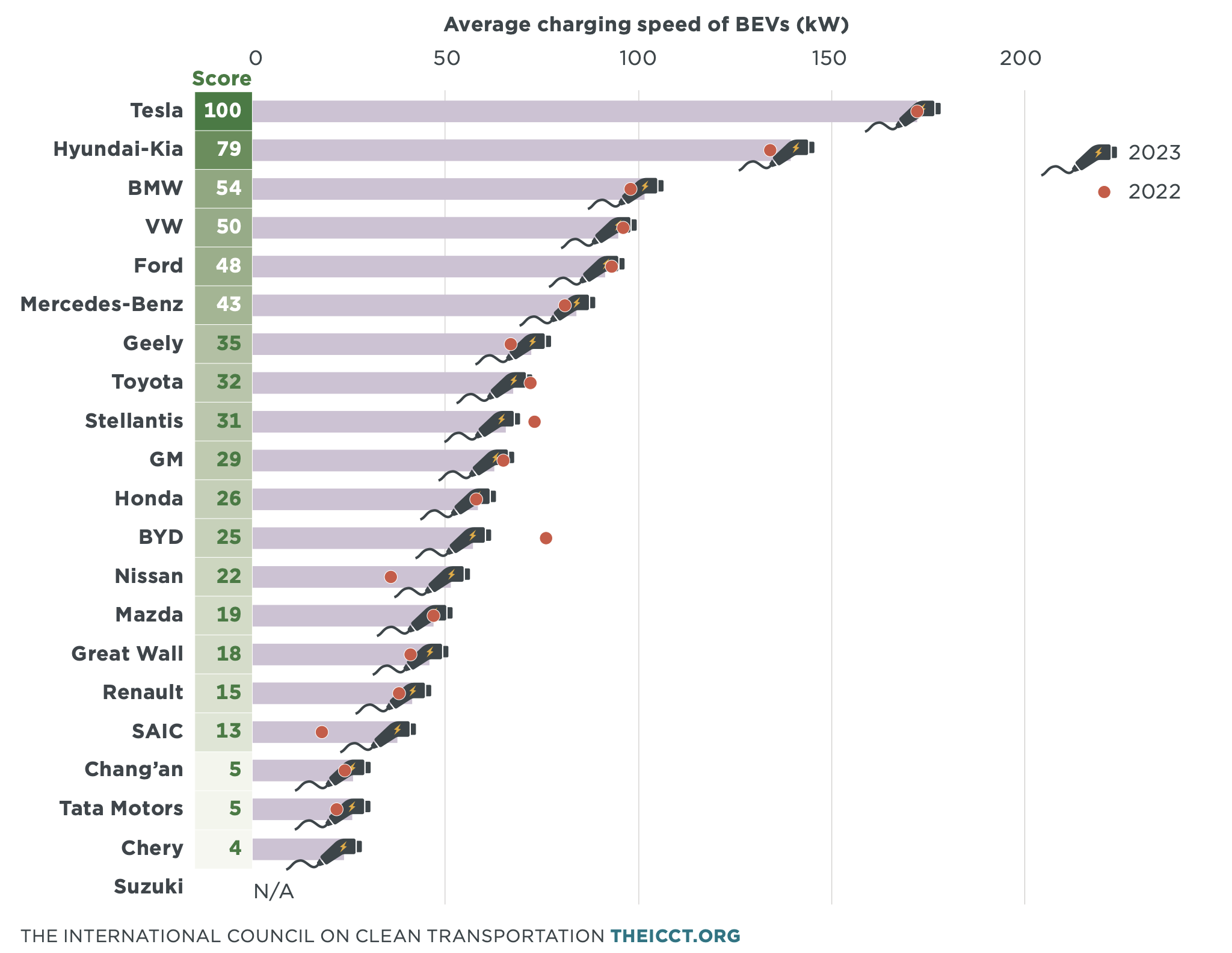
Typical charging speeds:
- 50 kW → Standard fast charging
- 100–150 kW → Rapid DC charging
- 250–350 kW → Ultra-rapid charging (for EVs that support it)
How long does fast charging take?
Most EVs can charge from 20% to 80% in 20–40 minutes using fast chargers.
Why fast charging is useful:
- Ideal for long journeys
- Perfect for topping up quickly
- Available at many motorway locations
- Reduces range anxiety
But it is not meant to be your primary charging method. We’ll explain why below.
Key Differences at a Glance
| Feature | Slow Charging (AC) | Fast Charging (DC) |
|---|---|---|
| Power Level | 2–22 kW | 50–350 kW |
| Where | Home, work, public AC | Motorways, hubs |
| Charging Time | 6–12+ hours | 20–40 minutes |
| Battery Stress | Low | Higher |
| Best For | Daily charging | Long trips |
| Cost | Cheapest | Most expensive |
Which One Is Better for Your Battery?
Battery health is one of the most important factors in EV ownership.
Slow charging is the gentlest option.
Lithium-ion EV batteries prefer low heat and stable charging rates. Slow charging generates less heat and reduces long-term wear.
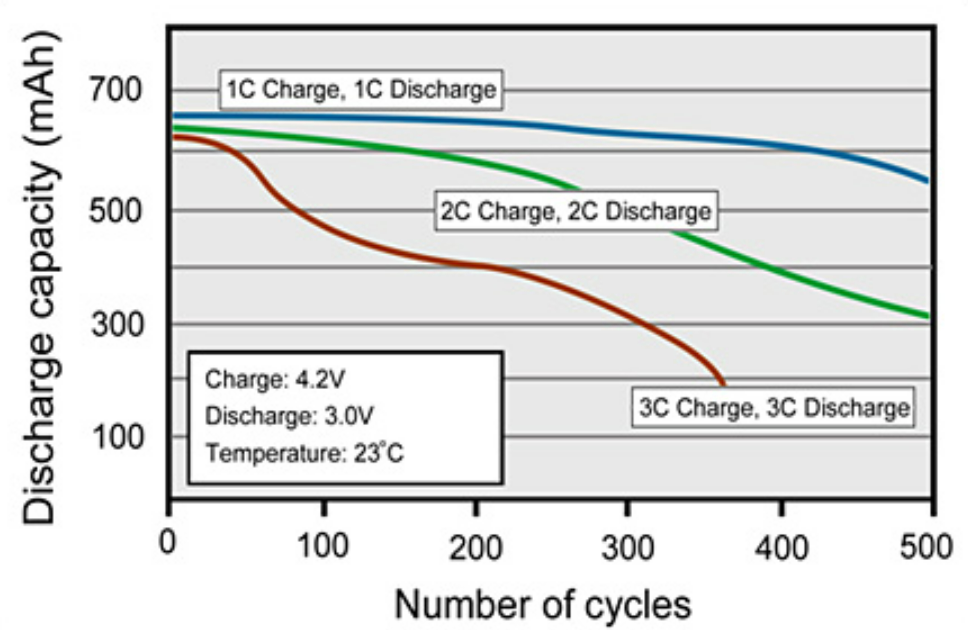
Fast charging generates heat and chemical stress.
Using it occasionally is fine. But using fast charging daily may accelerate battery degradation over time.
Best practice:
🔋 Use slow charging for everyday use
⚡ Use fast charging only when travelling or running low
EV manufacturers recommend limiting fast charging to around 20–30% of your total charging sessions for optimal longevity.
Cost Differences: Slow Charging vs Fast Charging
Charging cost varies significantly depending on method and location.
Slow Charging Costs
Charging at home is the cheapest way to power an EV.
- Overnight tariffs can be extremely low
- Most EV drivers save £500–£1,000 per year by charging at home
- Charging from solar panels makes it even cheaper
Fast Charging Costs
Public fast chargers are:
- More expensive per kWh
- Priced for convenience, not economy
- Similar in cost to petrol/diesel on some networks
For example, charging on a 300 kW rapid charger can be 3–4× more expensive than charging at home.
When Should You Use Slow Charging?
✔ Overnight charging
✔ Daily commuting
✔ Keeping the battery healthy
✔ Preparing your vehicle for the long term
✔ At home or at work
Slow charging is the default recommendation for most EV owners.
When Should You Use Fast Charging?
✔ Long road trips
✔ Urgent top-ups
✔ Motorway journeys
✔ When you’re far from home
✔ When you need 80% quickly
Fast charging is all about convenience, not routine.
Myths About Fast and Slow Charging
❌ Myth 1: Fast charging damages your battery immediately
Truth: It only causes faster wear if used all the time.
❌ Myth 2: Slow charging is too slow to be useful
Truth: Overnight charging solves this problem—your car is topped up every morning.
❌ Myth 3: Fast charging always charges to 100%
Truth: Most fast chargers automatically slow down after 80% to protect the battery.
How Weather Affects Charging Speed
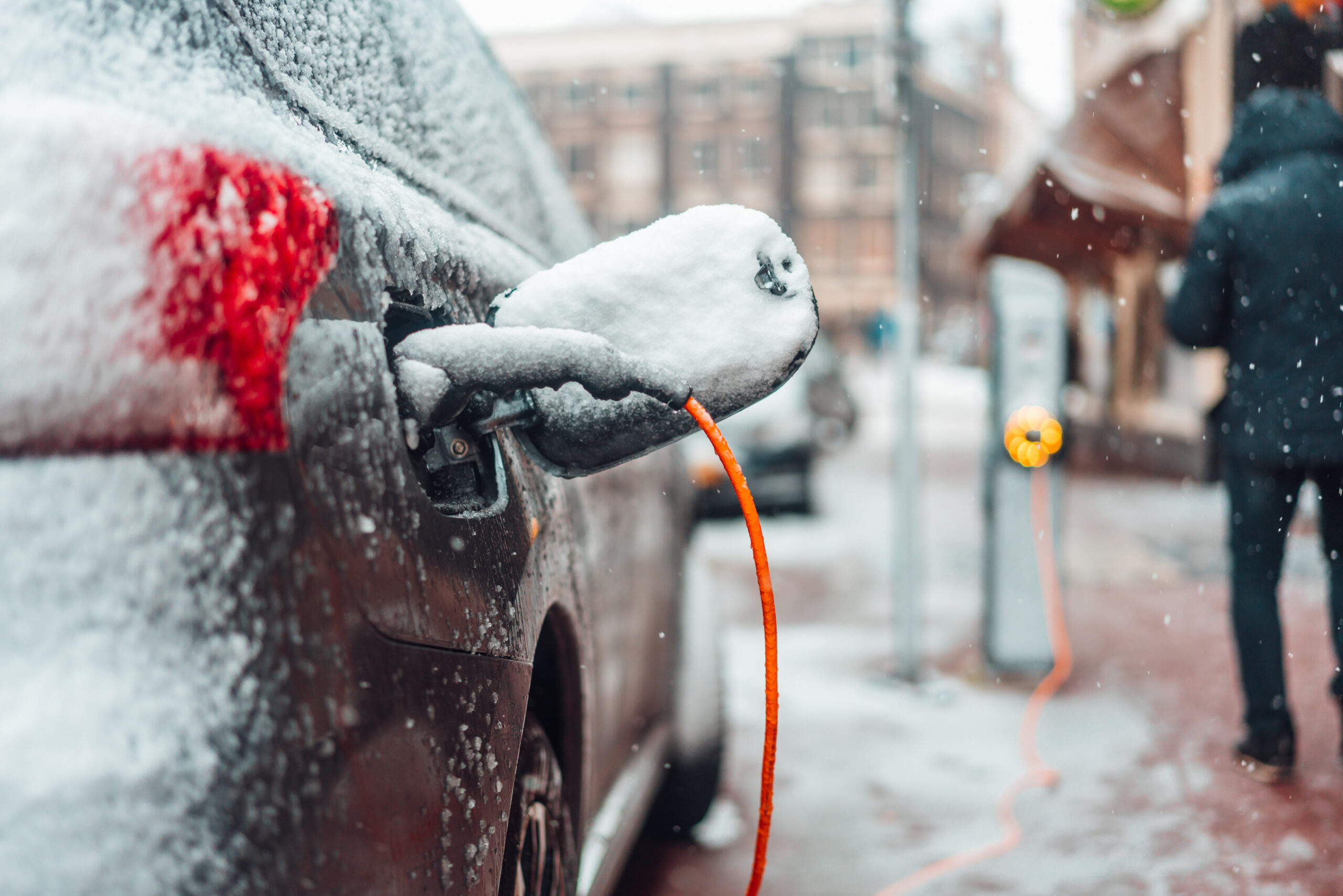
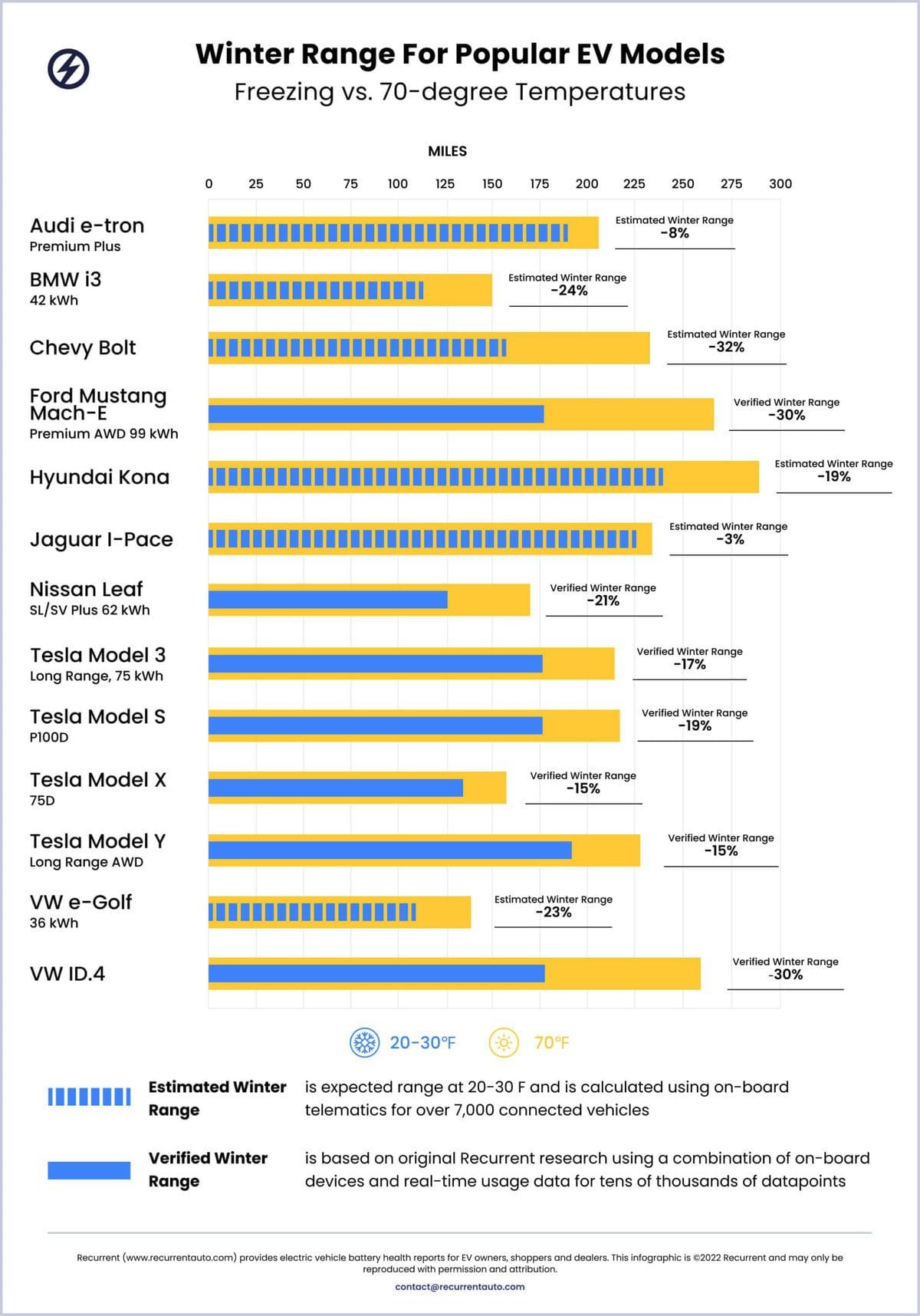
Cold weather slows charging
Batteries struggle below 10°C, especially for fast charging.
Hot weather reduces battery longevity
Heat accelerates wear and tear.
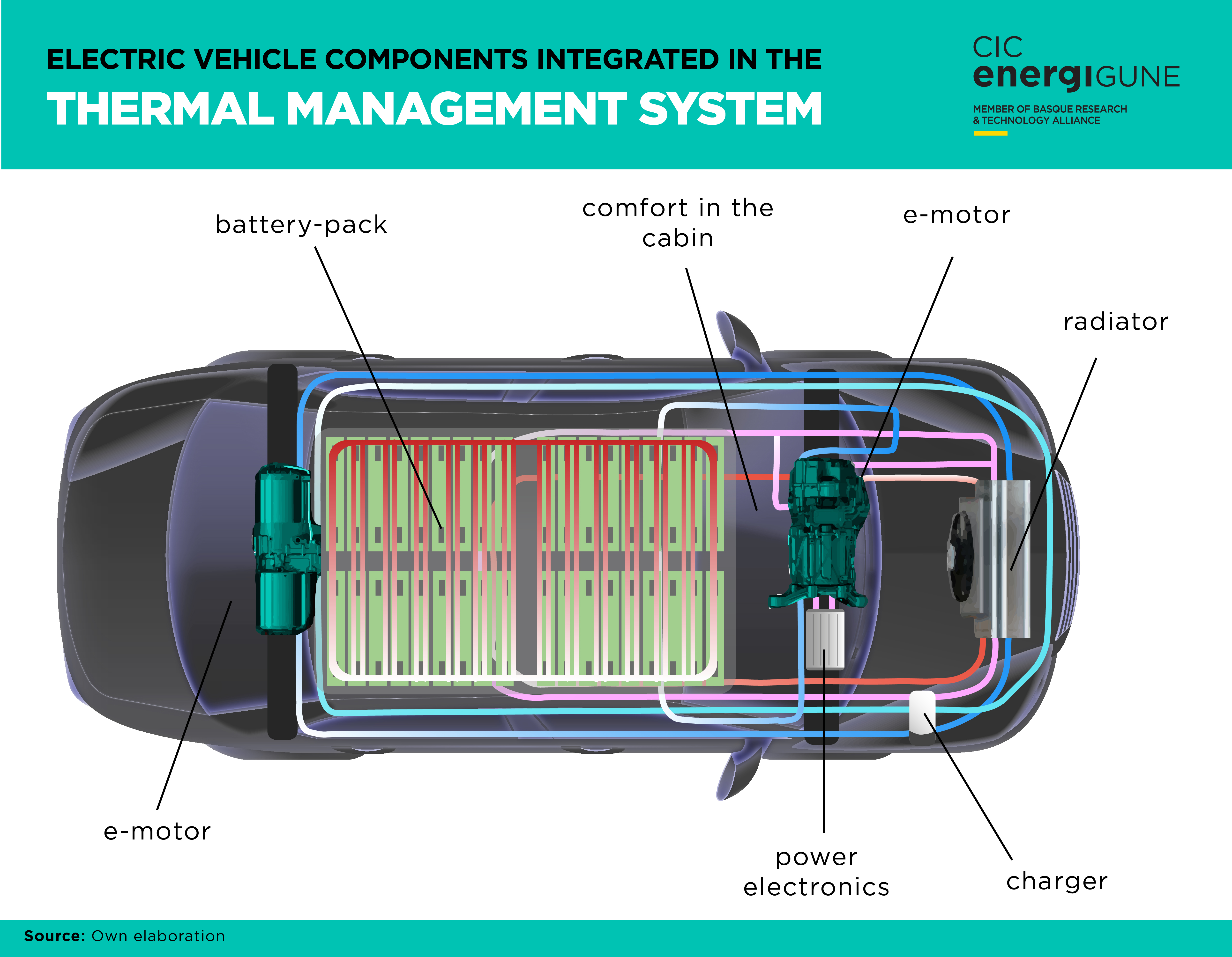
Most EVs regulate battery temperature
Modern EVs have thermal management systems that:
- Heat the battery in winter
- Cool it in summer
- Improve fast charging speeds
Which Charging Method Should You Use? (RoadTechHub Verdict)
At RoadTechHub, our recommendation is simple:
Use slow AC home charging as your primary method.
It’s cheaper, safer for your battery, and extremely convenient.
Use DC fast charging only when needed.
It’s perfect for long trips but shouldn’t be your everyday go-to.
If you blend the two wisely, you’ll:
- Keep your battery healthy
- Reduce running costs
- Extend the life of your vehicle
- Enjoy stress-free long-distance travel
Final Thoughts
Both fast charging and slow charging have essential roles in modern electric vehicle ownership. Slow charging keeps your battery healthy and your costs down, while fast charging offers unbeatable convenience when you’re on the move. The key is knowing when to use each method.
As EV chargers become more widespread and batteries more efficient, drivers will enjoy even faster, cleaner, and more reliable charging options in the coming years.