
How Weather Affects EV Performance — Heat, Cold, and Range Loss Explained

4
Electric vehicles (EVs) are known for efficiency, quiet performance, and lower running costs — but one factor still catches many drivers off guard: weather.
Both extreme heat and extreme cold can significantly affect an EV’s range, battery performance, charging speed, and even driving dynamics. While modern EVs are engineered with advanced thermal management systems, the laws of physics still play a role in how batteries behave in different temperatures.
At RoadTechHub, we break down exactly why weather affects EVs, how much range you can lose, and — most importantly — what you can do to protect your battery and optimise performance year-round.
Why Temperature Matters for EVs

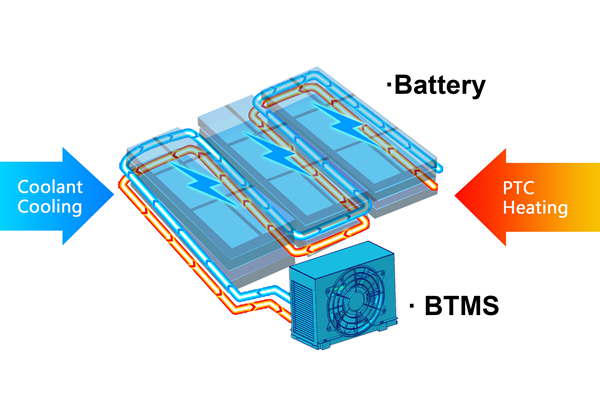
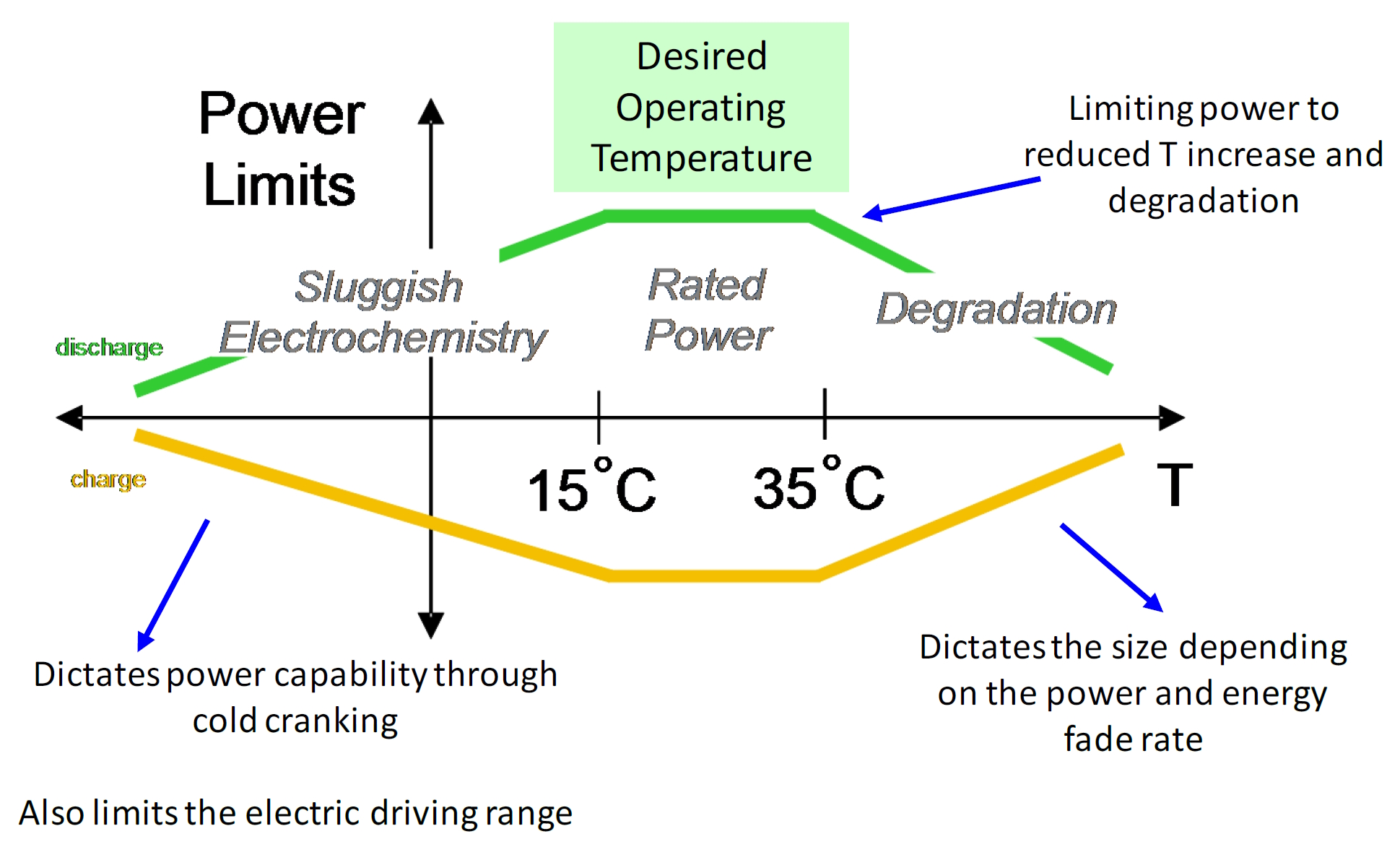
Electric vehicles rely on lithium-ion batteries, which are extremely sensitive to temperature. Their chemical reactions slow down in the cold and accelerate in the heat — affecting:
- Range
- Charging speed
- Acceleration
- Regenerative braking
- Battery longevity
Most EVs operate best between 15°C and 25°C. Outside that range, efficiency drops and energy consumption increases.
How Cold Weather Affects EV Performance
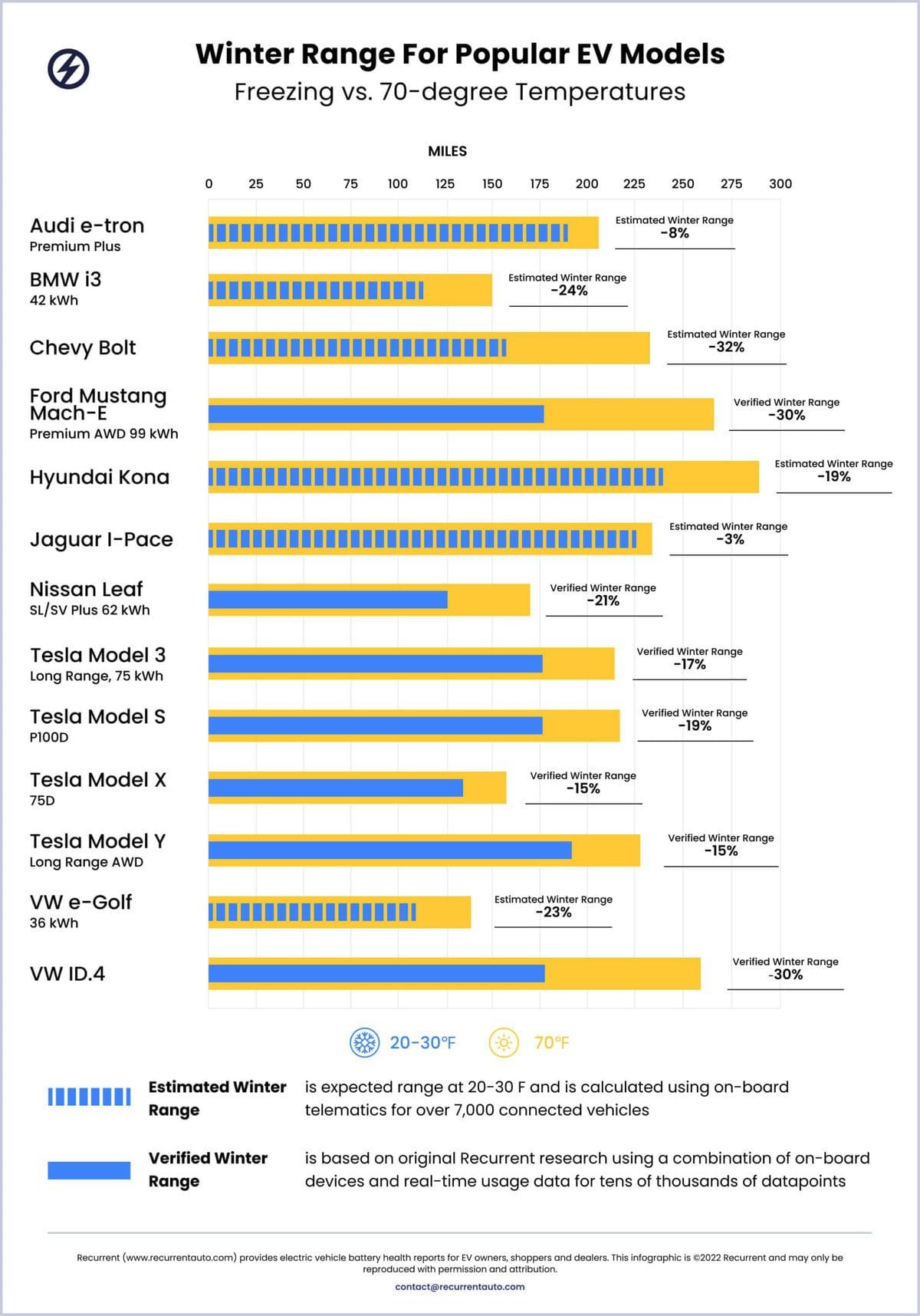


Cold weather has the biggest impact on EVs, especially during winter.
1. Reduced Driving Range
Cold temperatures slow the chemical activity inside the battery, meaning it can store and release less energy.
Typical winter range loss:
- 10–20% mild cold (0°C to 10°C)
- 20–40% moderate cold (-5°C to 0°C)
- 40% or more extreme cold (-10°C or below)
Heating systems also require more energy in winter, compounding range loss.
2. Slower Fast Charging
Lithium-ion batteries must be warm to charge quickly. In winter:
- Fast charging speeds drop significantly
- Some EVs limit charging power until the battery warms up
- Charging sessions can take 2–3× longer
This is why many EVs have battery preconditioning, especially when navigating to a fast charger.
3. Reduced Regenerative Braking
Cold batteries cannot safely accept high levels of regenerative braking. Drivers may notice:
- Reduced regen strength
- More reliance on mechanical brakes
- A less responsive “one-pedal driving” feel
This is normal and improves as the battery warms.
4. Cabin Heating Takes More Energy
Unlike petrol cars, EVs cannot rely on engine heat to warm the cabin.
Heating uses high-voltage energy, especially:
- Cabin heaters
- Windscreen defrost
- Heated seats (though these are much more efficient)
This is a major contributor to winter range loss.
5. Tyre Grip and Rolling Resistance
Cold air reduces tyre pressure, increasing rolling resistance — meaning:
- More energy needed to move the car
- Reduced range
- Longer stopping distances
A quick tyre pressure check can improve efficiency immediately.
How Hot Weather Affects EV Performance
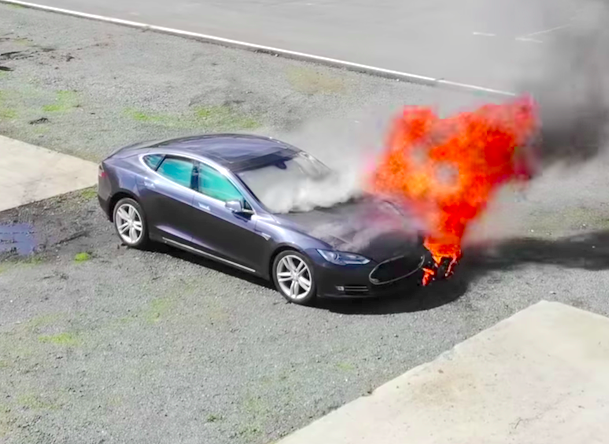

Heat doesn’t reduce range as dramatically as cold temperatures, but it affects battery health and efficiency in other ways.
1. Battery Degradation Risk
High temperatures accelerate chemical reactions — including those that wear down battery cells.
Prolonged exposure to heat can cause:
- Faster long-term degradation
- Reduced peak battery capacity
- Increased resistance inside cells
This is why many EVs aggressively manage heat using:
- Liquid cooling
- Thermal pumps
- Battery cooling loops
2. Reduced Range Due to Air Conditioning
Air conditioning is far more efficient than cabin heating, but in extreme heat:
- Running AC constantly can reduce range by 5–15%
- Cooling the battery system uses additional energy
Driving at 40°C+ temperatures can noticeably affect efficiency.
3. Slower Charging to Protect the Battery
High battery temperatures can trigger safety protocols, causing:
- Reduced charging speeds
- Throttled power input
- Avoidance of ultra-fast charging
Fast charging in heat increases internal battery pressure — so EVs slow charging to stay safe.
4. Tyre Pressure Increases
Hot weather causes the air inside tyres to expand.
Over-inflated tyres may lead to:
- Reduced traction
- Uneven wear
- Higher risk of blowouts on long motorway runs
Maintaining correct tyre pressure is even more important in summer.
Weather and Range: Real-World Examples


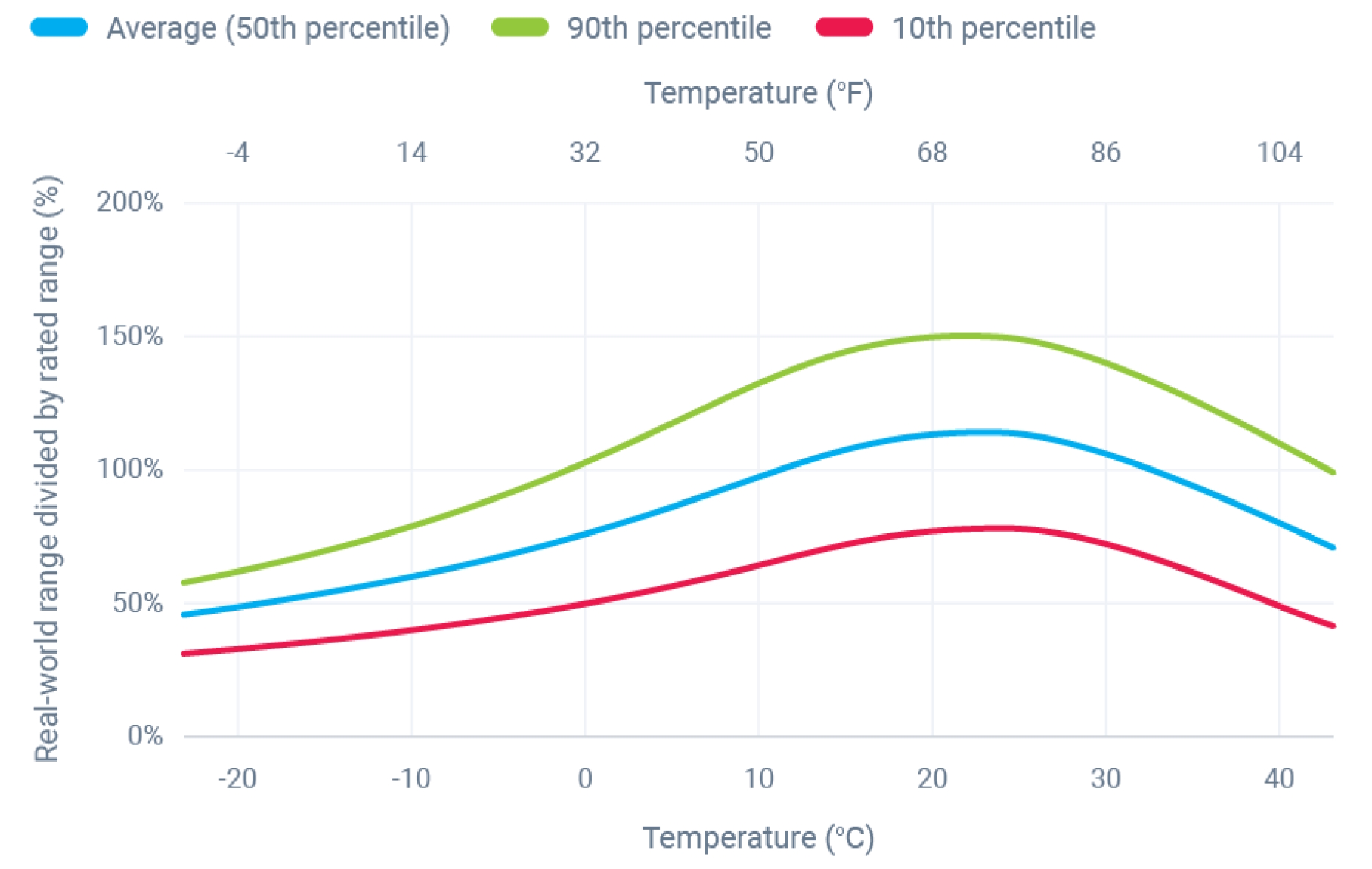
Here’s an approximate range comparison for an EV rated at 300 miles:
| Weather Condition | Approx. Real Range |
|---|---|
| 25°C (optimal) | 300 miles |
| 10°C (cool) | 260 miles |
| 0°C (cold) | 220 miles |
| -10°C (very cold) | 180 miles |
| 35°C (hot) | 250–270 miles |
Note: Actual performance varies by model, battery type, tyre choice, and driving behaviour.
How to Reduce Range Loss in Cold Weather
🔋 1. Precondition your battery
Warm the battery while plugged in before driving.
🏡 2. Park in a garage or sheltered area
Helps maintain battery temperature overnight.
♨️ 3. Use heated seats instead of cabin heating
Uses far less energy.
🚗 4. Drive smoothly
Sudden acceleration drains cold batteries quickly.
🔌 5. Charge more frequently
Avoid running the battery below 20% during winter.
How to Improve EV Performance in Hot Weather
❄️ 1. Pre-cool the cabin while plugged in
Saves battery power during your trip.
🌳 2. Park in shade whenever possible
🚫 3. Avoid charging to 100% in extreme heat
Keeps battery temperatures lower.
🔋 4. Reduce fast charging sessions
High heat + DC fast charging = increased degradation.
🪣 5. Keep tyres at recommended pressure
Both over-inflation and under-inflation reduce efficiency.
How New EV Technology Helps Weather Performance

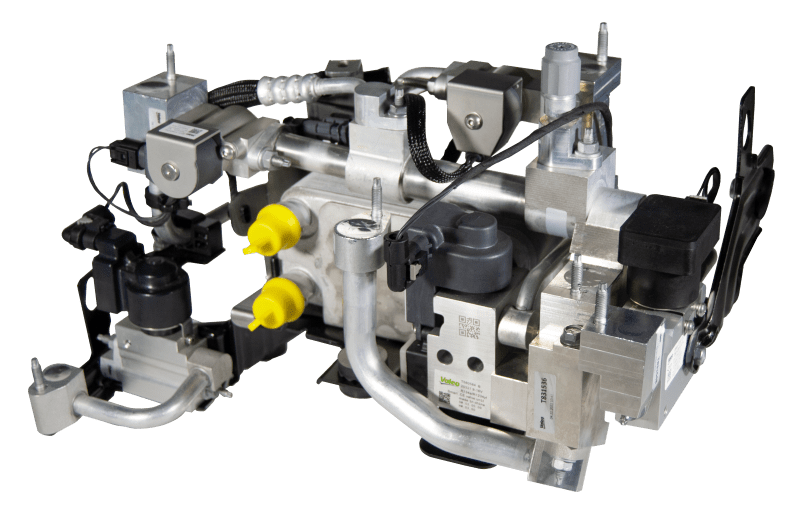

Modern EVs combat weather effects using:
• Heat pumps
Improve winter cabin heating using far less energy.
• Liquid battery cooling
Prevents overheating and improves charging efficiency.
• Battery preconditioning
Ensures optimal temperature before charging sessions.
• Smart energy management chips
Dynamically adjust battery output based on temperature.
• Predictive thermal controls using AI
Some EVs preheat/cool the battery based on your navigation destination.
Weather-related challenges are rapidly improving with every new generation of EV technology.
RoadTechHub Verdict: Weather Matters — But It’s Manageable
While temperature extremes can affect range, charging speed, and performance, today’s EVs are far more resilient than early models. With proper management, most drivers can maintain excellent battery health and dependable range year-round.
Cold weather: Expect more range loss and slower charging
Hot weather: Expect more battery stress and reduced fast charging
But with simple strategies — preconditioning, smart charging habits, and careful battery management — EVs perform reliably in every season.
EVs aren’t limited by weather — they simply require smarter energy management.