

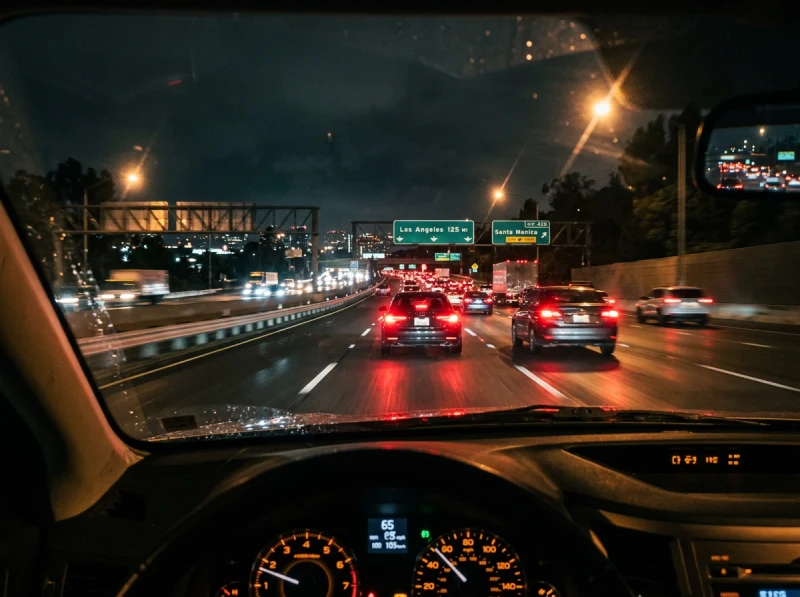
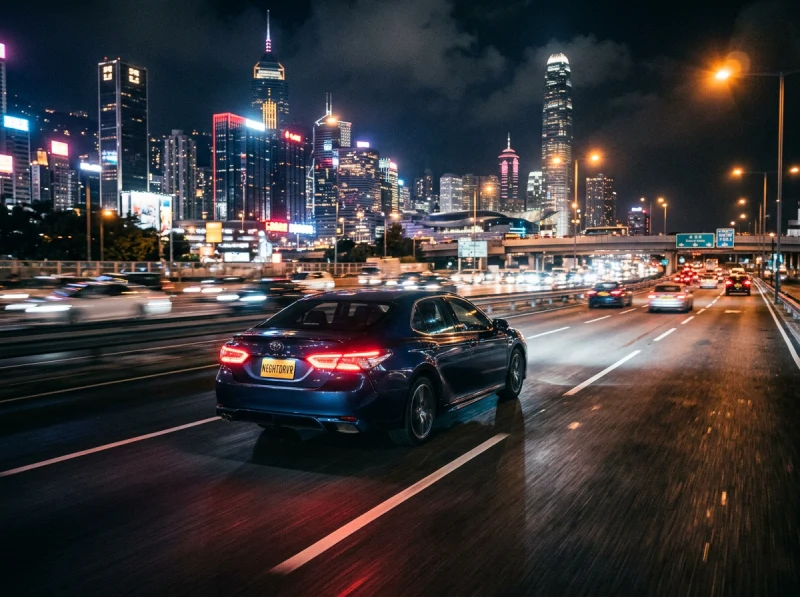
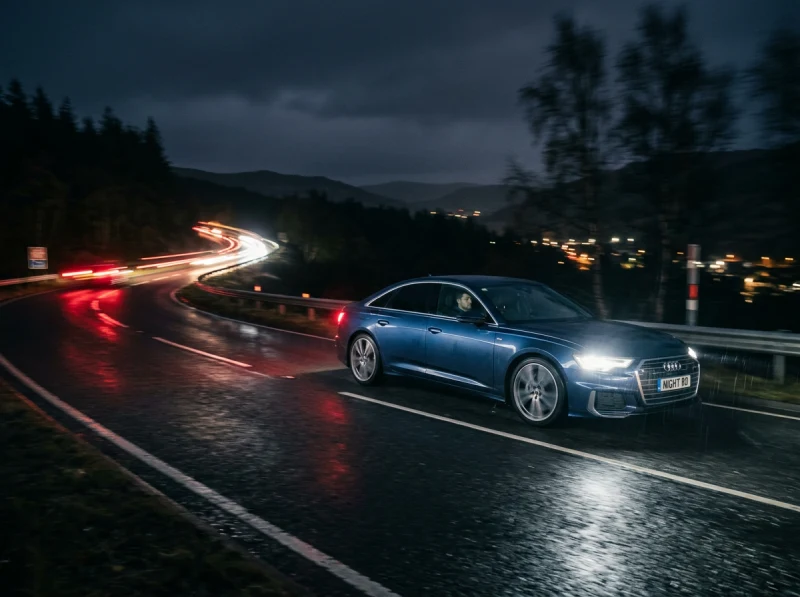
Driving after sunset presents a unique set of challenges that many motorists underestimate. Reduced visibility, glare from oncoming headlights, tiredness and changing weather conditions all make night-time journeys more demanding than driving during the day.
While modern vehicles offer improved lighting and advanced driver assistance systems, safe night driving still depends largely on preparation, awareness and good driving habits.
Whether you’re commuting home, travelling on rural roads or setting off on a long motorway journey, a few simple adjustments can significantly improve your visibility and reaction time.
1. Make Sure You Can See Clearly
Your eyes are your most important safety feature when driving at night. Dirty windscreens, worn wiper blades and cloudy headlights can dramatically reduce visibility.
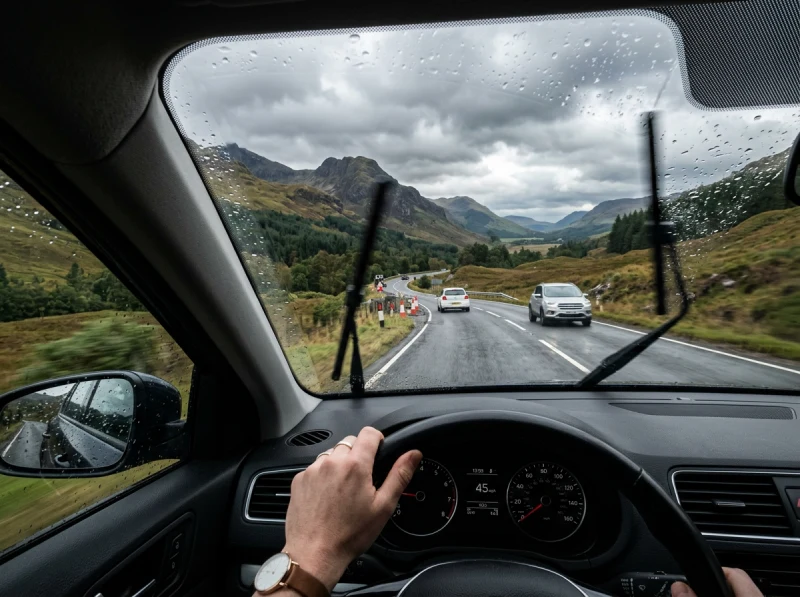
Before setting off:
- Clean both sides of your windscreen.
- Remove dirt from headlights and rear lights.
- Check washer fluid levels.
- Replace worn wiper blades.
2. Reduce Speed And Increase Your Following Distance
At night you simply cannot see as far ahead as you can during daylight hours. Slowing down gives you extra time to identify hazards including wildlife, pedestrians and broken-down vehicles.
Increasing your following distance also provides more room to react if the vehicle ahead brakes suddenly.
Always drive at a speed that allows you to stop safely within the distance you can clearly see ahead.
Safety Tip
3. Manage Glare From Other Vehicles
Bright headlights are one of the biggest causes of night-time driver fatigue.
To minimise glare:
1. Avoid looking directly at oncoming headlights.
2. Look slightly towards the left edge of your lane.
3. Use your rear-view mirror’s night mode where available.
4. Keep your windscreen clean to reduce light scatter.

These simple techniques help maintain better night vision without becoming distracted.
Feeling Tired Behind The Wheel?
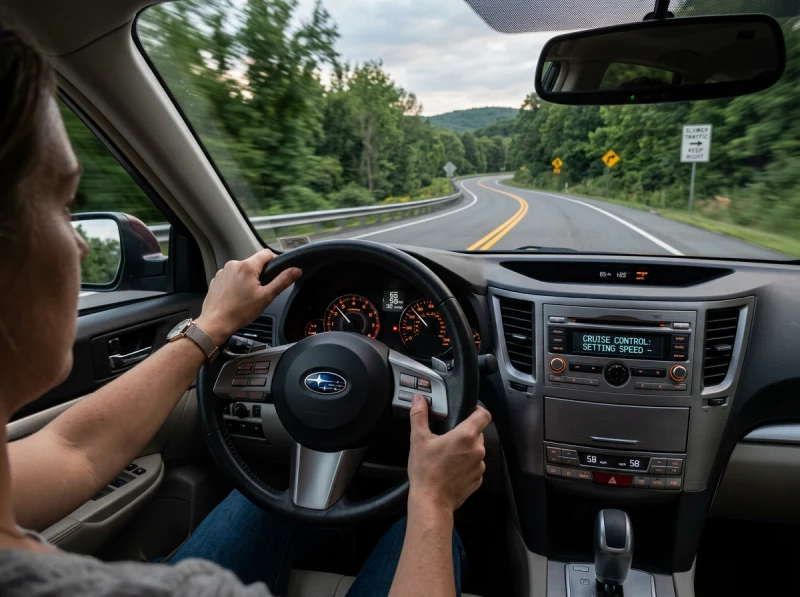
Fatigue is one of the leading contributors to night-time accidents. If you begin yawning frequently, struggle to focus or drift within your lane, pull over somewhere safe and take a break.
 Jenna MillerRoad Tech Hub Reader
4. Use Your Headlights Correctly
Many drivers unknowingly reduce visibility by using incorrect lighting.
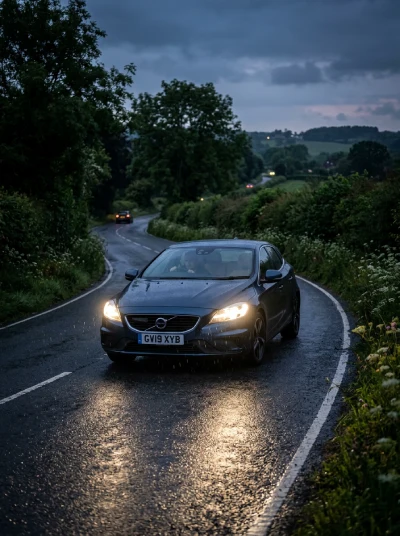
Use dipped headlights whenever required, switch to full beam only when appropriate and remember to dip them again for approaching traffic.
Check your headlight alignment regularly, especially after replacing bulbs.
5. Watch For Hazards You Wouldn’t See During The Day
Night driving often means encountering hazards later than expected.
6. Consider Technology That Improves Safety
Modern driving technology can make travelling after dark considerably safer. A reliable dash cam also provides valuable evidence should an incident occur after dark.
Useful features include:
- High-quality dash cams
- Automatic high beam assistance
- Blind spot monitoring
- Lane departure warning
- Emergency braking systems
Final Thoughts
Driving safely at night isn’t about travelling more slowly—it’s about driving more intelligently. Preparing your vehicle, improving visibility, managing glare and staying alert all contribute to safer journeys.
Even experienced drivers benefit from adjusting their driving habits once the sun goes down. By following these simple tips, you’ll reduce risk and feel far more confident whenever you’re behind the wheel after dark.