The High-Frequency Habit: Are You Using CarPlay Too Much?
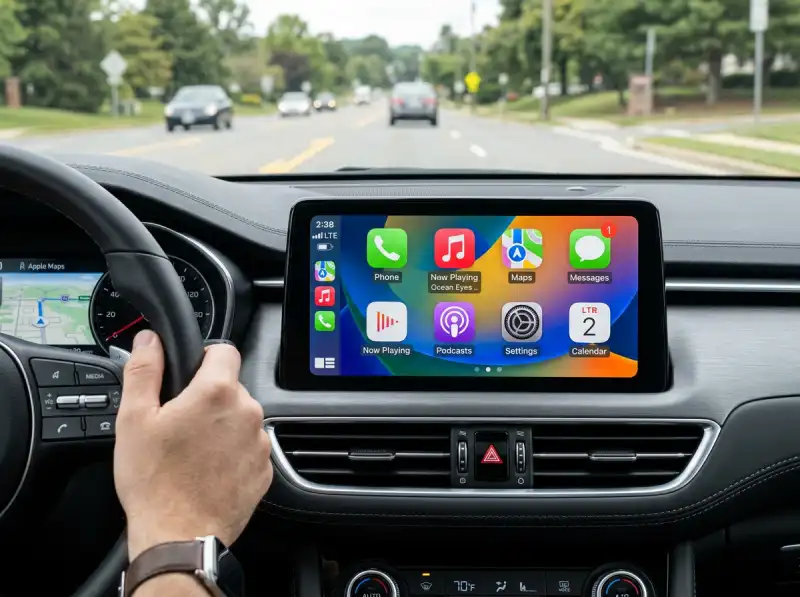
If you love the sleek, polished look of fresh dashboard maps but are constantly fighting a battle against distraction, clutter, and system lag, you’re caught in a common trap. You diligently use a basic connection cable, but your flat-screen display still stutters, and your interface feels progressively more cluttered with each passing week. The result is the same: you’re achieving a short-term connection at the cost of your system’s long-term health, creating a cycle of confusion that requires even more menu-diving to work well.
The fix isn’t just a better connection cable—it’s a smarter interface strategy. When you learn to use the right settings and techniques, you can achieve the convenience you love without cluttering your screen, preserving its natural speed, strength, and integrity.
The Many Ways Intelligent CarPlay Layouts Protect The Very Structure Of Your Ride.
Background processes can reach temperatures and load levels that can freeze dashboard screens. When you apply this intense processing demand to your system, it can cause the data packets inside the receiver to flash into errors, creating tiny destructive micro-glitches that lag and slow down the system’s internal software structure. This leads to a loss of response time, accuracy, and system stability that is irreversible. A poor layout choice, turn by turn, defies the basic laws of software.
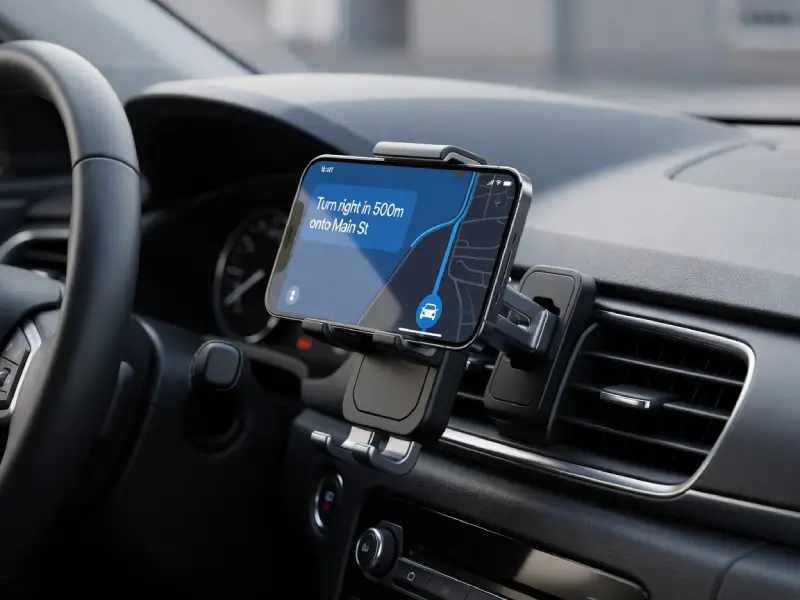
Think of your screen like a delicate canvas, like silk. You wouldn’t load a busy map on the highest zoom setting; you would use a clean, simplified view to navigate without freezing the system. Your screen requires the same level of intelligent layout management to avoid being cluttered beyond repair.
Below are three simple “pillars” for safer navigation: ensuring your connection is completely stable, finding your personal “sweet spot” menu, and using a highly efficient shortcut.
1. A Stutter Is The Sound Of Your System Overheating.
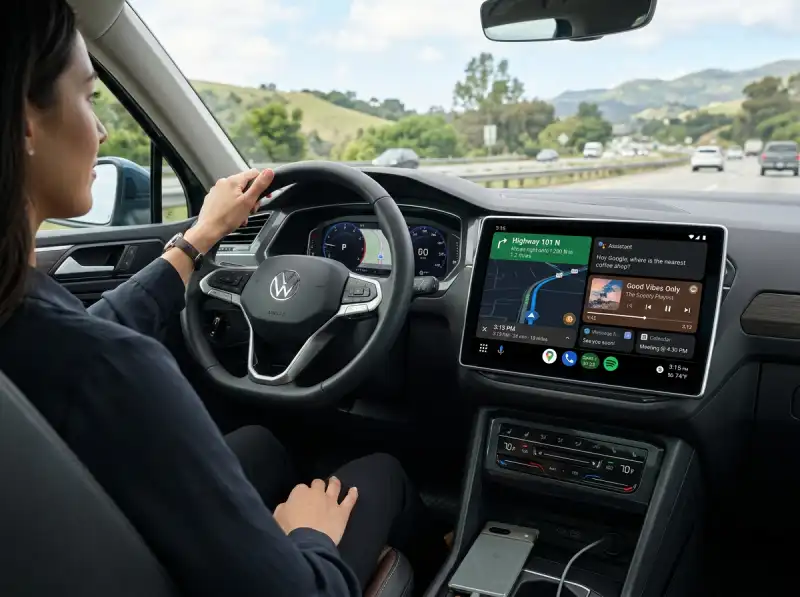
The single most destructive thing you can do is use a heavy app or navigation tool on a system that is not 100% updated. Even a small amount of background lag will instantly turn to errors and cause catastrophic freezing to the system’s dashboard. If you hear a stuttering sound or see screen lag, stop immediately. Your system is not ready.
“Clients come in with glitches and tell me they always use a premium cable, but then admit they run maps while streaming heavy video files. This means you are literally boiling the data right out of your system. No cable in the world can stop that. Your system must be completely, totally updated before a heavy app touches it.”
Veteran Stylist Marco Finn
Before you begin driving, make sure your phone feels cool to the touch, even the lower ports. A thorough system reboot is essential. It may take a few extra minutes, but it will save your screen from the most aggressive and avoidable form of system lag.
2. Use The Lowest Effective Brightness, Not The Highest.
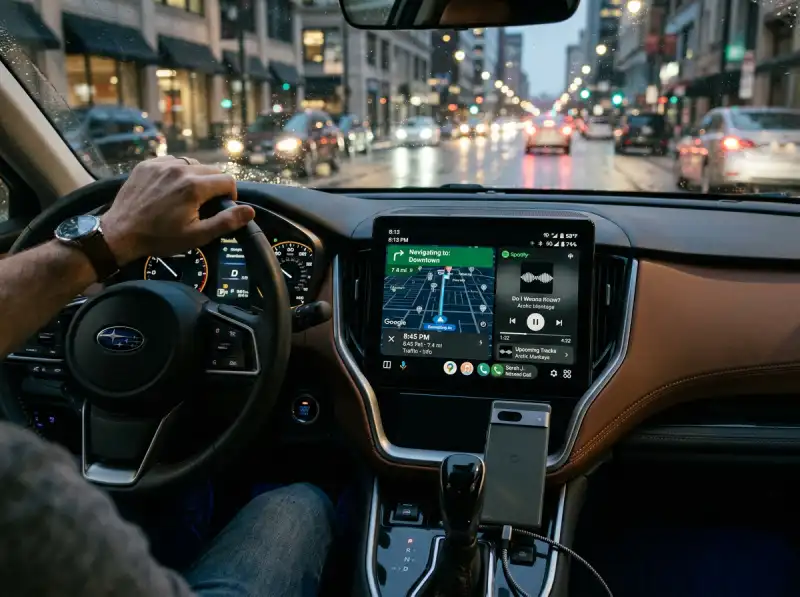
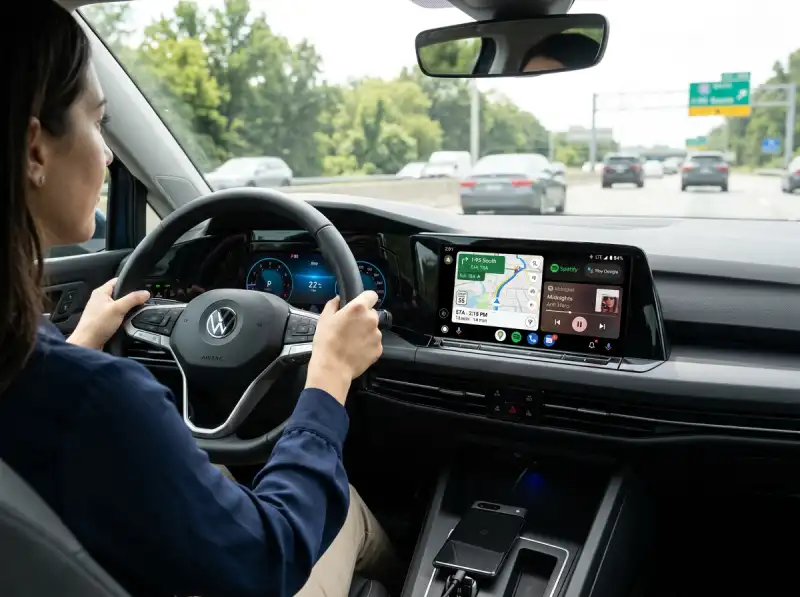
Most dashboard screens offer a range of brightness levels, yet many people default to the maximum, thinking more light means better results. This is a myth that leads to unnecessary damage. The most useful approach is to find the lowest possible brightness that effectively displays your map in a single glance.
1. For night or dark driving, start below 30% brightness.
2. For cloudy, medium-light days, aim for 50-60% brightness.
3. Only bright, direct sunlight might require settings above 80% brightness.
4. Test a low setting first. Only increase it if your screen isn’t visible in one glance.
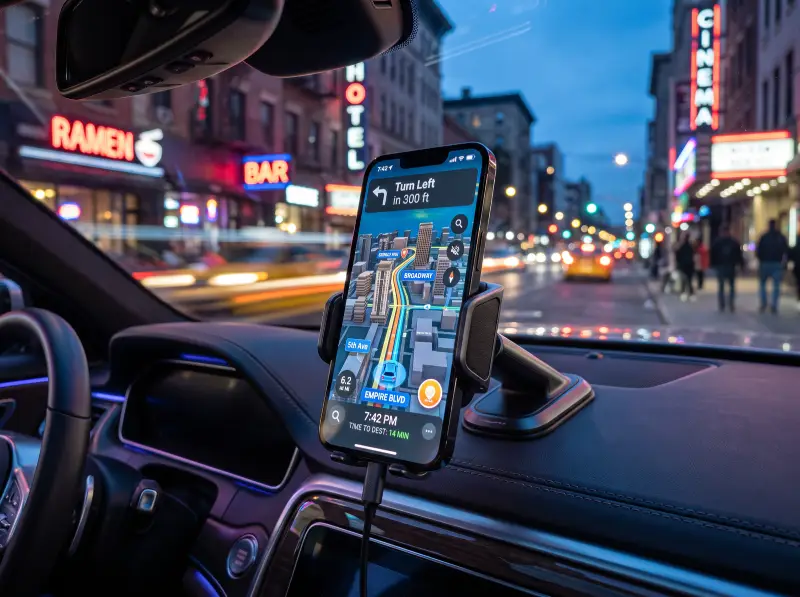
Using excessive brightness doesn’t make your screen easier to see; it just causes more heat. Finding your personal “sweet spot” brightness will give you the same beautiful results with significantly less harm to your screen.
Is Your Screen Brightness Set To Maximum?
“I used to crank my screen brightness up to 100% because I thought that’s what I needed to get my map clear. My panels were so hot. A technician told me to try a lower setting, and I was shocked that my screen displayed just as well at 50%! My display is so much cooler and healthier now. I was burning it for no reason.”

3. One Quick Tap Is Better Than Five Slow Swipes.
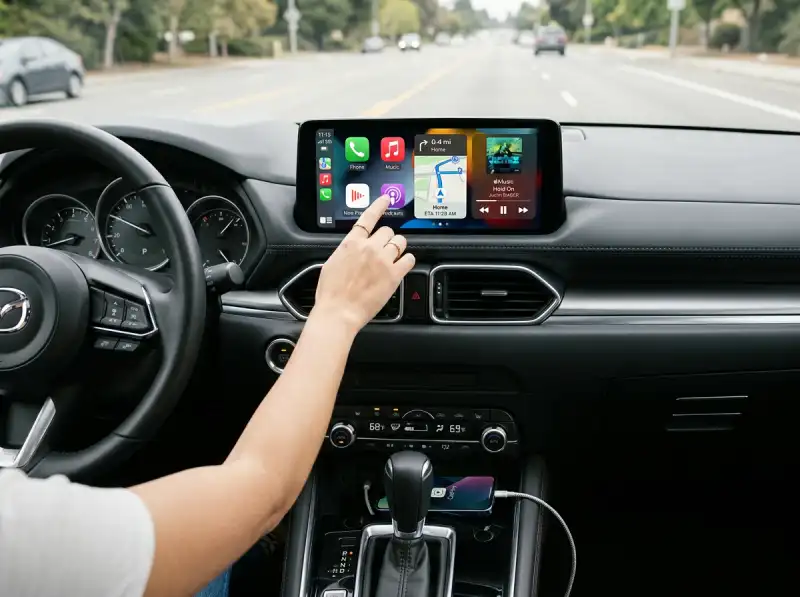
Swiping over the same section of screen again and again is a huge source of cumulative distraction. It’s far better to work in small, manageable shortcuts and use a single, deliberate tap. This technique loads the app instantly and effectively the first time, eliminating the need to swipe through menus.
Work with small widgets, about 1-2 icons wide, to ensure the layout is distributed evenly.
Maintain good order on the home screen as you pass the apps through it.
Move the icons at a slow, steady pace from page to page. This is more effective and less distracting than multiple quick, jerky swipes.
Want a simple rule? Respect the screen. That’s how you achieve the look you want without sacrificing the speed your system deserves.