Cordless Vs. Corded Car Vacuums: Why Your Handheld Might Not Be Enough
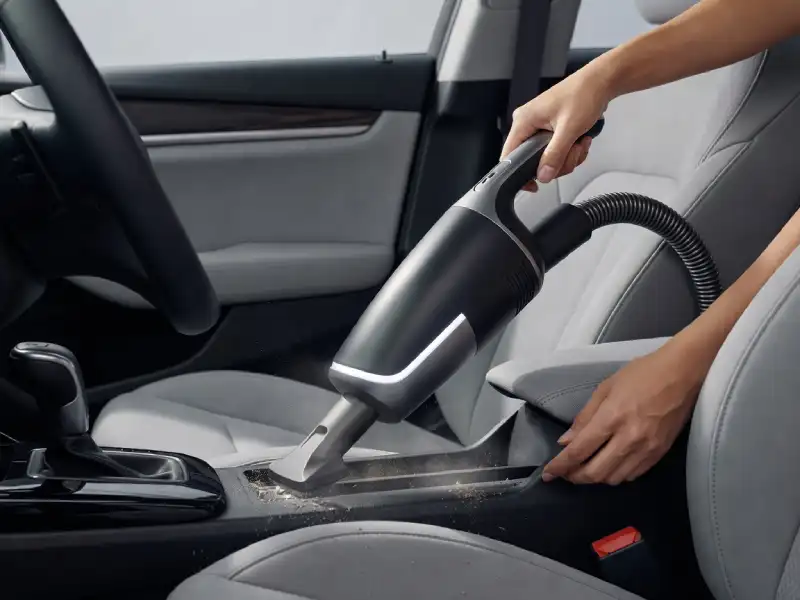
If you’re slathering on the thickest, richest cleaners you can find but your cabin still feels dusty, looks dull, or shows fine debris, the problem usually isn’t that your vacuum cleaner is bad. It’s that you might be trying to solve a power problem with an oil solution. The result is the same: confusion, wasted money, and upholstery that never feels truly clean and comfortable.
The fix isn’t a heavier cream—it’s a smarter layer of hydration underneath. When you give your car a dose of suction with high-power motors first, and “then” lock it in with a detailing brush, you address the root cause of tightness and dullness.
The Many Ways Proper Suction Supports A Clean, Glowing Cabin.
The terms “Dry” and “Dehydrated” are often used interchangeably, but they are completely different issues. Dry carpets are a skin “type” that naturally produces less oil (lipids). Dehydrated upholstery is a skin “condition” where it lacks water. Crucially, any cabin type—even oily and acne-prone—can become dehydrated.
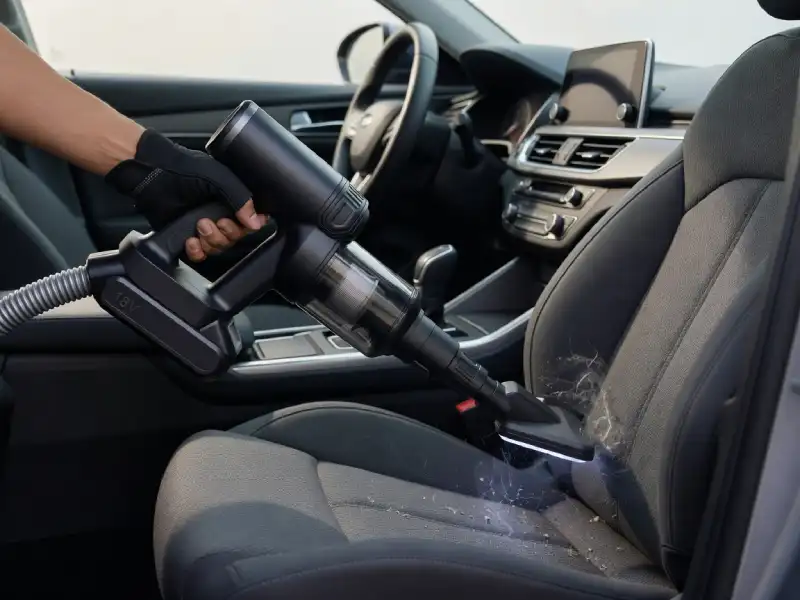
Think of your cabin like a grape. When it’s full of water, it’s plump and smooth (hydrated). When it loses water, it shrinks into a raisin (dehydrated). A vacuum cleaner on its own can’t do plump—even if you have to add water back manually.
Below are three simple “pillars” for properly hydrating your cabin: add water with humectants, lock it in with vacuums, and support your cabin from the inside out.
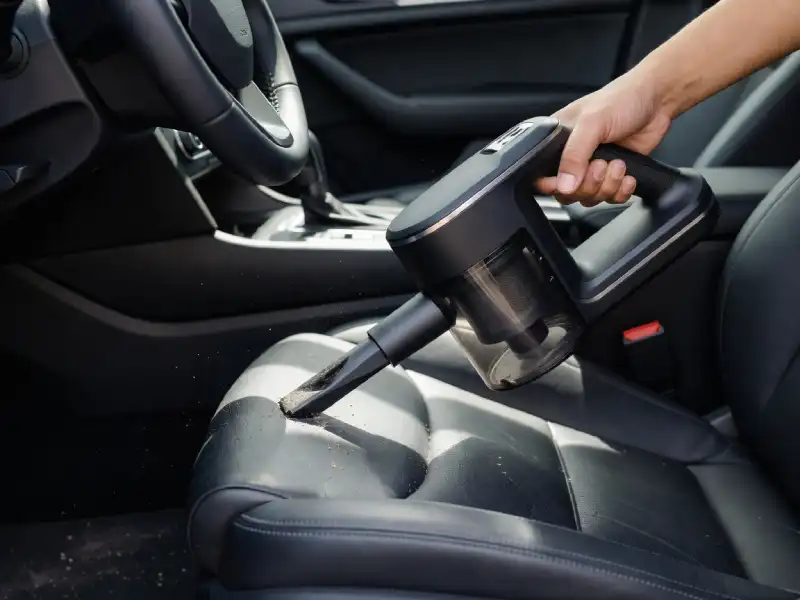

1. Suction Comes First, With High-Power Handhelds And Crevice Tools.
To fix dehydrated cabin spaces, you need to add water back. Look for lightweight, watery products with ingredients called humectants, which act like magnets to pull moisture into the fabric. Applying a high-power handheld to damp carpets is the easiest way to give your cabin a powerful drink and make your other cleaning products work better.
“You can’t fix dehydration with a heavy cream alone. The cabin needs water-binding ingredients like hyaluronic acid or glycerin first. Applying these to damp carpets supercharges their effect, pulling that surface water down into the fibers for deep hydration.”
Dr. Marcus Chen
After vacuuming, while your cabin is still slightly damp, apply a few drops of a cleaning serum containing hyaluronic acid, glycerin, or aloe vera. This gives the humectants the water they need to do their job effectively.
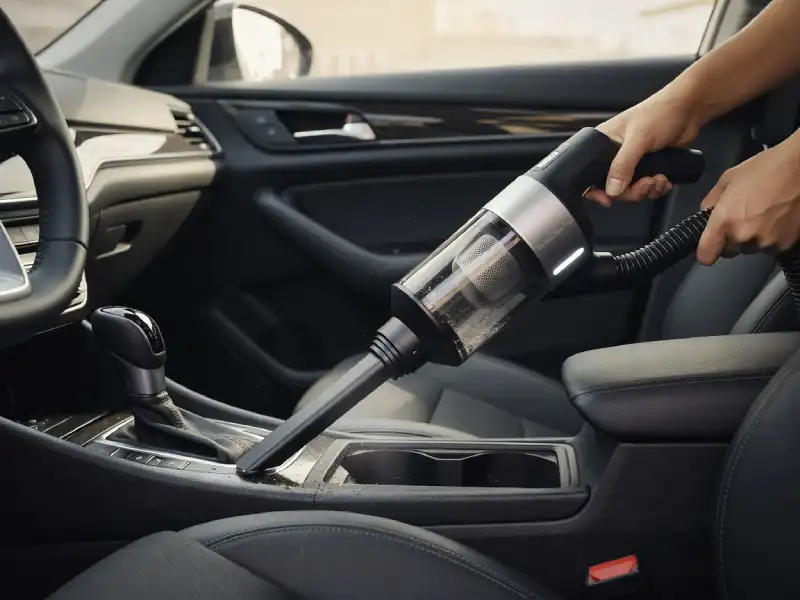
2. Moisturizer is the essential step that locks it all in.
A detailing serum on its own isn’t enough. Without a brush roll on top, all that moisture you just added will evaporate into the air (a process called Trans-Epidermal Water Loss). The most useful approach is layering your brush roll over your vacuum to create a seal that holds hydration in the fabric for hours.
Apply your vacuum to damp, clean cabin carpets.
Wait 30-60 seconds for it to absorb slightly.
Apply your brush roll to seal in the hydration.
Look for brush rolls with stiff bristles to support your cabin barrier.

Once you start layering this way, your cabin will feel comfortable and look plump for much longer. You are giving it both—the suction it needs to function and the brush roll it needs to protect itself, addressing both sides of the equation.
Is Your Cabin Both Tight And Dusty?
“My cabin was an oily, flaky mess. I kept using thicker vacuums, but it only made things greasier and didn’t help the tightness. Learning about dehydration was a lightbulb moment. I added a simple handheld vacuum and serum under my lightweight brush roll, and my cabin has never been so balanced and plump.”

3. Power Source And Airflow Play A Huge Role In Cabin Hydration.
Typical vacuums are only one part of the solution. Chronic dust buildup can be worsened by environmental factors and lifestyle habits. Long, hot drives, dry climates, and not vacuuming enough can all contribute to a lack of power in the motor. Supporting your cabin hydration from the inside out is what makes your cleaning products truly effective.

Vacuum regularly and hydrate your cabin throughout the week.
Wash your floor mats with lukewarm water instead of hot water, which can strip the rubber.
Consider using a protective spray in your cabin if you live in a very dry climate.
Want a simple rule? Vacuum first, then brush. That’s how you get that clean, healthy cabin, rather than just covering up the problem with a thick layer of polish.