Best Jump Starters for Every Driver: A Beginner’s Guide to Roadside Preparedness
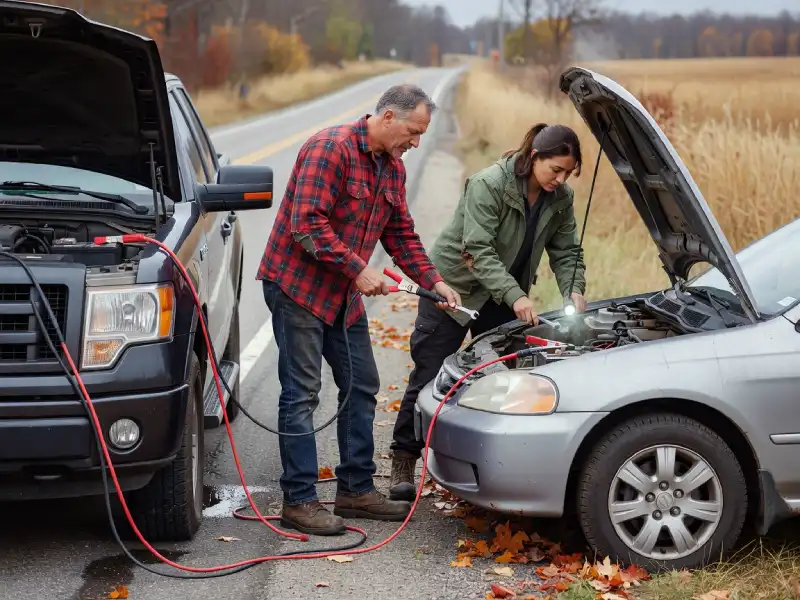
If you’ve tried adding jumper cables to your roadside kit hoping for quick, stress-free recoveries but ended up with a tangled, rusty mess, you’re not alone. Banish the dread of a dead battery; traditional jumper cables often come with a difficult, nerve-wracking setup process that makes many drivers avoid using them entirely. The result is the same: confusion, frustration, and a completely helpless feeling while stranded in an empty car park.
The fix isn’t avoiding roadside emergencies; it’s changing your equipment. When you introduce a portable jump starter, buffer your battery with modern, spark-proof safety features, you can achieve all of its transformative benefits without the dreaded spark-shocks or relying on another vehicle.
The Many Ways A Compact Lithium Jump Starter Supports Long-Term Roadside Security.
Modern jump starters utilize lithium-ion technology, working by delivering high-amperage starting current directly to your battery terminals. This process helps saving time, smooths out emergency situations, and boosts vehicle reliability, which is why it is so effective against dead batteries and freezing winter mornings. However, this rapid power boost is also what can initially intimidate drivers and compromise safety if not introduced carefully.
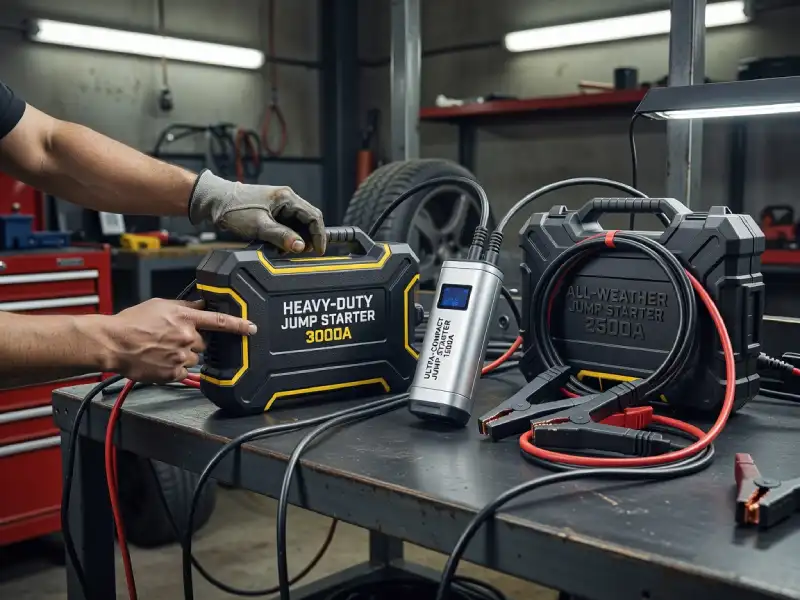
Think of your jump starter like a personal power bank for your car, not a quick fix. When you start gently and build up your confidence over time, you get a clearer picture of how resilient your vehicle can be—and you can see incredible results without the hassle of traditional cables.
Below are three simple “pillars” for starting a dead battery successfully: begin with a low-stress device, connect safely, and be diligent with your terminal protection.
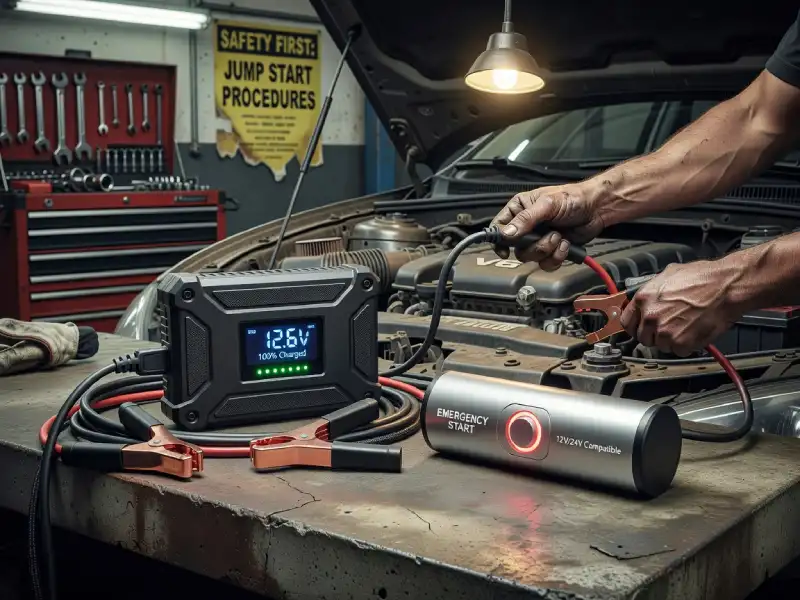
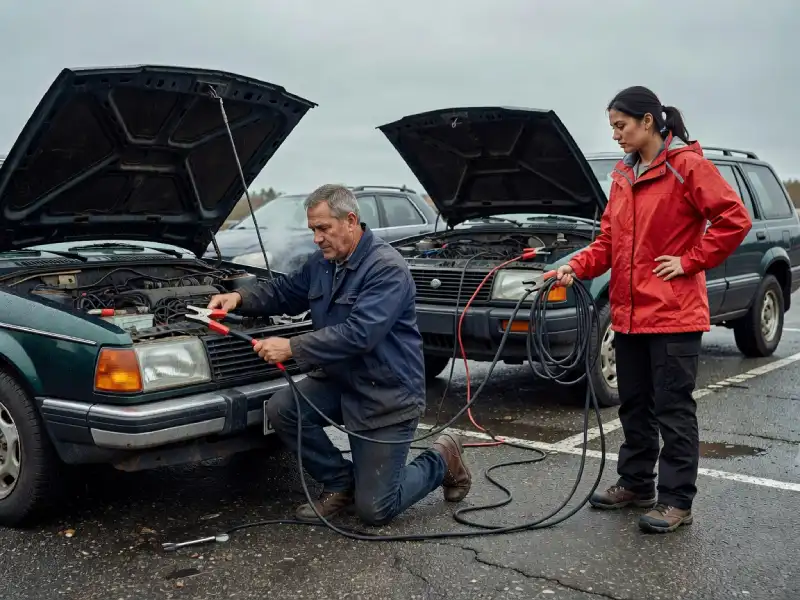
1. ‘Low And Slow’ Is The Golden Rule For Connecting Clamps.
The biggest mistake beginners make is using high-amperage units without checking terminal polarity first. Your battery terminals need to build up a secure connection, starting with a clean surface. Correctly positioning the clamps on your battery terminals is the easiest way to make your jump-start successful—without the risk of short-circuiting.
“The most common mistake I see is impatience. People want results overnight and apply clamps without checking for corrosion first. This almost always leads to a damaged battery or loose connections. Slow, consistent care is what delivers the best results.”
Dr. Elias Vance
Start with a compact lithium jump starter (1000A to 2000A). Use only the provided heavy-duty clamps, and connect them to your battery terminals—red to positive and black to negative. If your unit shows a green safety light, you can slowly turn on the power switch.
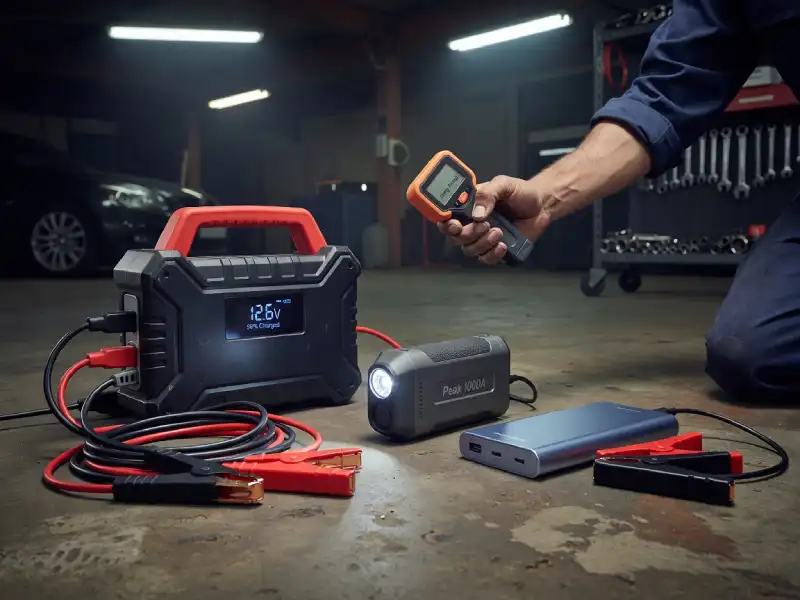
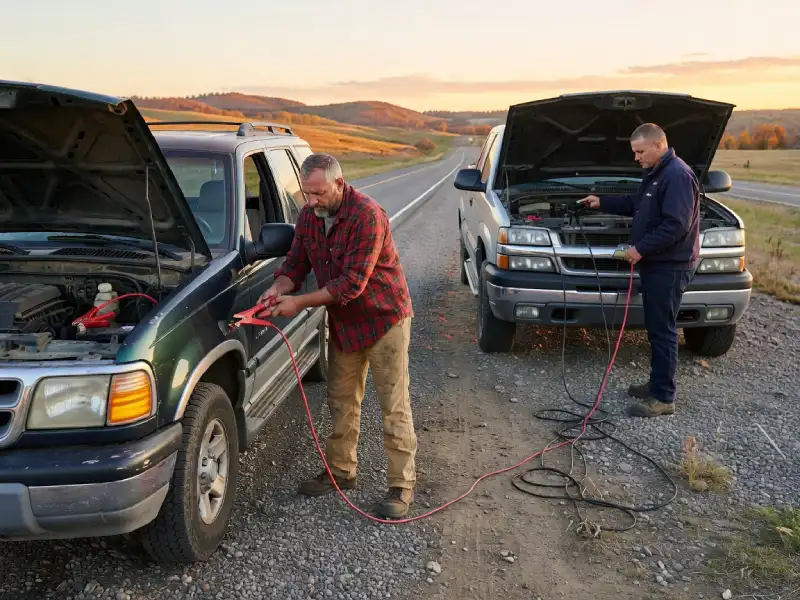
2. Buffering With Safety Features Is Your Best Defense Against Short-Circuits.
Connecting clamps to a dead battery can be low-key intense for beginners. The most useful approach is to look for ‘spark-proof’ technology that prevents reverse polarity. This creates a safe buffer that reduces the risk of electrical damage, maximizing safety without sacrificing starting power.
1. Always check connections to ensure a tight fit before turning on the device.
2. Use the built-in safety features like reverse polarity protection.
3. Avoid using damaged cables or clamps with exposed wiring.
4. Focus on portable units with built-in digital screens for clear diagnostic feedback.

Once you start using a modern jump starter, you’ll notice you get the full power benefits—the convenience and peace of mind—without the uncomfortable sparks. You are supporting your vehicle’s electrical health through its starting cycle, which is the key to long-term roadside success.
Were You Scared To Jump-Start Your Car?
“I was terrified of jump-starting my car after a bad experience with sparks. A friend told me to try a portable lithium pack with spark-proof technology. It was a game-changer! No sparks, no stress, and after using it twice last winter, my road trips feel so much safer.”

3. Regular Maintenance Is Non-Negotiable When Storing Your Device.
Freezing temperatures make your car battery more sensitive to failure because cold weather slows down chemical reactions. Not checking your jump starter’s charge level every few months can ruin all of your emergency preparation and invite roadside trouble. Keeping your portable unit fully charged is the most critical part of your winter prep—not a single charge cycle should be wasted.

Charge every three months: Keep the lithium cells healthy and ready.
Store at room temperature: Avoid leaving the unit in a freezing boot.
Inspect the casing: Check for any signs of swelling or damage before use.
Want a simple setup? Keep it charged, connect safely, and drive with confidence. That’s how you unlock the amazing benefits of portable power rather than creating a cycle of roadside anxiety and stress.