How Much Does It Really Cost to Charge an Electric Car? A Complete Guide to EV Energy Bills
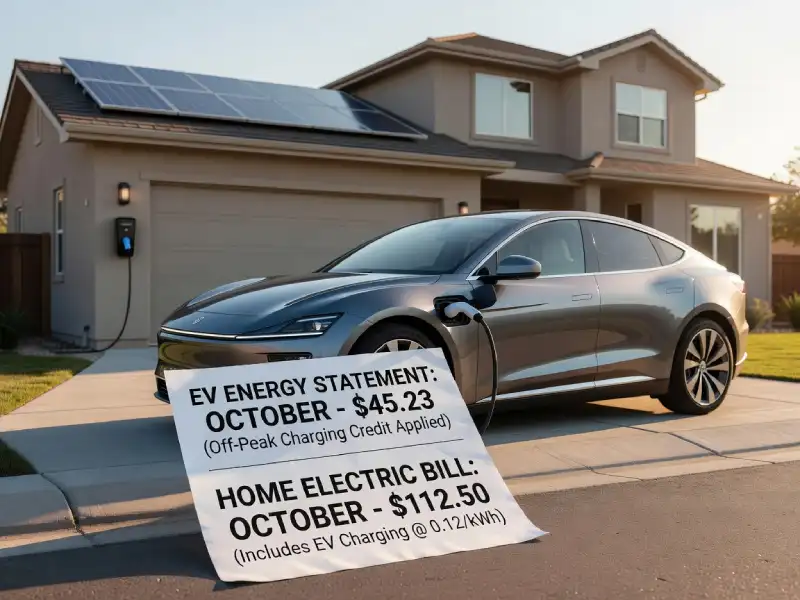
Your monthly driving budget might feel like a house crammed with junk—a confusing mix of home electricity bills, varying public charger tariffs, and hidden network connection fees that demand your attention. The problem isn’t that electric cars are inherently expensive to run; it’s that you’re drowning in a sea of changing rates and peak-hour pricing structures. The result is the same: a mild headache from trying to calculate your actual cost-per-mile, a fragmented budget, and the nagging feeling that you’re paying more than you should.
The fix isn’t a complicated new budgeting app—it’s a digital shift in how you charge. When you intentionally route your vehicle’s charging to off-peak hours and manage your home tariff, you create an environment of predictable savings that allows you to use your electric car as a tool to cut costs, not increase them.
The Many Ways A Smart Charging Strategy Supports Financial Peace Of Mind And Reduces Stress.
Every public charging session, rapid charger transaction, and peak-hour home charge is a micro-transaction that your bank account has to process. This creates a constant “cognitive load” that drains your financial confidence and makes it difficult to concentrate on the massive savings that EVs can actually deliver. Hidden charging costs aren’t just a budget issue; they’re a source of chronic, low-level driving anxiety.
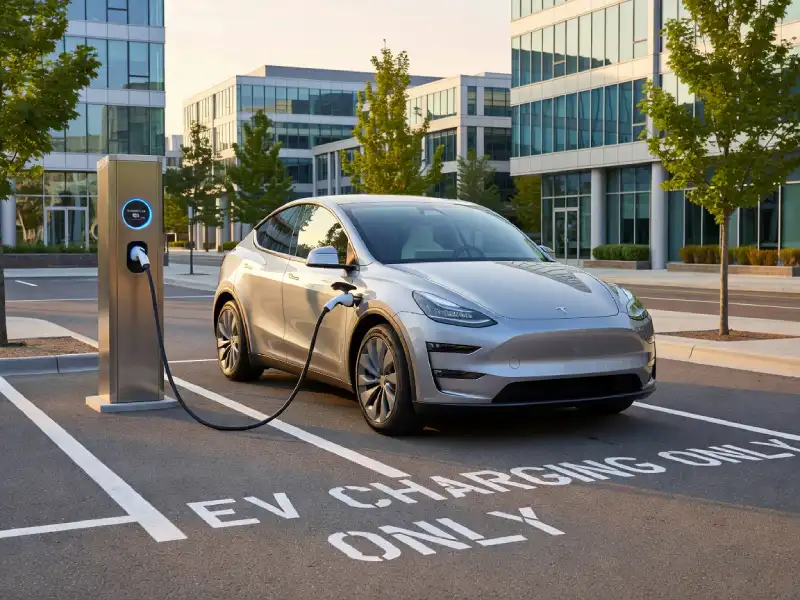
Think of your car’s battery like your home’s hot water tank. When it’s filled during cheap, overnight hours, your wallet stays happy and ready for the road. When you top it up during peak evening hours, your utility bills jump just as sharply.
Below are three simple “pillars” for a cheaper charging routine: reclaiming your home garage, curating your public charging apps, and creating a system for your monthly utility bills.
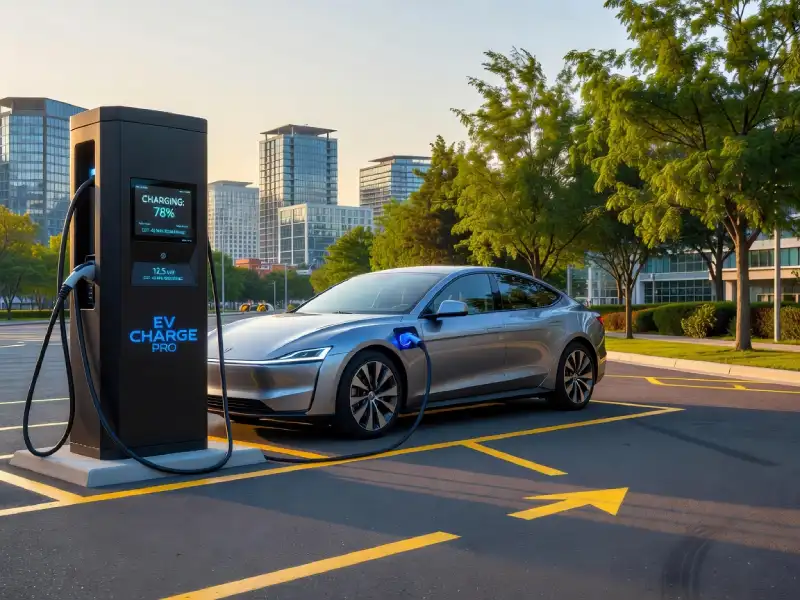
1. Public Rapid Charging Is A Delivery System, Not A Daily Solution.
An over-reliance on public rapid chargers creates a sense of financial obligation and anxiety. The goal isn’t necessarily “zero public charges,” but rather a system where aggressively minimizing high-cost public plug-ins is the first step to stopping the budget drain and making room for what’s important: cheap home energy.
“We treat public fast chargers like petrol stations where anyone can stand and pay premium rates all day. You have to reframe public charging as a backup tool: use it when traveling, pay the premium, and then walk away. You don’t stand at a public charger every single day.”
Catherine Bell
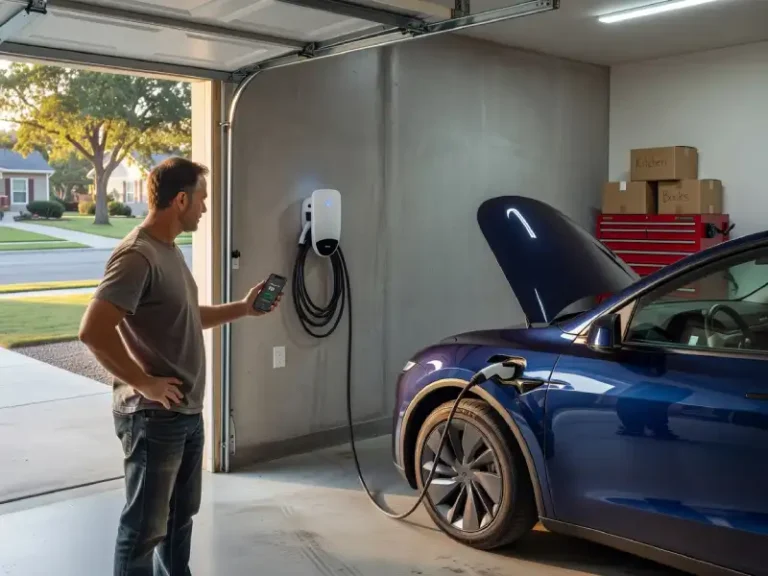
Set aside two specific times a week to plug in at home overnight. For each home charge, decide immediately to schedule it via your charger’s app. If it takes under five minutes to set up, do it immediately, or leave it to a smart timer if it requires more scheduling. This stops charging costs from lingering in your mind all day.
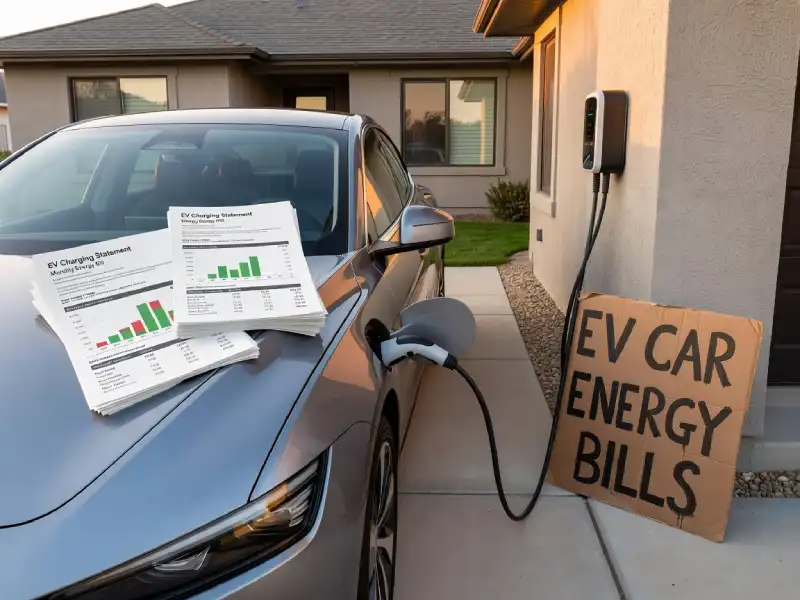
2. A Dedicated EV Electricity Tariff Is A Gateway To A Calmer Mind.
Your home’s electricity meter is prime real estate. If it’s filled with standard flat-rate pricing, you will waste money every time you plug in. The most useful approach is to treat your home power like a tool, containing only the low-cost overnight hours you need for daily driving, not the expensive daytime rates.
1. Turn off high-power home appliances during your vehicle’s scheduled charging window.
2. Move your vehicle’s charging start time to a folder on your phone’s smart charger app.
3. Delete public charging apps you haven’t used in the last three months to avoid subscription fees.
4. Set your charger to trickle-charge when you have excess solar power to make it virtually free.
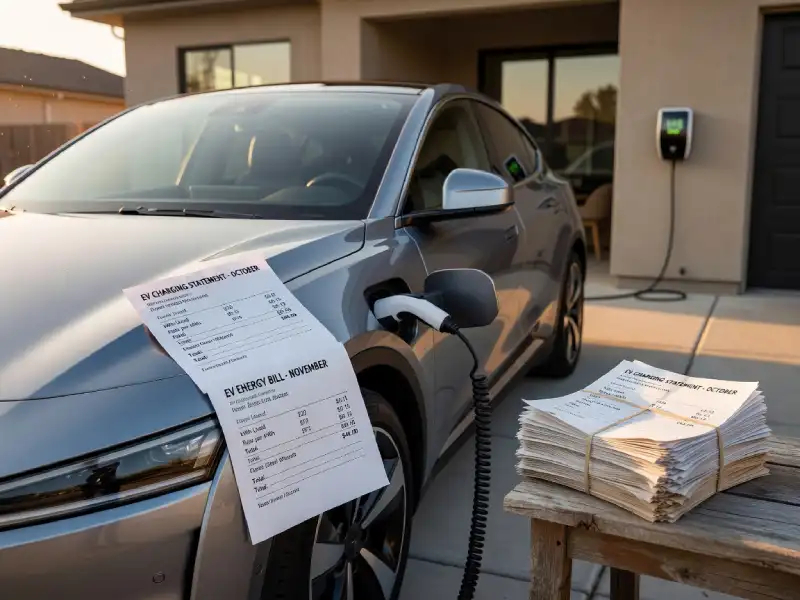
Once you stop your car from being a constant source of high-cost public charging bills, you’ll feel a dramatic shift. You’ll start to use public rapid chargers with intention, pulling up to them for a specific road-trip need rather than being forced there by a dead battery.
Does Your Monthly Charging Bill Feel Overwhelming?
“My glovebox was a mess of random RFID cards and my bank statement had dozens of different public charging transactions. I spent one Saturday morning switching to an EV-specific home tariff and deleting old charging apps. The sense of relief was incredible; I finally feel like I know exactly what my car costs to run.”

3. A Simple Home Charging Routine Is The Key To Long-Term Financial Sanity.
A garage cluttered with random charging cables and unmonitored power draw is a symptom of not having a system. You don’t need a complex spreadsheet; you just need a simple, consistent habit. Scheduling a dedicated home charging window every week removes the mental energy you waste searching for open public plugs and deciding where to charge.
Create a dedicated folder on your phone for “Charging Apps” and “Utility Portals.”
Use your home charger’s app only for “Scheduled Charging” so you only pull power during off-peak windows.
Set a clear and consistent naming system for your charging expenses (e.g., “EV_Energy_July_2026”).
Want a simple rule? Charge overnight, track your home tariff, and skip public stations when you can. That’s how you create a charging routine that serves you, rather than one that drains your wallet.