The Battery Degradation Myth: How EV Pack Longevity Actually Works
Electric vehicle shoppers often look at battery degradation charts and assume their car’s battery pack is a ticking time bomb destined to fail after just a few years of driving. The problem isn’t that modern lithium-ion cells are fragile; it’s that we treat them like the batteries in our old smartphones. The result is the same: unnecessary range anxiety, fear of massive replacement bills, and a hesitation to make the switch to a cleaner, more efficient way of driving.
The fix isn’t to avoid buying an EV—it’s to understand how battery management systems protect your investment. When you learn how battery chemistry actually degrades over time and how to manage it, you protect your vehicle’s long-term value and enjoy peace of mind for hundreds of thousands of miles.
The Many Ways Modern Battery Management Systems Support Pack Longevity And Deepen Your Range.
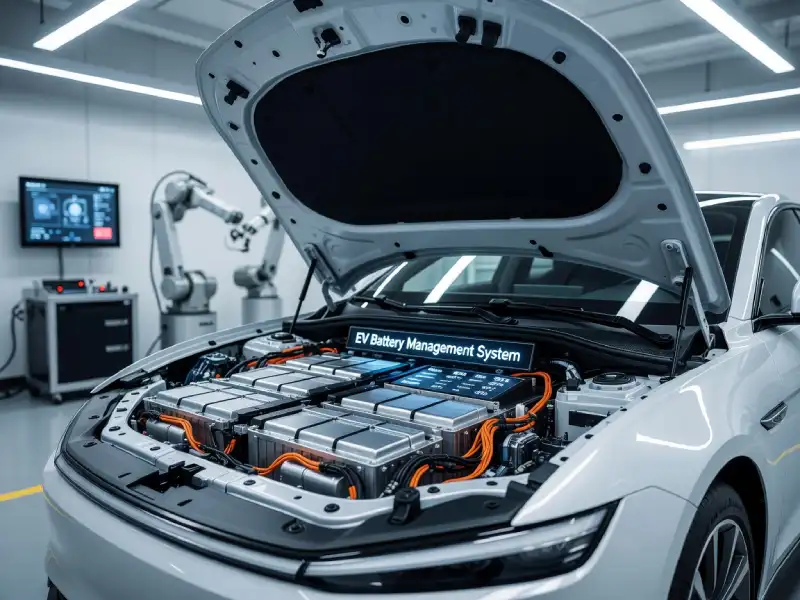
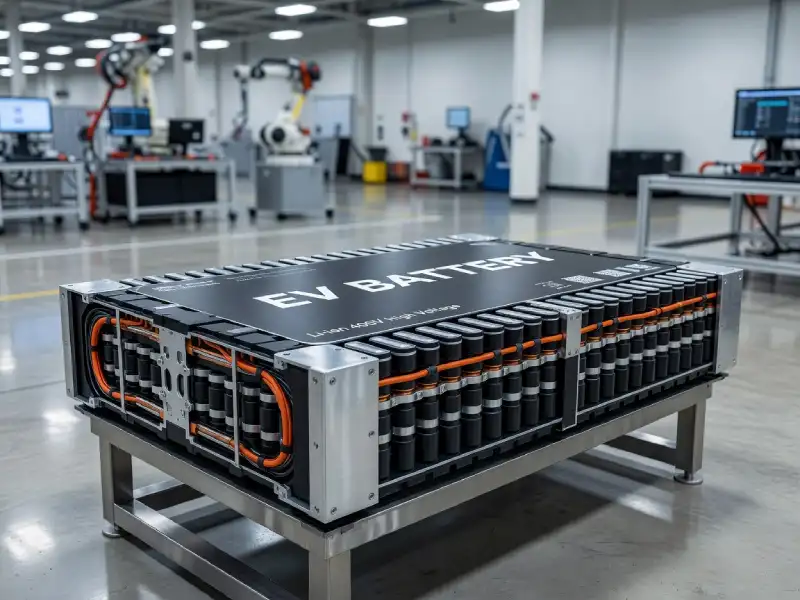
Battery anxiety often comes from a lack of clear information—we associate modern electric cars with our laptops, which lose capacity rapidly. But an EV battery pack is a highly sophisticated thermodynamic system. The built-in thermal management systems don’t just protect the cells from extreme temperatures; they actively balance the voltage across thousands of individual cells to prevent premature wear.
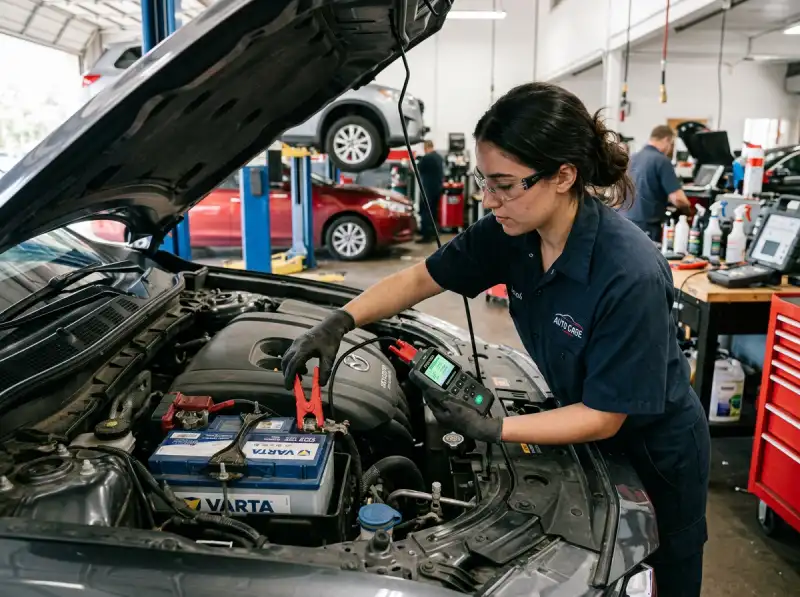
Think of your car’s battery pack like a long-term retirement fund. Every charging cycle is a minor transaction, but when you manage it wisely, you avoid draining the principal balance prematurely. A smart charging routine is the best tool for responsible battery preservation.
Below are three simple “pillars” for reclaiming your battery’s lifespan: understanding that heat is the real enemy, practicing healthy charging limits, and reframing fast-charging as an occasional tool rather than a daily habit.

1. Keeping Your Battery At 100% Is Worse Than Occasional Fast Charging.
We often charge our cars to 100% to avoid running out of range, but leaving a battery sitting at maximum charge actually creates high chemical stress. It results in accelerated cell degradation, reduced regenerative braking efficiency, and a shorter overall lifespan. Keeping your daily charge limit set to 80% is an act of respect for your battery’s chemical health.
“An EV battery is not a simple fuel tank; it’s a complex chemical engine. Keeping it sitting at maximum voltage causes high internal stress and degradation. A clear limit of 80% for daily driving is honest, safe, and ultimately, much kinder to your pack.”
Dr. Maya Singh
Remember that you can charge to 100% when you actually need it for a long trip. You can utilize the full capacity of your battery while still protecting its long-term health. A simple rule of “charge to 80% for daily commutes and 100% only for road trips” is both clear and highly effective.

2. Practice Healthy Daily Charging Habits To Build Your Pack’s Longevity.
Managing battery health is a habit, and like any habit, it requires consistency. You don’t have to worry about every single mile you drive or plug in. The most useful approach is to set simple, automated charging rules in your car’s settings menu where the daily maintenance happens automatically.
1. Set your daily charge limit to 80% in your vehicle’s infotainment system.
2. Avoid letting your battery drop below 10% for extended periods of time.
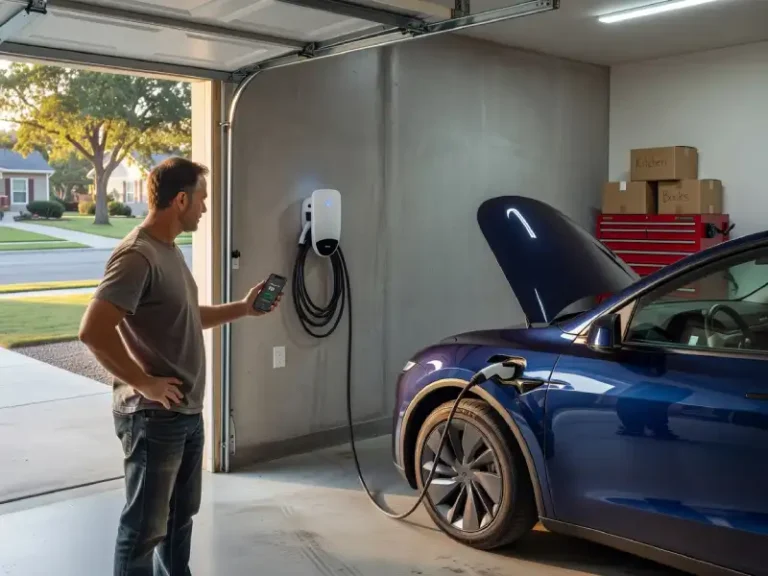
3. Charge overnight at home using a Level 2 charger to keep temperatures low.
4. Notice the peace of mind that comes from automated battery management.

Once you see that a simple, polite limit on your daily charge doesn’t cause the range loss you feared, you’ll gain the confidence to drive without range anxiety. It’s about building evidence that modern thermal management systems make battery ownership safe and worry-free.
Are You Worried About EV Battery Replacement Costs?
“My garage used to be a source of stress because I thought my battery would degrade to zero after a few years. In reality, after 100,000 miles, my pack still has over 90% of its original capacity. Learning to set my daily limit to 80% was terrifying at first, but it allowed me to enjoy my car so much more. It’s incredibly reliable.”

3. Passive Thermal Management Creates The Space For Long-Term Durability.
Protecting your battery isn’t about avoiding driving; it’s about managing extreme conditions. It’s an act of strategic care. A healthy battery environment is always a priority over fast charging convenience, and it’s your job to make sure your charging habits align with your vehicle’s cooling systems.
Parking in the shade on hot summer days is a ‘yes’ to keeping battery temperatures stable.
Pre-conditioning your battery before fast charging is a ‘yes’ to faster speeds and less stress.
Avoiding DC fast chargers for your daily commute is a ‘yes’ to preserving your pack’s health.
Want a simple rule? Treat your battery’s state of charge like a valuable resource. That’s how you build a driving experience based on long-term value, not on the outdated myths of early battery technology.