EV vs. Hybrid: How to Choose the Right Powertrain for Your Lifestyle

Your car shopping journey can feel like a frantic juggling act—shifting between electric range specs, hybrid fuel economy numbers, and your actual daily driving needs—only to end up feeling overwhelmed by the choices. The problem isn’t that you don’t have enough options. It’s that you’re trying to make a major lifestyle decision based on hype instead of your actual daily routine. The result is the same: you feel behind before you even buy, carrying a state of indecision that ruins the excitement of getting a new car.
The fix isn’t a complicated, hours-long spreadsheet—it’s a simple, consistent comparison. When you dedicate just a few minutes of your day to grounding your choice in your actual driving habits, you set a calm, focused path that allows you to navigate the dealership with total clarity of mind.
The Many Ways An Informed Powertrain Choice Reduces Decision Fatigue And Boosts Satisfaction.
Your willpower and decision-making ability are finite resources that deplete throughout the car-buying process. When you shop without a clear plan, you immediately start draining that energy on small, trivial options and trim levels. A simple, structured comparison automates your first big decision, preserving your best mental energy for the details that truly matter.
Think of your new car purchase like setting the rudder of a ship before you leave the harbor. When you set a clear direction in the calm of comparison, you’re far more likely to stay on course, even when the high-pressure sales pitch starts.
Below are three simple “pillars” for making a powertrain choice that sticks: starting without dealership pressure, evaluating your home charging setup, and setting a single, clear financial goal for the purchase.

1. Begin Your Search With Lifestyle, Not Tech Distraction.
The single most powerful change you can make is to not look at public charging networks for at least the first 15 minutes of your search. When you immediately check public charger maps, you are allowing infrastructure worries and anxieties to become your own. Guarding your first few moments of research is the easiest way to start your car-buying journey from a place of peace and control.
“When you grab your phone to look at public chargers first thing, you are training your brain to expect range anxiety. You’re starting a race from someone else’s starting line. A successful purchase begins with a moment of stillness in your own garage.”
Elena Vance
Try keeping your research away from public charging maps entirely. Use a traditional paper map of your daily commute if you need to. This small bit of friction makes it easier to resist the urge to worry about public chargers and instead focus on how you actually drive.
2. Evaluate Your Home Charging Access Before You Commit.
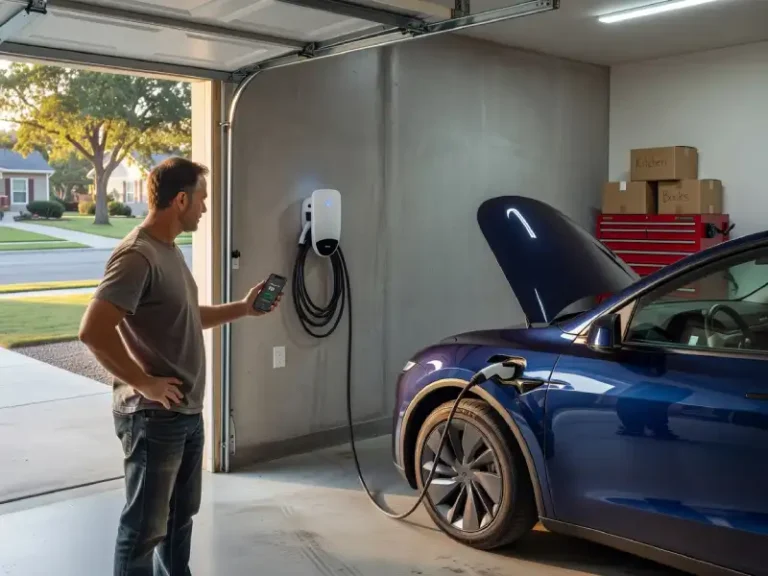
Your home’s electrical setup is the foundation of EV ownership. Buying a fully electric vehicle without a way to charge it at home can lead to frustration and a spike in costs. The most useful approach is to evaluate your home and gently match your vehicle to your living space, which provides a more stable and lasting form of daily convenience.
1. Check your garage or driveway for access to a 240V outlet.
2. Do 5-10 minutes of research on local utility EV rates.
3. Try to get a quote from an electrician to help regulate your installation costs.
4. Delay your final vehicle choice for at least 48 hours after getting installation quotes.
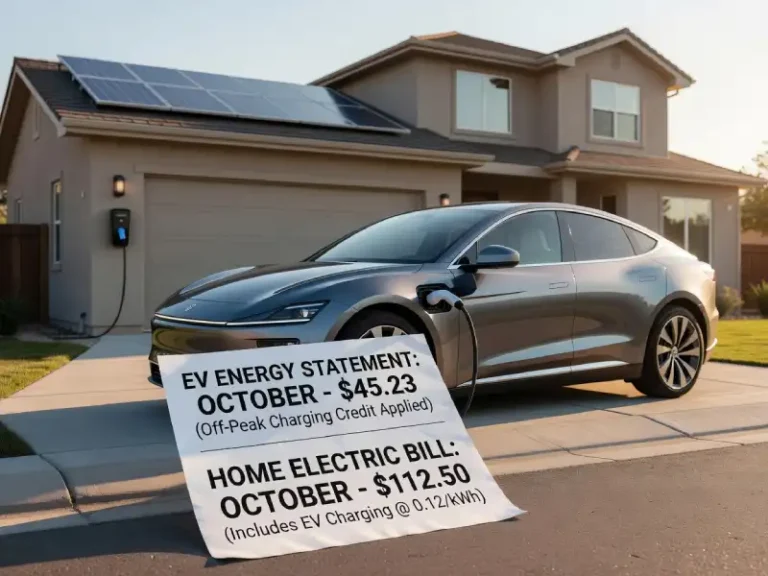
Once you start giving your vehicle what it actually needs in the garage—steady, cheap overnight power—you’ll find your daily driving costs are far more consistent. You’ll rely less on public fast chargers and more on your home’s natural, low-cost utility rates.
Are Your Car Research Mornings A Chaotic Mess?
“I used to wake up and immediately scroll through EV forums and hybrid reviews, which would put me in a terrible mood. I started keeping my research offline and just spending five minutes assessing my actual daily commute instead. It was a tiny change, but I finally feel like I’m in charge of my next car purchase.”

3. Set One Clear Financial Intention To Guide Your Purchase.
A successful purchase isn’t about getting every option. It’s about securing the most important vehicle features before you get pulled into the dealership’s upgrade cycle. Committing to a single, most important priority for the car is a simple act of prioritization that creates a focus point that prevents you from getting lost in the options list.

Before checking dealer inventory, ask: “What is the one thing that will make this car a success?”
Write that one thing down on a sticky note and place it where you can see it.
This provides a compass for your dealership visit, helping you make better decisions about how to spend your time and money.
Want a simple rule? Start with your home charging setup, not the dealership. That’s how you build a purchase plan that you control, rather than one that controls you.