Winter Driving Tips Every Motorist Should Know: 6 Ways to Prepare Your Vehicle and Stay Safe
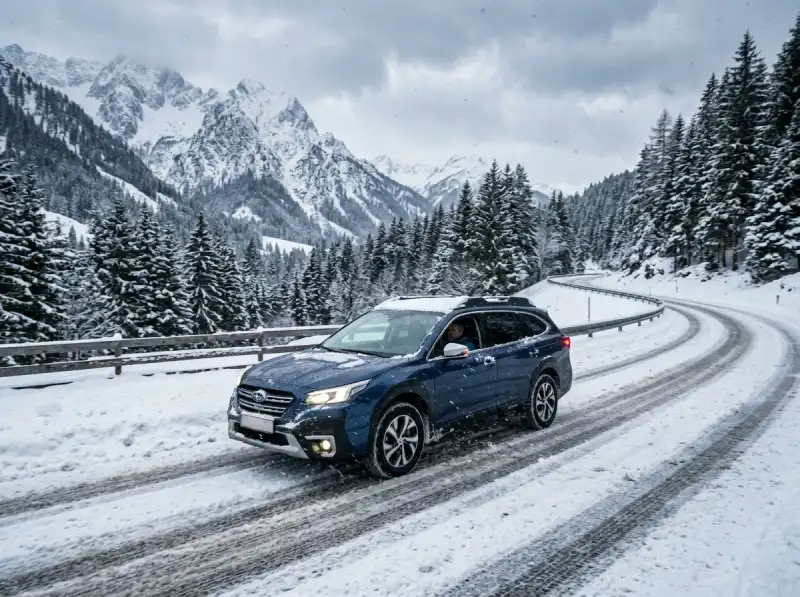
From investing in winter tires to carrying emergency gear, we do everything possible to prepare our vehicles for cold-weather travel. Yet many of us head out onto icy roads with compromised visibility, low tire pressure, or empty fuel tanks, completely overlooking how extreme winter weather impacts vehicle performance. The truth is, how you prepare your car and adjust your driving habits is often the single most important factor in avoiding a dangerous winter roadside emergency.
That’s where a systematic “winter readiness” plan comes in. It’s the simplest, most effective way to ensure your vehicle is mechanically sound and your driving habits are adjusted for freezing conditions. Taking a proactive approach to winter maintenance helps you minimize cold-weather breakdowns and maximizes traction—helping you navigate snow, sleet, and ice with complete confidence.
We spoke with seasoned automotive technicians and professional driving instructors to discover the most effective tips and habits for boosting your vehicle’s winter performance and ensuring you arrive safely at your destination.
1. Check Your Battery and Keep It Fully Charged
One of the most common sources of winter breakdowns is a dead battery. Freezing temperatures drastically reduce a battery’s cranking power, while simultaneously requiring more energy from your engine to start. Leaving your car exposed to sub-zero temperatures overnight can leave you stranded with an engine that refuses to turn over.
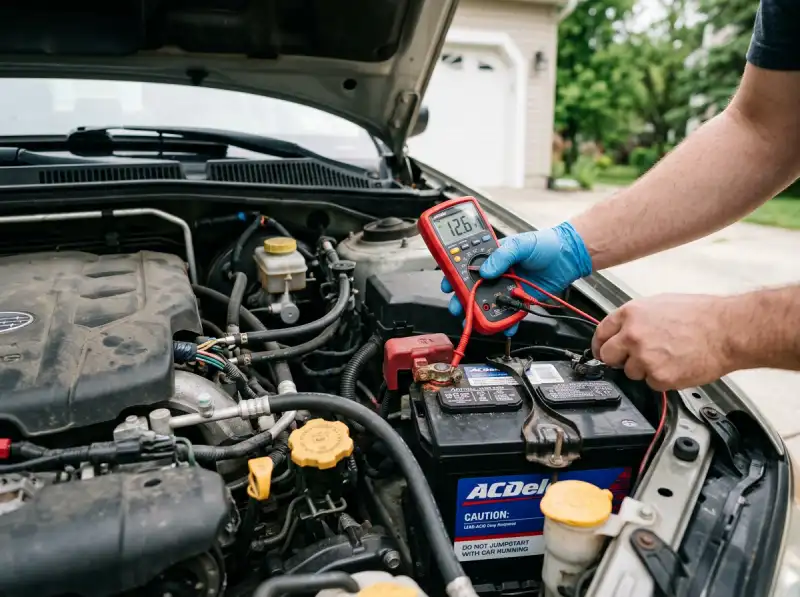
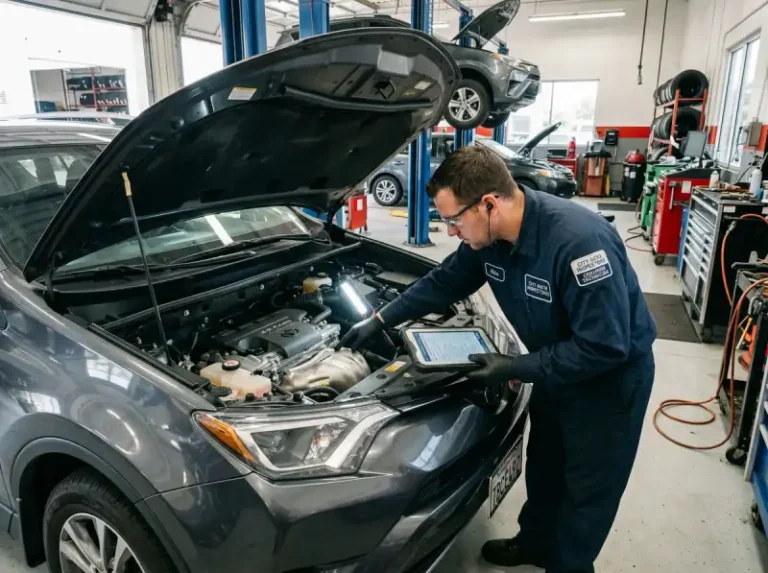
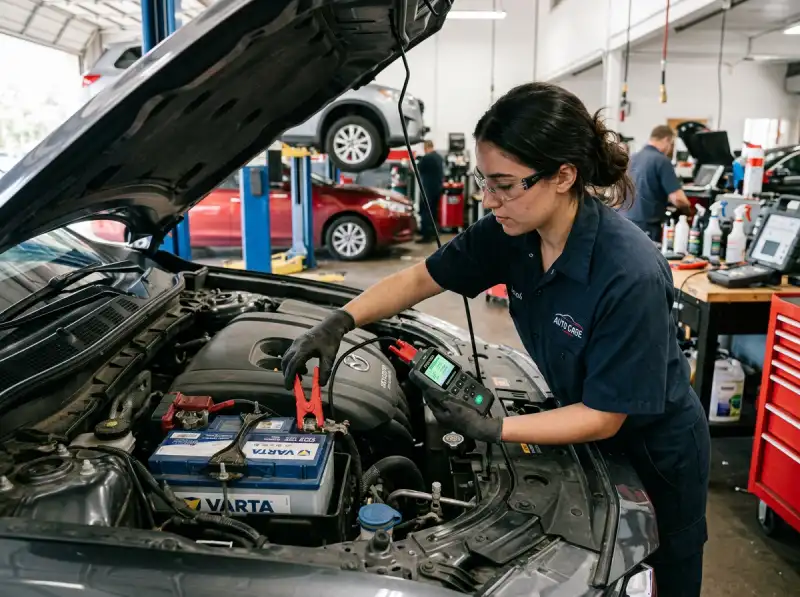
For anyone dealing with freezing temperatures, a quick battery check before the season starts can prevent a major headache. Have a mechanic test your battery’s charge capacity and inspect the terminals for corrosion. Keeping your vehicle garaged when possible, or using a battery tender, will dramatically extend its lifespan and ensure reliable starting power on the coldest mornings.
2. Maintain Proper Tire Pressure and Tread Depth
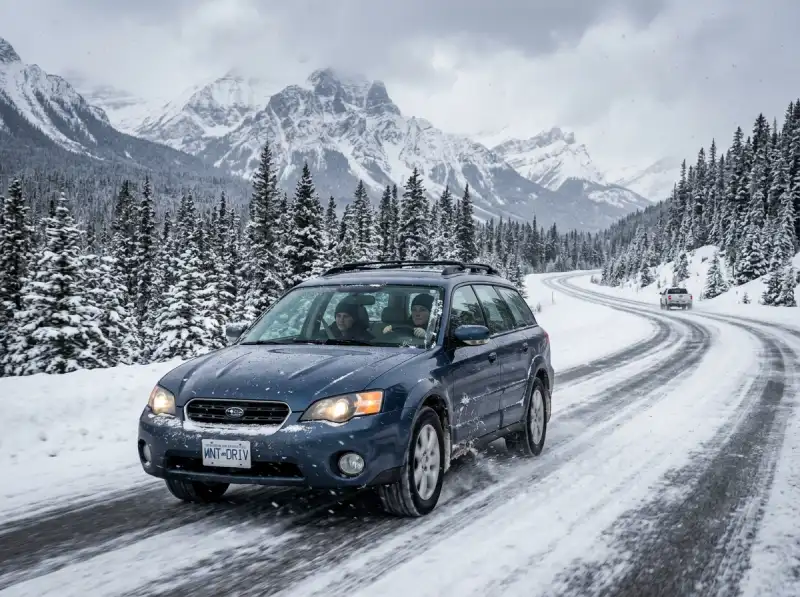
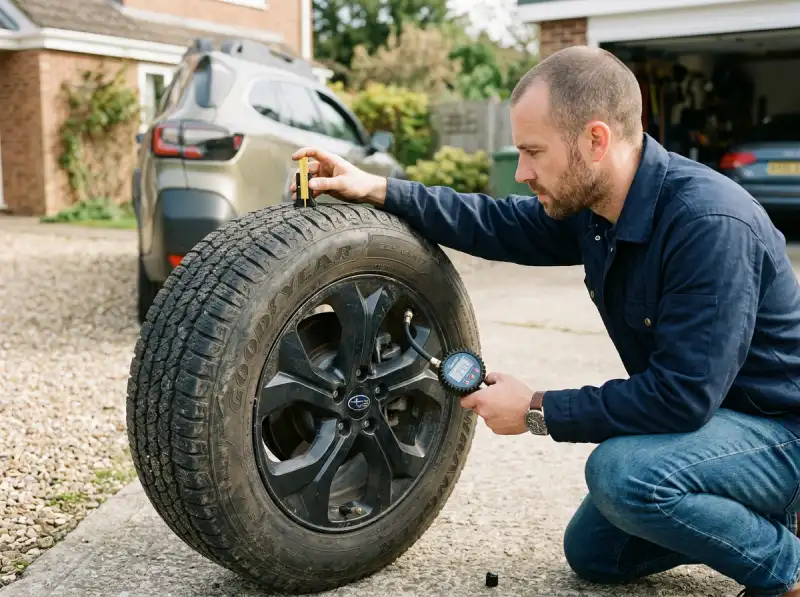
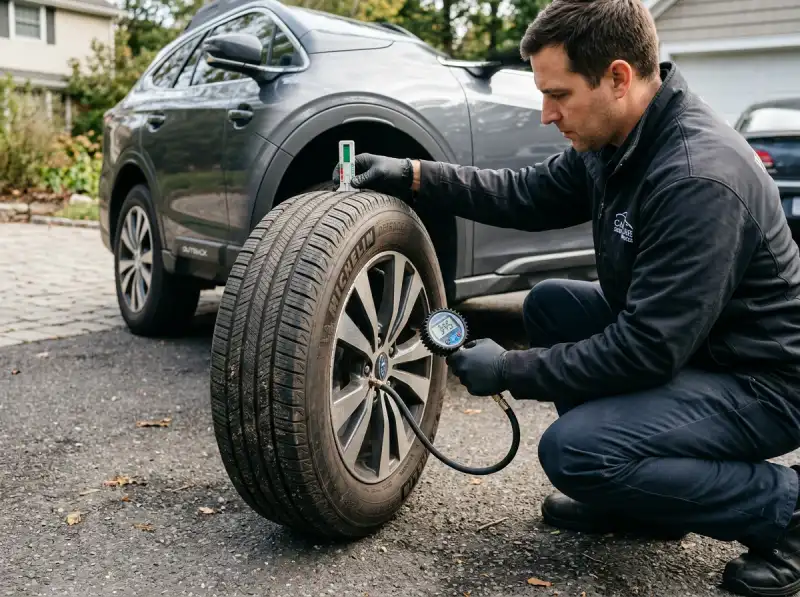
Relying on worn-out summer or all-season tires on snow-covered roads is an incredibly dangerous risk. Cold air causes tire pressure to drop significantly, compromising your vehicle’s handling and leaving you vulnerable to sudden skids.
Checking your tire pressure weekly during winter ensures optimal contact with the road. Additionally, ensure your tires have adequate tread depth—ideally at least 4/32 of an inch—to effectively channel snow, slush, and water away from the rubber.
“Drivers who struggle with poor traction on icy roads often see an immediate difference when they switch to dedicated winter tires. The specialized rubber compound remains flexible in freezing temperatures, allowing your brakes to work far more effectively,”
Marcus Vance.
3. Keep Your Windshield Clear and Fluid Full
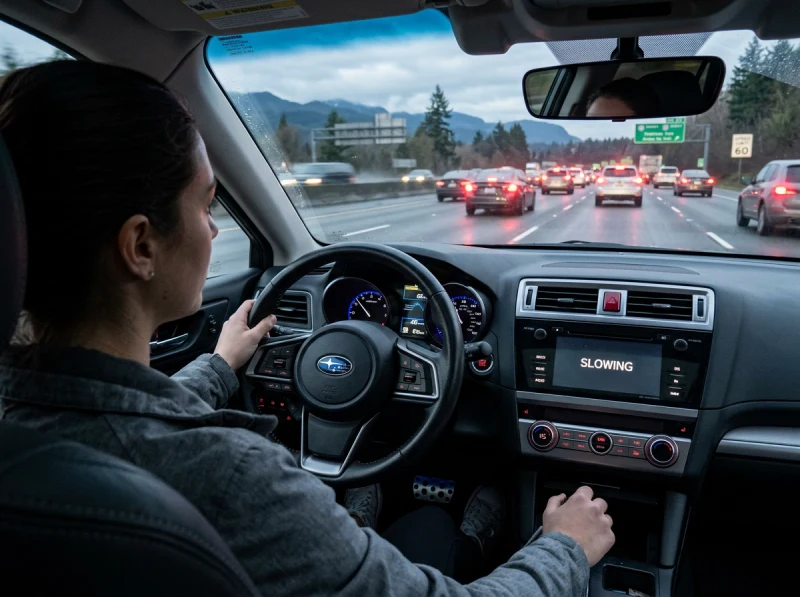
Visibility is crucial for winter driving, yet frozen windshields and salt spray can quickly blind you. Standard washer fluid can freeze on contact with your glass, creating a dangerous sheet of ice across your field of vision.
Switching to a winter-grade washer fluid formulated with antifreeze prevents ice buildup on your windshield and wiper blades. Keep your reservoir completely topped off and follow these simple steps to maintain maximum visibility:
1. Replace worn-out wiper blades with heavy-duty winter blades designed to clear heavy snow.
2. Use a plastic ice scraper and brush to completely clear all snow from your hood, roof, and lights.
3. Turn on your defroster early to warm up the glass before attempting to scrape stubborn ice away.
4. Avoid using hot water to clear your windshield, as the extreme temperature change can crack the glass.
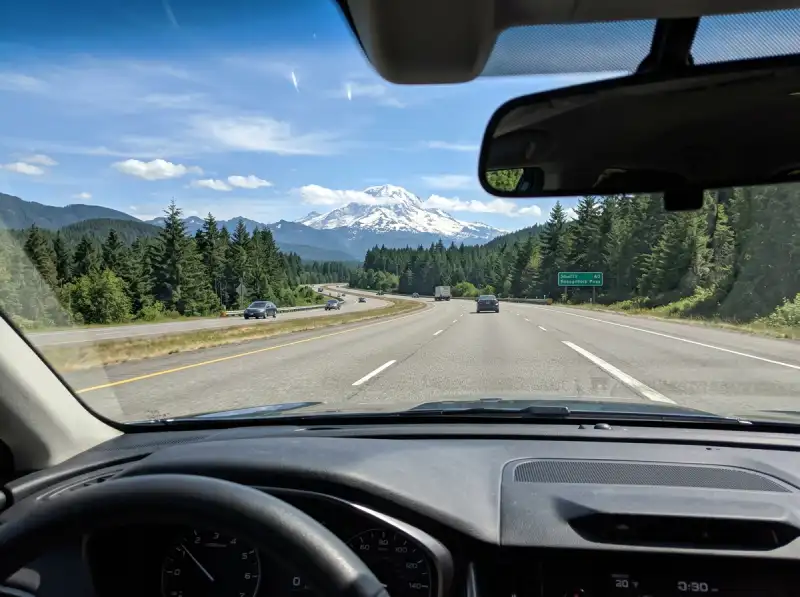
By maintaining a clear view of the road, you are giving yourself the best possible chance to react to sudden hazards. This simple routine prevents dangerous blind spots and ensures your vehicle’s safety sensors and cameras remain free of ice and snow blockages.
Do You Know How to Recover From a Slide on Icy Roads?
I used to panic and slam on my brakes whenever my car started to slide on winter patches. But learning to steer gently into the skid without touching the brakes completely changed how I handle winter emergencies. It keeps the vehicle stable and helps you regain control safely.

4. Increase Your Following Distance and Slow Down
Slippery roads drastically increase your stopping distance. Tailgating or driving at normal highway speeds on packed snow makes it nearly impossible to stop safely in an emergency, leading to avoidable rear-end collisions.
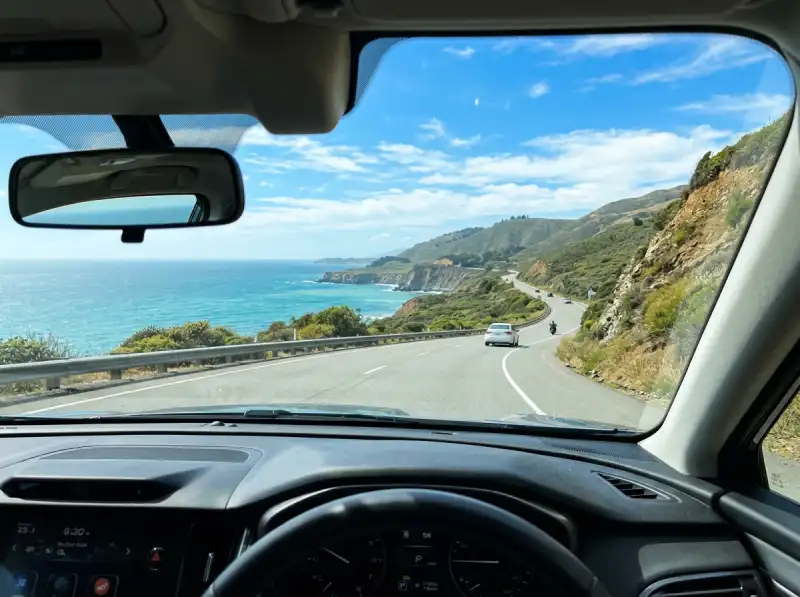
Double Your Distance: Increase your following distance to at least eight to ten seconds behind the vehicle in front of you.
Avoid Sudden Actions: Apply gas and brakes slowly to maintain traction and prevent your wheels from spinning or locking up.
Stay Off Cruise Control: Never use cruise control on wet, icy, or snow-covered roads, as it can cause you to lose control during a skid.
5. Keep Your Fuel Tank At Least Half Full
Running on empty is a dangerous gamble during winter weather. Condensation can form in the empty space of your gas tank, sinking to the bottom and freezing in your fuel lines, which can prevent your engine from starting.
Keeping your gas tank at least half full throughout the winter months prevents fuel line freeze-ups. It also ensures that if you do become stranded or stuck in a winter storm, you will have enough fuel to run your engine and heater to stay warm.
6. Pack a Winter Emergency Survival Kit
Just as you prepare your vehicle mechanically, you must prepare for the possibility of being stranded. A sudden blizzard or highway closure can leave you stuck on the roadside for hours waiting for emergency services.
Equip your trunk with a winter survival kit containing blankets, extra warm clothing, a flashlight, bottled water, non-perishable snacks, a small shovel, and a bag of sand or kitty litter to help your tires gain traction if you get stuck in a snowbank.
When Should You Prepare Your Vehicle for Winter?
Most automotive experts recommend preparing your vehicle for cold weather before the first freeze of the season. This gives you plenty of time to address any mechanical issues before road conditions deteriorate.
Your vehicle’s mechanical readiness is only half the battle. By adjusting your driving habits and staying alert to changing weather forecasts, you create a much safer environment for yourself and others on the road.
With consistent care and preparation, you can navigate winter roads safely and arrive at your destination without incident—proving that the ultimate winter defense starts long before you turn the key.
By taking these proactive steps, you can face the coldest months of the year with complete peace of mind, knowing your vehicle is fully equipped to handle whatever winter throws your way.