6 Ways to Improve Your Fuel Economy
Fuel prices may fluctuate throughout the year, but improving your vehicle’s fuel economy is one of the easiest ways to reduce running costs without buying a new car. Small changes to the way you drive and maintain your vehicle can have a surprisingly large impact over time.
Whether you drive short journeys around town or regularly cover hundreds of motorway miles each week, improving efficiency doesn’t have to mean sacrificing comfort or performance. Many drivers unknowingly waste fuel every day through habits that are easy to correct.
This guide explains six practical ways to improve your fuel economy, helping you travel further on every tank while reducing wear on your vehicle and lowering emissions.
1. Maintain Correct Tyre Pressure
One of the simplest ways to improve fuel economy is ensuring your tyres are inflated to the manufacturer’s recommended pressure. Underinflated tyres create more rolling resistance, forcing your engine to work harder and consume more fuel.
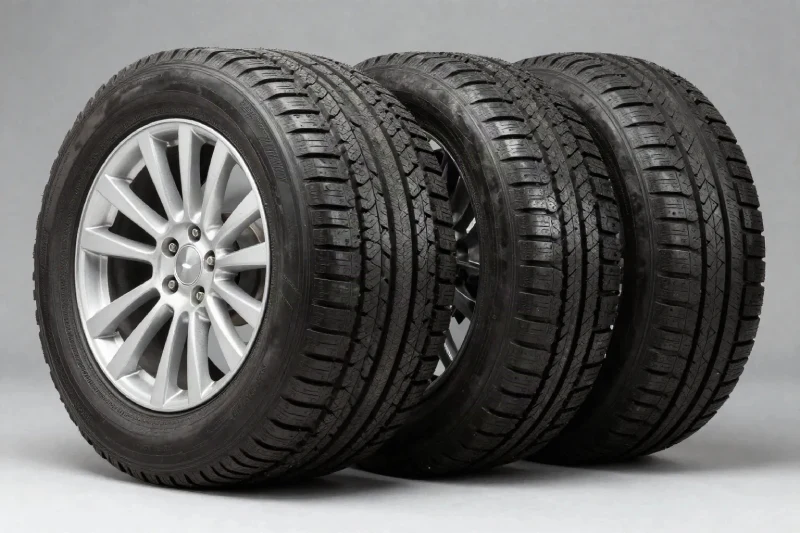
Tyre pressure naturally decreases over time, particularly during colder months. Checking your tyres once every few weeks only takes a few minutes and can improve efficiency while also extending tyre life and improving handling.
For many drivers, this is one of the easiest maintenance checks that delivers noticeable long-term savings.
2. Drive Smoothly And Avoid Sudden Acceleration
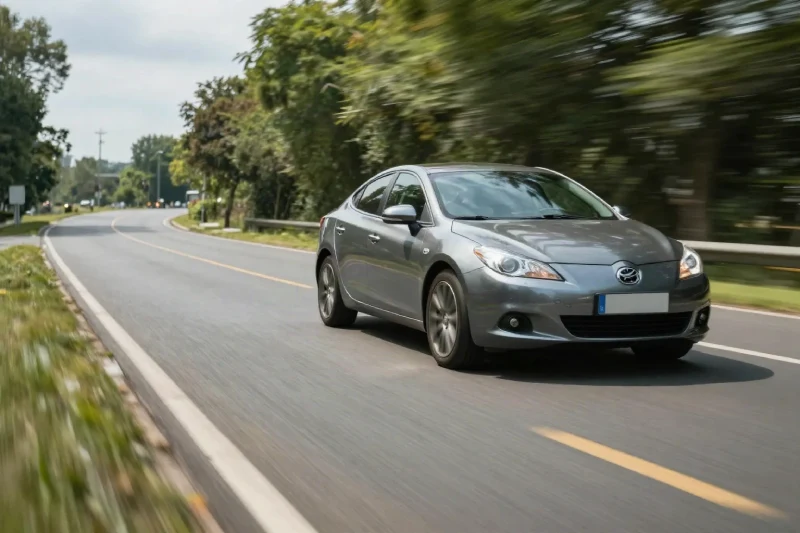
Rapid acceleration and harsh braking waste fuel because your engine must repeatedly work harder to regain lost speed. Anticipating traffic ahead allows you to maintain a smoother pace and reduces unnecessary changes in speed.
Maintaining momentum wherever it is safe to do so places less strain on both your engine and braking system while improving overall efficiency.
Drive smoothly, look further ahead and let the vehicle maintain its momentum whenever possible.
James Carter

3. Reduce Unnecessary Vehicle Weight
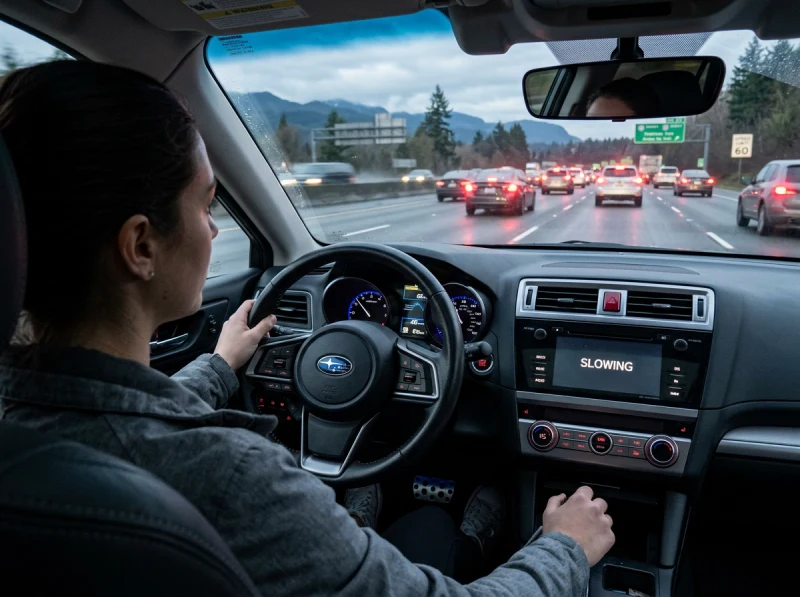
Every additional kilogram your vehicle carries requires extra energy to move. Many drivers unknowingly carry heavy tools, sports equipment or roof racks that are rarely used.
Removing unnecessary weight won’t transform your fuel economy overnight, but it contributes to greater efficiency over thousands of miles. Simple changes include:
1. Empty your boot regularly.
Remove heavy items that are no longer needed for everyday driving.
2. Remove unused roof racks or roof boxes.
These increase aerodynamic drag even when empty.
3. Avoid carrying excess fuel or fluids.
Only transport what is required for your journey.
4. Pack efficiently for longer trips.
Distribute luggage evenly and avoid carrying duplicate equipment.
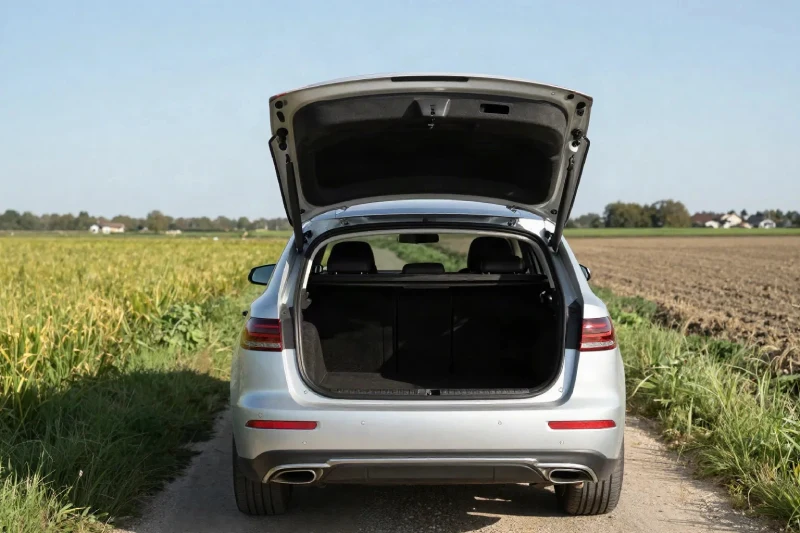
Reducing weight and improving aerodynamics often work together. Even something as simple as removing a roof box after a holiday can noticeably reduce fuel consumption during motorway driving.
Are You Paying More For Fuel Than You Need To?
Many drivers focus on fuel prices but overlook the everyday habits that affect consumption. A few small improvements to driving style and vehicle maintenance can save considerably more over the course of a year than chasing the cheapest fuel station.

4. Keep Your Engine Properly Serviced
Many overnight hair serums are infused with oils and proteins that reinforce hair fibers. These ingredients help fortify weak areas and improve overall elasticity while you sleep.
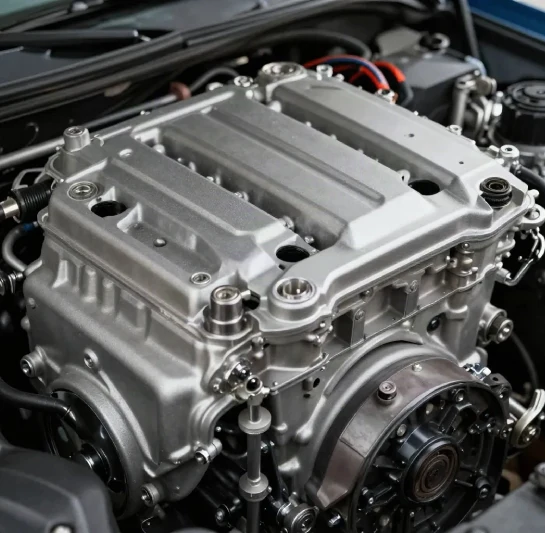
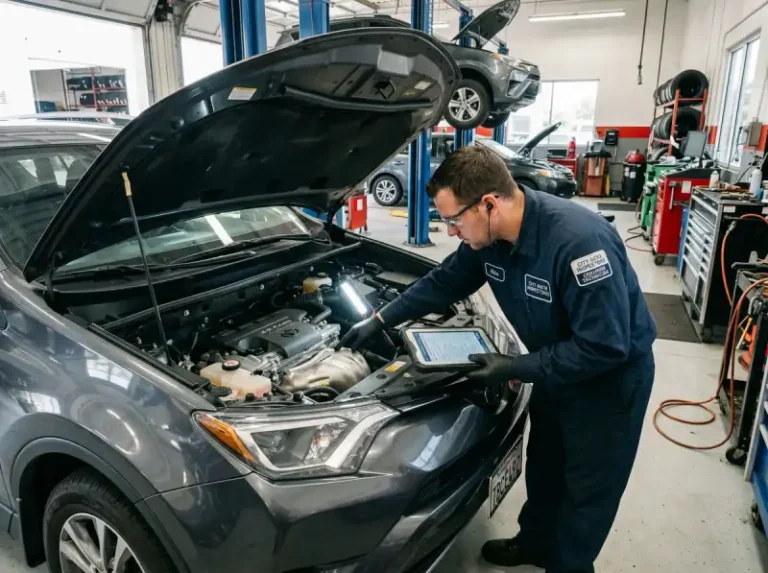
A well-maintained engine operates more efficiently and wastes less fuel. Dirty air filters, worn spark plugs and overdue servicing can all increase fuel consumption without producing obvious warning signs.
Following your manufacturer’s recommended service schedule helps your vehicle perform at its best while improving long-term reliability.
Regular oil changes, clean filters and correctly functioning sensors all contribute to better fuel efficiency.
5. Plan Journeys More Efficiently
Short journeys from a cold engine typically consume far more fuel than longer trips where the engine has reached its normal operating temperature.
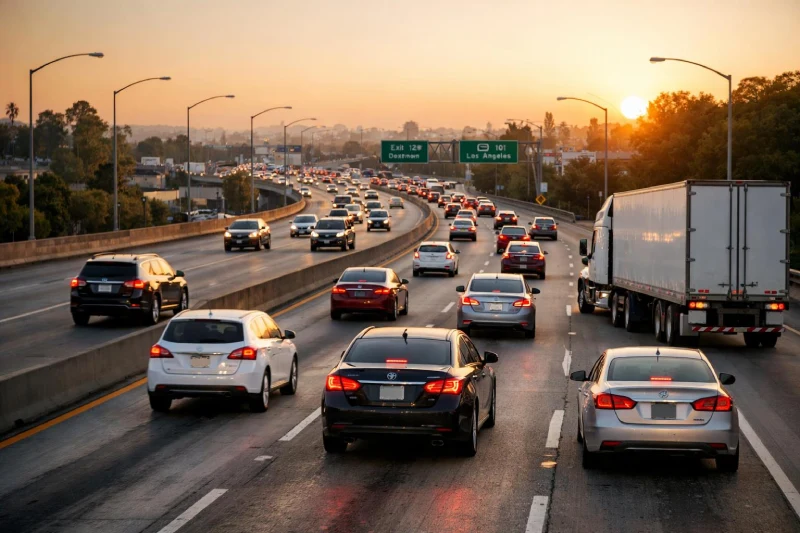
Whenever practical, combine multiple errands into a single journey and avoid heavily congested routes where constant stopping and starting significantly increases consumption.
Navigation apps that provide live traffic updates can also help reduce unnecessary idling.
6. Use Cruise Control On Longer Journeys
Cruise control helps maintain a consistent speed, particularly on motorways where frequent changes in throttle position reduce efficiency.
While it isn’t suitable for every road, maintaining a steady speed over long distances generally uses less fuel than constant manual acceleration and braking.
Combining cruise control with good anticipation of traffic conditions can further improve economy while making long journeys less tiring.
How To Get The Best Fuel Economy
Improving fuel economy doesn’t require expensive modifications or major lifestyle changes. Most savings come from building better habits behind the wheel and keeping your vehicle properly maintained.
Checking tyre pressures, driving more smoothly, reducing unnecessary weight and servicing your car regularly are all simple steps that gradually add up to meaningful savings throughout the year.
The greatest improvements usually come from combining several of these techniques rather than relying on a single change. Drivers who consistently adopt efficient driving habits often notice reduced fuel bills, lower maintenance costs and a more relaxed driving experience.
With fuel prices remaining unpredictable, improving your vehicle’s efficiency is one of the smartest investments you can make. A little extra attention before and during each journey can help every tank of fuel take you that little bit further.