What to Do After a Car Accident: 6 Steps to Protect Your Safety and Your Legal Rights
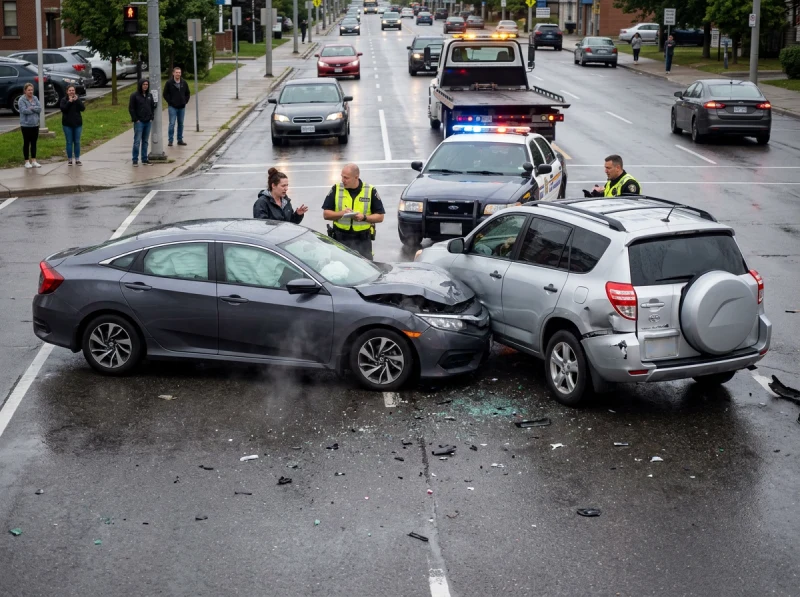
From ensuring immediate physical safety on the side of the road to gathering critical documentation under intense pressure, we do everything possible to protect our interests after a collision. Yet many of us wind up with compromised claims, lost recovery options, or long-term injuries because we overlook key steps in the chaotic moments following a crash. The truth is, how you handle the immediate aftermath of an accident is often just as critical as the medical treatment or legal representation you seek in the weeks that follow.
That’s where a systematic “post-accident checklist” comes in. It’s the single most effective way to ensure your physical safety is prioritized, your legal rights are preserved, and your insurance claim is fully supported. Having a clear plan of action helps you minimize immediate danger and maximize your chances of a fair resolution—helping you navigate a highly stressful situation with confidence and clarity.
We spoke with seasoned personal injury attorneys and emergency responders to discover the most effective, practical steps you can take on the scene and in the days that follow to protect your health, your vehicle, and your financial recovery.
1. Prioritize Safety and Check for Injuries
One of the most critical sources of secondary damage after a collision is a secondary accident. Vehicles left sitting in active lanes of traffic can trigger chain-reaction crashes, leading to severe injuries that could have been avoided. Your absolute priority must be moving to a safe location and checking everyone involved for immediate medical needs.
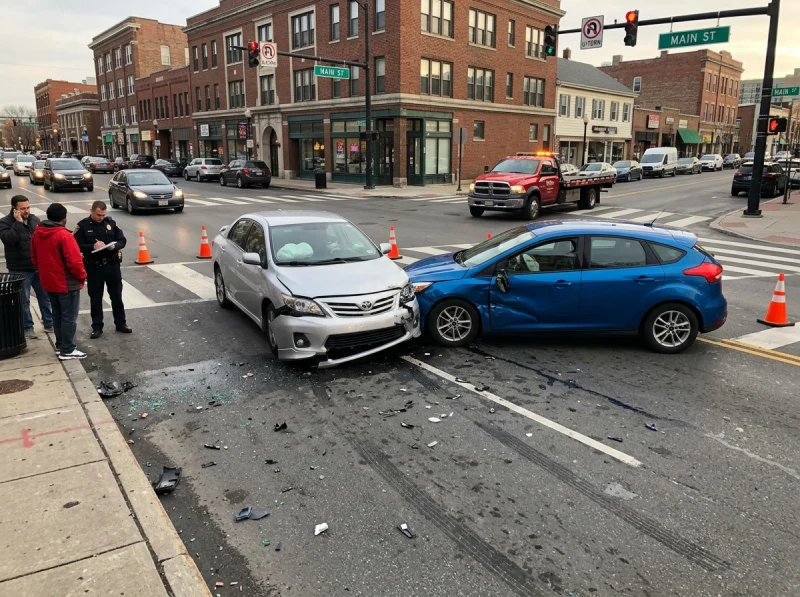
For anyone dealing with the shock of a crash, the rush of adrenaline can mask severe pain. Before doing anything else, take a deep breath and assess yourself and your passengers for injuries. If the vehicles are drivable and it is safe to do so, carefully pull over to the shoulder or a nearby parking lot to get out of the flow of traffic, and immediately turn on your hazard lights.

2. Contact Law Enforcement to Document the Scene
Relying on a casual “handshake agreement” with another driver to settle damages privately is a massive risk. Without an official police report, you are leaving your financial protection entirely up to a stranger’s honesty, which often vanishes once they leave the scene.
Calling local law enforcement ensures that an objective, third-party officer documents the details of the crash. This official police report serves as the foundational pillar of your insurance claim, establishing the date, time, weather conditions, and initial determinations of fault.
“Drivers who attempt to settle accidents without a police report often face a nightmare of conflicting stories later. Having an official officer on the scene to document the facts is the single best way to protect your liability,” says traffic safety expert Marcus Vance.
Joanna Vargas


3. Exchange Vital Information and Gather Evidence
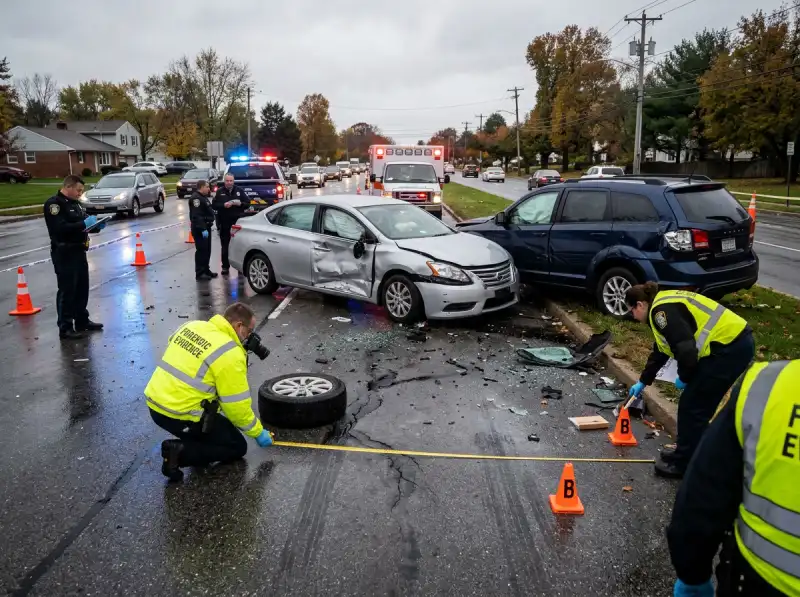
Exposure to liability risks increases dramatically when you fail to gather comprehensive details at the scene. You cannot rely on memory alone; the chaos of an accident makes it easy to forget crucial details that are essential for filing a successful claim.
Ensuring your documentation is complete is key to a smooth claims process. Use your smartphone to capture everything systematically:
1. Write down the other driver’s full name, contact details, and driver’s license number.
2. Photograph the other vehicle’s license plate, make, model, and insurance card.
3. Take wide shots of the entire scene, including skid marks, traffic signs, and road conditions.
4. Collect the names and phone numbers of any witnesses who saw the crash occur.

By creating a thorough record of the scene, you are giving your insurance provider the best possible evidence to resolve your claim quickly. This visual evidence makes it incredibly difficult for the other party’s insurer to dispute the facts of the accident, ensuring you aren’t left paying out-of-pocket for damages you didn’t cause.
Did You Know Whiplash Symptoms Can Take Days to Appear?
I used to think that if I didn’t feel pain immediately after a fender bender, I was completely fine. But after a minor rear-end collision, my neck stiffness didn’t set in until three days later. Getting evaluated by a doctor right away is crucial for both your health and your insurance claim.

4. Seek Medical Attention Immediately
Adrenaline plays a powerful trick on your body after a collision. Shock can mask symptoms of serious internal injuries, soft-tissue damage, and concussions, leading to delayed pain that can worsen significantly if left untreated.

Immediate Evaluation: Visiting an urgent care or emergency room ensures hidden injuries are diagnosed early.
Establishing a Paper Trail: Medical records directly link your injuries to the accident, preventing insurers from claiming your pain was pre-existing.
Protecting Your Health: Getting a professional medical assessment gives you peace of mind and a clear path to recovery.
5. Notify Your Insurance Provider
Just as you document the physical scene, you must document the financial aftermath of the crash. The financial impact of an accident extends far beyond vehicle repairs, including medical bills, rental car costs, and lost wages.
Create a dedicated physical folder or digital drive to store every receipt, medical bill, repair estimate, and communication record. Keeping this paperwork meticulously organized ensures you can account for every single dollar spent during your recovery process.
6. Keep Detailed Records of All Expenses
Just as stress affects your skin, it impacts your scalp and hair follicles. The calming environment of a sleep sanctuary—cool, dark, and quiet—helps regulate cortisol production.
Lower cortisol levels mean better blood flow to the scalp, delivering more nutrients to the hair follicles and promoting stronger, healthier growth over time.
How To Start Navigating Your Recovery
Start with the immediate essentials: filing your insurance claim and scheduling a comprehensive medical evaluation. From there, organize your documentation and begin obtaining repair estimates from certified mechanics.
Focus on maintaining a consistent record of your physical recovery and any ongoing vehicle issues, as these details will be vital if you need to consult with a legal professional later.
A successful recovery doesn’t happen by accident. By transforming your post-crash chaos into an organized, step-by-step process, you protect your physical health and secure the financial compensation you deserve.
With a structured plan in place, you can navigate the aftermath of a collision with confidence, knowing you have taken every necessary step to protect your future.