The Road Trip Readiness Guide: Why a Pre-Trip Inspection Is the Only Way to Ensure a Safe Journey
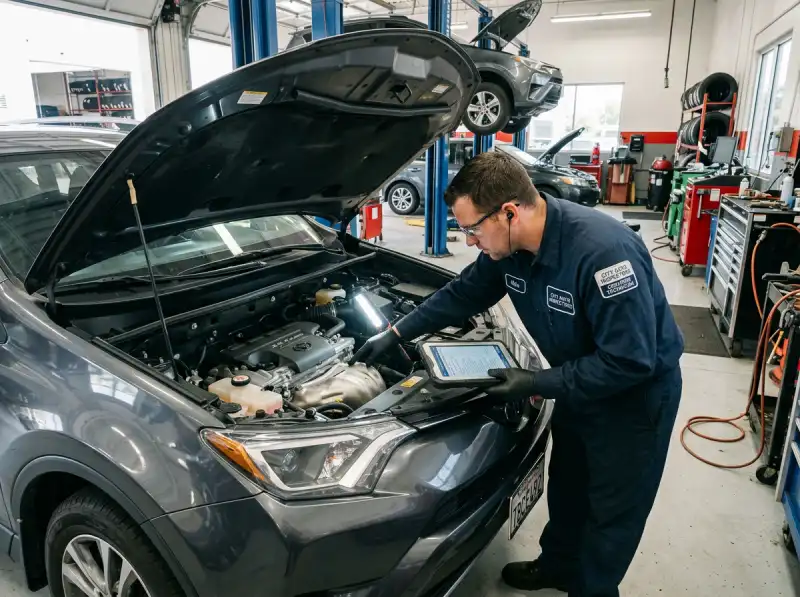
If your road trip preparation involves simply throwing bags in the trunk and plugging a destination into your GPS, you’re not alone. It feels like a logical approach to a busy life—focusing on the packing list and the itinerary while assuming your car is ready for the journey. But just like your health, your vehicle’s mechanical systems don’t operate on a wish and a prayer. The result of neglecting a pre-trip checkup is often roadside breakdowns, expensive towing fees, and a feeling that your vacation has been ruined before it even started.
The try-to-wing-it-on-maintenance method is a recipe for disaster. When you prioritize your vehicle’s health before you hit the highway, you protect your passengers, avoid costly emergency repairs, and enjoy a much smoother, stress-free driving experience.
The Many Ways A Comprehensive Pre-Trip Inspection Supports Long-Term Vehicle Reliability and Passenger Safety.
Your vehicle runs on a complex network of interconnected systems. This network governs everything from braking performance to engine cooling. An inconsistent maintenance history creates “silent wear”—silently degrading critical components and leaving your car vulnerable to sudden failures on high-speed highways. A single worn belt or low fluid reservoir is enough to disrupt this delicate balance, leaving you stranded on the side of the road for hours.
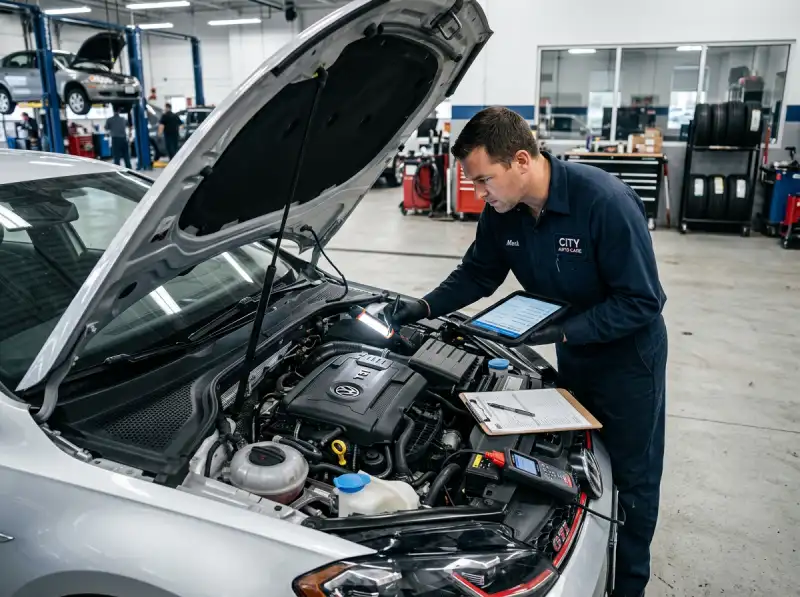
Think of your car’s maintenance schedule like a daily appointment with reliability. When you keep that appointment before a long journey, you get a clear picture of your vehicle’s health—and what potential issues you are actually preventing before they can escalate.
Below we show three critical areas of a pre-trip inspection: how they affect your safety, your vehicle’s fuel efficiency, and your peace of mind.
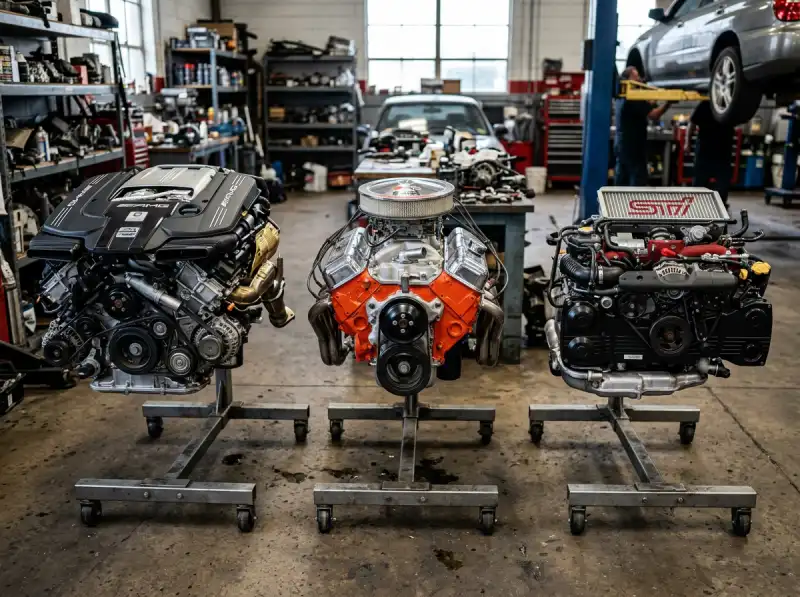
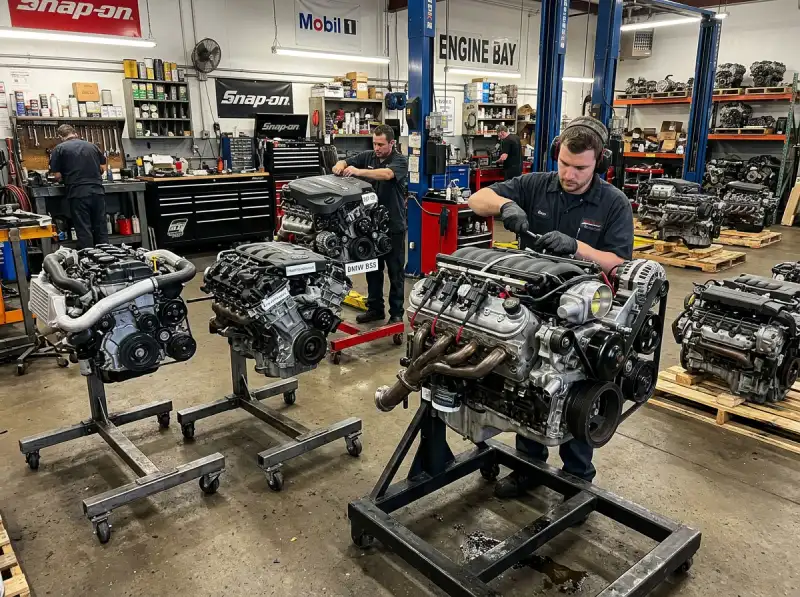
1. It Protects Your Engine Health More Than You Think.
An erratic maintenance schedule can impair your engine’s ability to regulate heat and circulate clean lubricants. Over a couple of days of high-speed highway driving, old engine oil can break down rapidly, creating friction and heat that accelerates wear on vital internal components. A consistent oil level and fresh filter are the easiest ways to keep this system in balance, even when your driving conditions become demanding.
“We see in service bays that vehicles with neglected fluids have higher rates of overheating and catastrophic engine failure, especially when subjected to the prolonged stress of long-distance summer travel. Fresh fluids are just as important as fuel.”
Marcus Vance
The most powerful anchor for your engine’s cooling system is your coolant level. Even if you are diligent with oil changes, try to get a professional to pressure-test your radiator cap and hoses before you leave. This stabilizes your engine’s operating temperature and prevents roadside overheating.
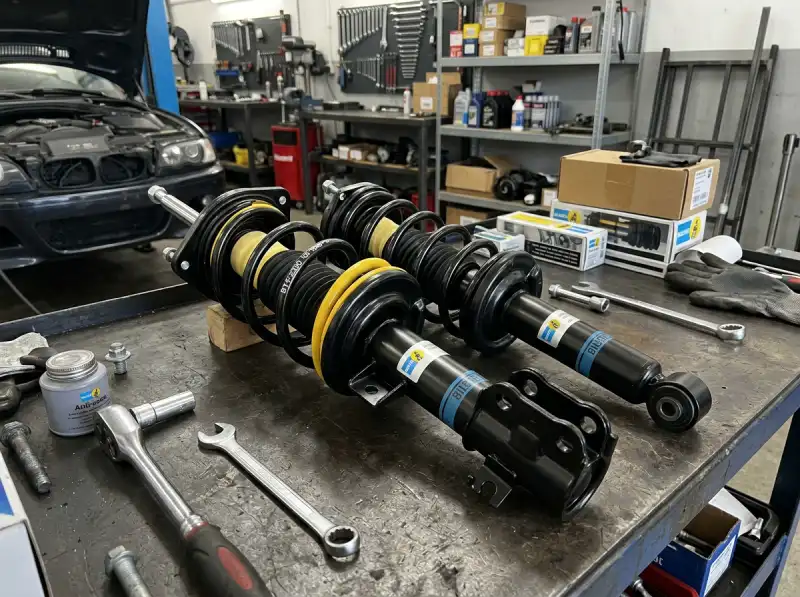
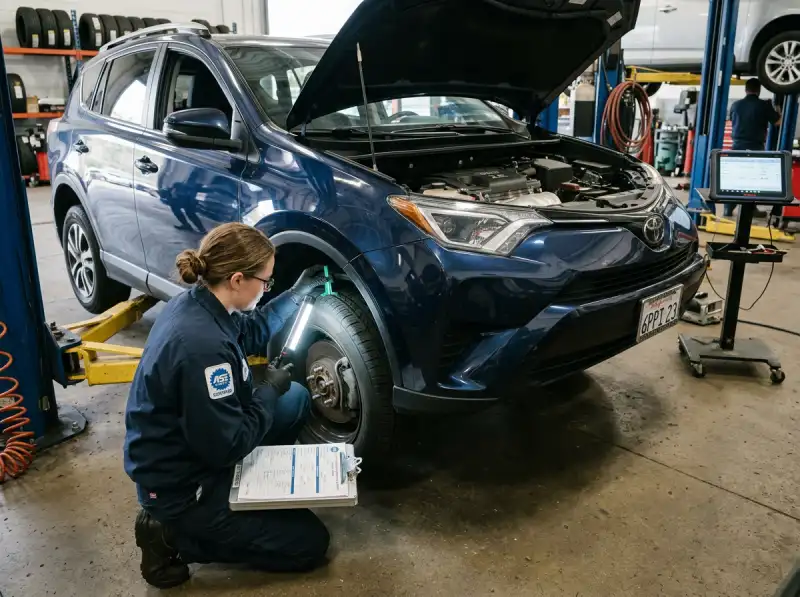
2. It Eliminates a ‘Fog’ of Handling Issues Beyond the Highway.
You might feel confident after checking your tire pressure, but your steering and suspension performance often tells a different story. Worn shock absorbers, misaligned wheels, and loose steering linkages can make your vehicle incredibly difficult to control during emergency maneuvers. The goal is stability, not just tire inflation, for a safe and controlled drive.
1. Check tread depth: Ensure your tires have at least 4/32″ of tread depth for wet-weather grip.
2. Inspect suspension parts: Look for leaking struts or worn bushings that cause unstable handling.
3. Verify wheel alignment: This prevents uneven tire wear and keeps your vehicle tracking straight.
4. Rotate your tires: Doing this before a long trip ensures even wear and maximizes tire lifespan.

Once you start stabilizing your vehicle’s suspension and tire health, you’ll notice your steering response becomes much more consistent throughout the drive, eliminating the dramatic highway drifts. Your driving confidence improves not just on the highway, but all weekend long.
Do You Rely On Last-Minute Vehicle Prep?
“I used to wait until the night before a road trip to check my car. I thought I was saving time, but I always felt anxious about potential breakdowns. Switching to a weekend-prior inspection routine was tough at first, but now I enjoy my trips with complete peace of mind all week long.”

3. It Secures Your Braking Power And Stopping Control.
Your braking system also influences how safely your vehicle can stop under heavy loads. When your brake pads are worn down, you are much more prone to fading brakes, noise, and increased stopping distances. A stable brake system foundation is crucial for maintaining control and keeping your family safe on steep descents.

Inspect brake pads and rotors: Aim for a pad thickness that allows for reliable stopping power throughout your journey.
Flush old brake fluid: If your fluid is dark, a quick flush at a local shop is far better than risking a spongy brake pedal.
Check the emergency brake: A properly adjusted parking brake ensures your vehicle stays secure when parked on steep inclines.
Start simple: Protect your travel plans. That’s how you move from a cycle of roadside anxiety to one of absolute confidence and well-being, seven days a week.